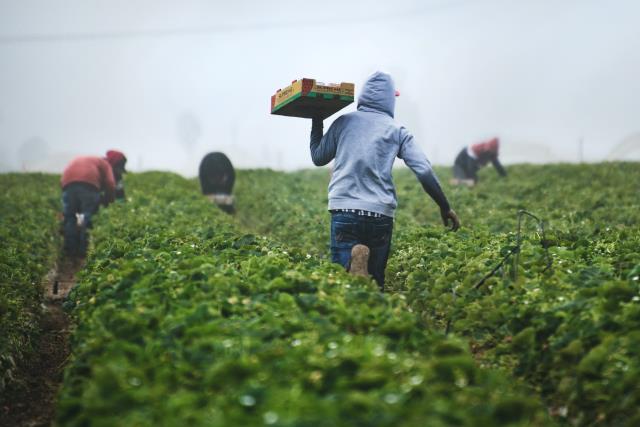
Farmers and agricultural experts are raising alarms over potential economic repercussions stemming from proposed cuts to immigration policies by the political party One Nation. If these measures are enacted, the consequences could include unpicked crops, diminished rural economies, and increased prices at supermarkets.
One Nation has outlined a platform that includes significant reductions in the number of working visas, potentially affecting hundreds of thousands of positions. Additionally, the party aims to deport tens of thousands of illegal migrants, a move that could further strain the agricultural sector.
Concerns Over Labor Shortages
The agricultural industry has been grappling with labor shortages for years, and experts warn that the proposed visa cuts could exacerbate this issue. According to a recent report from the Australian Bureau of Agricultural and Resource Economics and Sciences (ABARES), the agricultural sector relies heavily on seasonal workers, many of whom come from abroad. Without these workers, crops may go unharvested, leading to losses for farmers and impacting food supply chains.
John Smith, a representative from the National Farmers’ Federation, stated, “If we cannot secure the workforce we need, we risk losing entire harvests. This will not only hurt farmers but also lead to higher prices for consumers.” The potential for unpicked crops could lead to a significant increase in food prices, affecting households across the country.
Impact on Rural Communities
The implications of these policy changes extend beyond the fields. Rural communities, which often depend on agriculture as their primary economic driver, could face further decline. As farmers struggle to maintain their operations, the ripple effect could lead to job losses and reduced services in these areas.
Experts have noted that rural regions already experience economic challenges, and the loss of agricultural productivity may exacerbate these issues. Dr. Lisa Johnson, an economist specializing in rural development, emphasized the importance of a stable workforce for sustaining rural economies. “When farmers succeed, the whole community thrives. Cutting back on working visas jeopardizes this balance,” she explained.
As the debate continues, farmers are calling for a reconsideration of these proposed policies. They argue that a more balanced approach to immigration, which supports the agricultural sector while addressing broader immigration concerns, is necessary.
The economic stakes are high, and as the political landscape evolves, the voices of those in agriculture will be crucial in shaping policies that affect both the industry and consumers alike. With supermarket prices already fluctuating, the possibility of further increases looms large, prompting calls for immediate action and dialogue between policymakers and agricultural representatives.
In summary, the proposed visa cuts by One Nation could lead to severe consequences for farmers, rural communities, and consumers. As discussions progress, the need for a sustainable solution that supports both the agricultural workforce and economic stability remains critical.