



































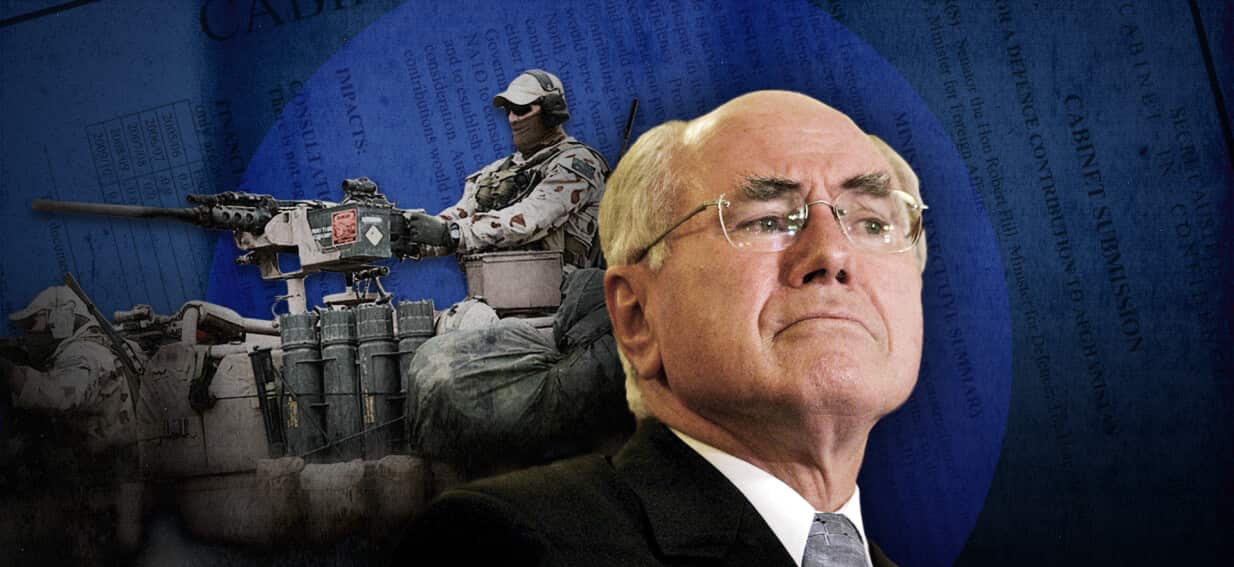
Declassified documents have revealed that the cabinet of former Australian Prime Minister John Howard was warned about the potential for casualties when deciding to send elite soldiers to Afghanistan in the early 2000s. The revelations come from a series of meetings that took place in 2001 and 2002, highlighting critical considerations that were ultimately overlooked in the push to deploy troops.
The documents, which include minutes from cabinet meetings and reports from the Defence Intelligence Organisation, indicate that senior officials raised concerns about the risks involved. Despite these warnings, the cabinet proceeded with plans to send Australian Special Forces to assist in the international effort against terrorism following the September 11 attacks.
Concerns Raised and Ignored
In the discussions, cabinet members were informed about the likelihood of casualties arising from combat operations. The reports also noted the challenges posed by the difficult terrain and the formidable opposition faced by coalition forces. Yet, the urgency to contribute to the global response overshadowed these warnings.
At the time, Australia positioned itself as a key ally of the United States, committing troops to Afghanistan as part of a broader coalition. The decision was framed within the context of national security, with the government emphasizing the need to support international efforts to combat terrorism.
The documents reveal a stark contrast between the perceived necessity of military intervention and the realistic assessments provided by military advisors. Many of these warnings have now resurfaced as public interest in the implications of the deployment has grown.
Impact of the Deployment and Lessons Learned
The decision to send troops has had lasting effects on both the military personnel involved and the broader geopolitical landscape. Since the deployment, Australian soldiers have faced numerous challenges, including intense combat situations, which have resulted in casualties and long-term psychological impacts for many veterans.
The release of these documents poses significant questions about the decision-making processes within the Australian government. Critics argue that the cabinet’s disregard for potential casualties illustrates a concerning trend of prioritizing political objectives over the well-being of servicemen and women.
As Australia reflects on its military engagements, the lessons drawn from this period may shape future policies regarding troop deployments and the assessment of risk in military operations. The accountability for such decisions remains a critical topic in discussions about military ethics and the responsibilities of government officials to their armed forces.
In light of these findings, the Australian government may need to reevaluate its approach to military involvement in overseas conflicts, ensuring that the safety and welfare of its personnel are given paramount importance in future decisions.
