



































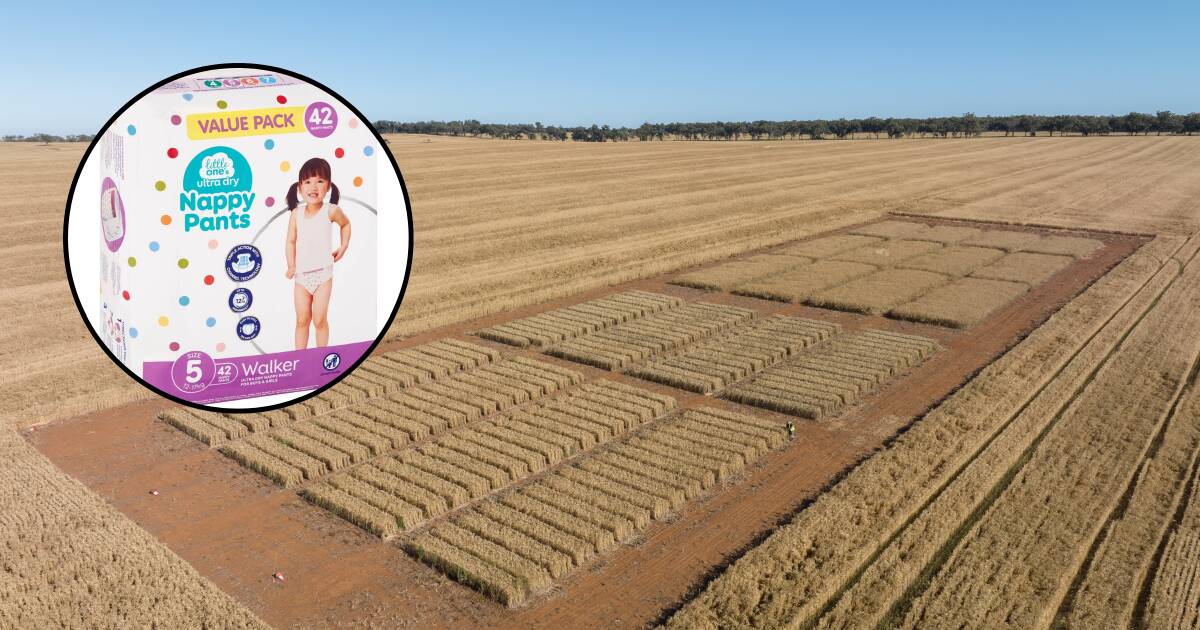
The Khapra beetle, recognized as a significant biosecurity threat by the Australian grains industry, has been discovered in imported nappy pants. The Department of Agriculture, Fisheries and Forestry (DAFF) announced the detection of the beetle’s larvae in New South Wales (NSW) on September 7, 2023. This pest is known to cause severe damage to stored grain, leading to losses of up to 75 percent due to direct feeding and contamination from cast skins and beetles, which can pose health risks.
The larvae were found in a specific product, Little One’s Ultra Dry Nappy Pants – Walker Size 5 (42 pack), sold nationally through Woolworths stores. DAFF officials have stated that they do not believe other brands or sizes of the affected product are at risk of contamination.
In response to this alarming discovery, DAFF has issued recommendations for consumers who may have purchased the affected nappy pants. They advise individuals to refrain from using the product if any signs of insect or pest activity are present. Instead, consumers should seal the product and its packaging in a bag to prevent any potential spread of pests and contact DAFF directly at 1800 798 636 or visit their website to report any concerns.
Colin Bettles, the Chief Executive of Grain Producers Australia, acknowledged the findings and indicated that his organization is currently evaluating its responsibilities in managing the situation under the Emergency Plant Pest Response Deed. Bettles, however, refrained from providing further comments at this time.
Australia has so far successfully kept the Khapra beetle out of its agricultural sector, a feat that stands in contrast to the significant damage it inflicts in regions such as subcontinental Asia. In 2020, a previous minor incursion occurred in NSW, also linked to non-agricultural goods, but was effectively controlled.
Both the importer and Woolworths are collaborating with DAFF to trace and treat all goods associated with the affected shipment to mitigate any ongoing biosecurity risks. The seriousness of this detection highlights the ongoing challenges faced by Australian biosecurity officials in protecting the nation’s agricultural industry from foreign pests.
