



































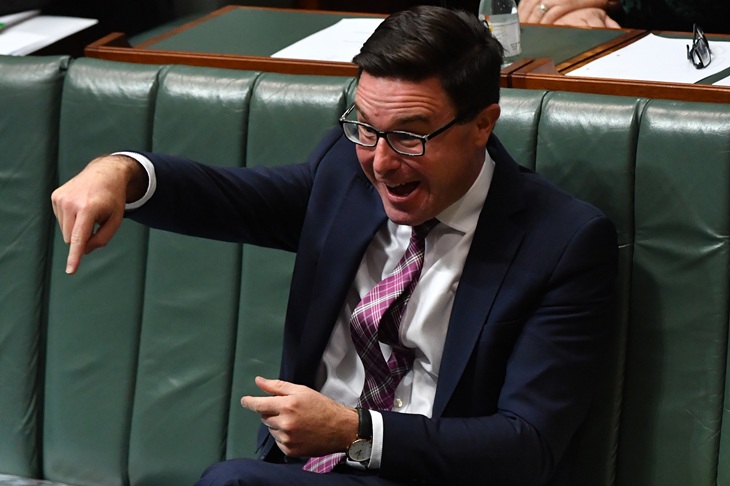
The future of the Coalition between the National Party and the Liberal Party appears uncertain as the National Party prepares to seek a revival of their partnership. Following a period of financial adjustments, the National Party is expected to approach the Liberal Party for a renewed alliance, driven by the loss of government salaries and associated benefits.
The dynamics of this relationship have historically been influenced by financial considerations. As the National Party experiences a decline in revenue and political influence, the urgency to restore the Coalition has become more pronounced. The pattern is familiar: initial public dissent followed by behind-the-scenes negotiations, culminating in a return to the Coalition’s fold.
Changing Political Landscape
While a few members, such as Senator Matt Canavan, may resist this trend, they do not reflect the overall sentiment within the National Party. This raises a critical question for the Liberal Party: why continue to treat the Nationals as equal partners? A more pragmatic approach could mirror the relationship between Labor and the Greens, where no formal Coalition exists, allowing for transactional dealings when necessary.
The National Party often claims electoral success, but this may be partly due to a lack of competition from the Liberal Party. For instance, it could be easier for a Liberal candidate to win in David Littleproud’s seat of Maranoa than for a National candidate to compete in Tim Wilson’s seat of Goldstein. Historical precedents show that Liberal candidates have successfully contested seats held by Nationals when opportunities arise.
Assessing the Coalition’s Value
The current iteration of the National Party starkly contrasts with its historical leaders, such as John Anderson and Tim Fischer. Today’s leadership, represented by figures like Barnaby Joyce and David Littleproud, often resorts to performative politics rather than responsible governance. Their focus seems less on leadership and more on maintaining relevance and influence.
The question arises: who truly benefits from the Coalition? The Nationals gain substantial advantages, including heightened political relevance and influence that they could not achieve alone. Conversely, the Liberal Party faces ongoing brand damage due to the National Party’s frequent political theatrics and crises, which contribute to the perception of a disjointed and ineffective governance structure.
Ultimately, the inquiry must shift from viewing the Coalition as a sacred tradition to evaluating it through a lens of cost-benefit analysis. The current costs are evident, while the benefits appear increasingly tenuous. If both parties are to move forward effectively, a reassessment of their relationship may be imperative.
