



































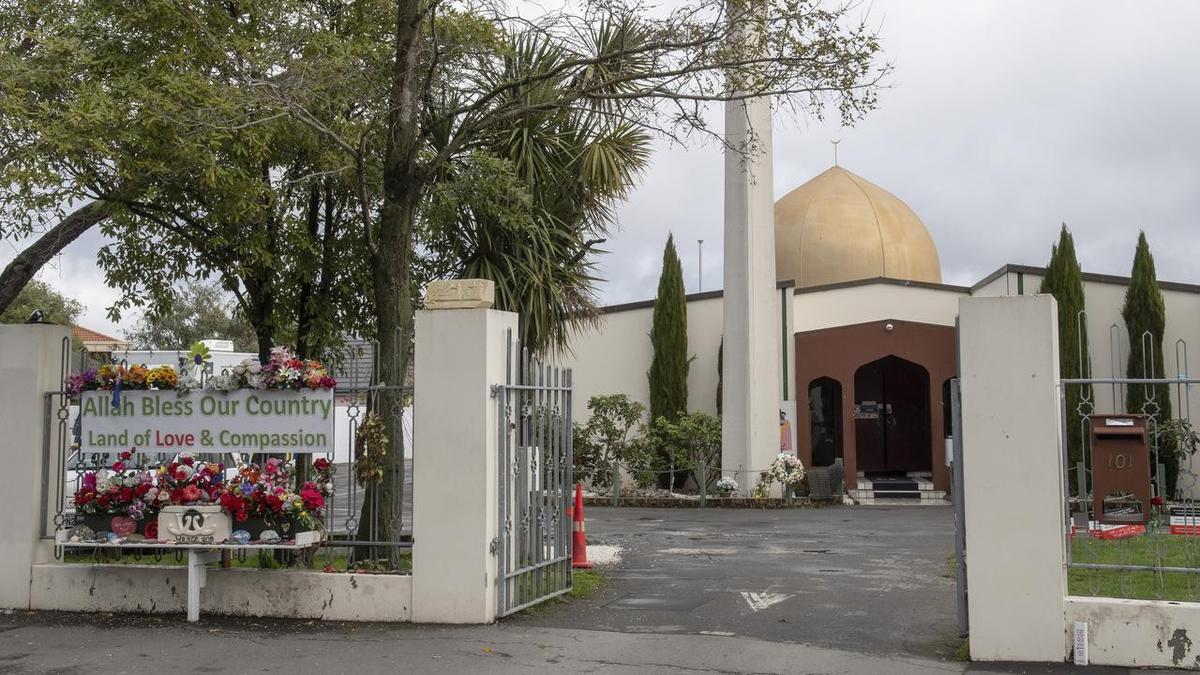
A royal commission into New Zealand’s deadliest mass shooting may serve as a model for an inquiry into the December 14 Bondi attack, where 15 individuals lost their lives and over 40 were injured. Prime Minister Anthony Albanese has softened his stance regarding the establishment of a royal commission, reversing his earlier rejection of calls for such an investigation.
As discussions about the potential terms of reference for the inquiry progress, the Law Council of Australia has emphasized the necessity of ensuring that the royal commission does not interfere with the ongoing criminal proceedings against the alleged gunman, Naveed Akram, who is currently before the courts. Tania Wolff, president of the Law Council, indicated that the structure of any investigation must be carefully designed to protect the integrity of the criminal case.
The Christchurch royal commission, which investigated the 2019 mosque attacks that resulted in 51 fatalities, included provisions for private sessions to maintain confidentiality and restrict information access to prevent any adverse effects on criminal trials. “It will be vital that the timing, conduct, and terms of reference of any royal commission be structured so as not to interfere with ongoing criminal proceedings,” Wolff stated in comments to the Australian Associated Press.
Support for a royal commission has grown among various groups following the Bondi attack. Wolff noted that a comprehensive focus on anti-Semitism is essential for any federal inquiry. “This inquiry must be wide-ranging and look at matters including national security coordination, intelligence-sharing arrangements, communications and online regulation, hate speech legislation, counter-terrorism laws, pathways to radicalization, and the effectiveness of preventive frameworks,” she said.
Recent polling data from News Corp indicates that 54 percent of voters support a federal royal commission. The survey, which included responses from 1,608 voters conducted earlier this week, revealed that 19 percent opposed the inquiry while 27 percent were uncertain. Notably, support was strongest among One Nation voters (73 percent), followed by Coalition voters (68 percent), Greens voters (46 percent), and Labor voters (42 percent).
Calls for the inquiry have also come from Jewish organizations, families of victims, and prominent Australians, including the federal opposition. An open letter advocating for a federal inquiry was issued by the Labor Israel Action Committee, with former MP Mike Kelly highlighting the need to examine the roots of anti-Semitism. “You look into the generation of hate and propagandising of hate material in general, regardless of who it’s targeting,” he remarked.
Kelly emphasized the importance of a broad terms of reference to investigate systemic issues surrounding the Bondi massacre. “The terms of reference could be adjusted as new information emerges; it may lead to the need to broaden or narrow the scope,” he stated. He also mentioned that a royal commission has the capability to issue interim reports throughout its proceedings, a practice that has been utilized in the past.
The coalition has proposed that the terms of reference include an examination of the drivers of anti-Semitism, as well as the effectiveness of federal, state, and territory agencies in addressing radical Islamic extremism. As the conversation evolves, stakeholders are increasingly focused on ensuring a thorough and effective inquiry that addresses the complexities surrounding this tragic event.
For those in need of support, assistance is available through Lifeline at 13 11 14 and beyondblue at 1300 22 4636.
