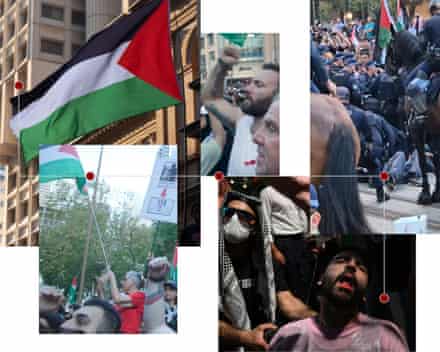
Tensions escalated in Sydney on October 16, 2023, as protests erupted in response to the visit of Israeli President Isaac Herzog. Demonstrators gathered in large numbers near Town Hall, calling for Herzog to face charges at the International Criminal Court for allegations related to the Gaza conflict, which he denies. The situation quickly devolved into violence as New South Wales police attempted to disperse the crowd, leading to multiple clashes and injuries.
The protest began peacefully, with thousands waving flags and chanting. Among the participants were Rob Chapman and his eight-year-old son, Seamus, alongside Jann Alhafny, a 69-year-old woman whose family fled Palestine during the 1948 Nakba. As the evening progressed, the atmosphere shifted dramatically. A police helicopter hovered above as protesters gathered, despite a recent court ruling that granted police expanded powers to control the demonstration.
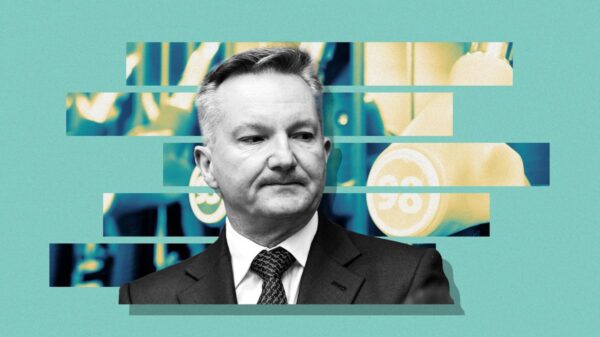
According to police, these powers were enacted under the Major Events Act, a decision made by Chris Minns, the New South Wales Premier. Minns characterized the protest as creating an “impossible situation.” Critics, however, described police actions as “unhinged.” A member of Minns’ own government stated that the violence was a foreseeable outcome of the anti-protest laws that limit demonstrators’ rights.
The police presence intensified as the crowd grew, and around 5:50 PM, notable figures including former Australian of the Year Grace Tame addressed the gathering. Tensions escalated further as discussions between protest organizers and police about the possibility of a march ended without agreement. By 7:07 PM, chants of “let us march” filled the air, indicating a collective desire among protesters to take their message to the streets.
As the crowd prepared to move, police formed a blockade along George Street, citing legal restrictions under the Major Events Act. Protesters responded with drums and chants, but police remained resolute. Just after 7:31 PM, the first arrest occurred as Ali Al-Lami was taken into custody. He claimed that he was punched in the head by officers during his arrest, a scene that would soon be mirrored by other incidents of police violence.
The atmosphere quickly deteriorated as police used pepper spray on the crowd, causing panic. Witnesses described chaotic scenes where demonstrators were pushed and restrained. Jordan Ryan Hennessy, a protester, was reportedly caught in the turmoil and was seen fleeing as officers advanced.
One of the most alarming incidents involved a man who was violently restrained by multiple officers while trying to make a statement. Eyewitness accounts, including that of Chapman, described the situation as escalating unexpectedly. Vicki Sentas, an associate professor specializing in policing law, criticized the use of force, stating, “I cannot see any reason that would objectively justify the level of force being used against the man.”
As the night wore on, the protests continued to clash with police efforts to contain the crowd. By 8:24 PM, Jann Alhafny sustained serious injuries after being forcefully pushed by officers. Her condition necessitated hospitalization due to four broken vertebrae.
The police response has drawn widespread scrutiny. Mal Lanyon, the police commissioner, later apologized to the Muslim community for the aggressive tactics employed during the protest. Lanyon stated that although some officers were informed to allow prayers to conclude, others acted without that knowledge.
As the protest concluded, Assistant Police Commissioner Peter McKenna asserted that the speakers at the rally incited unrest, a claim that sparked further debate. Despite the widespread criticism of police actions, Chris Minns has defended their response, stating, “We can’t blame the police for doing what we asked them to do.”
In the aftermath, the Law Enforcement Conduct Commission announced an independent inquiry into the police’s handling of the protest following numerous complaints about their conduct. This inquiry aims to address the concerns raised about police brutality and the legality of their actions during the chaotic events of the evening.
The Sydney protests reflect a growing tension surrounding political expression and the balance of public safety, raising important questions about the rights of protesters and the responsibilities of law enforcement in managing large-scale demonstrations.