



































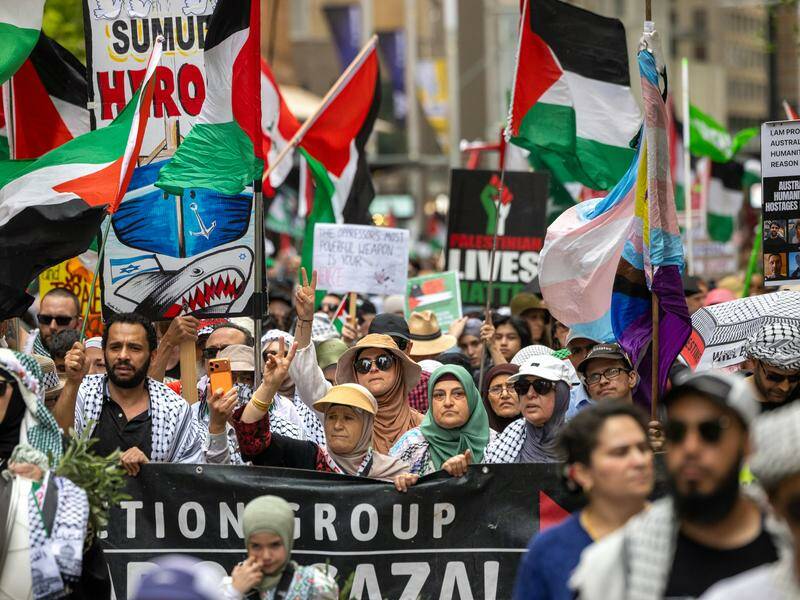
Queensland has taken a significant step in addressing anti-Semitism by becoming the first state in Australia to ban specific pro-Palestinian slogans, including “from the river to the sea.” This controversial phrase, which has been widely adopted by pro-Palestinian supporters, will now be classified as a prescribed phrase under proposed legislation due to be introduced in parliament next week. Violating this law could lead to a maximum prison sentence of two years.
The proposed reforms also aim to tackle other forms of hate speech, targeting slogans such as “globalise the intifada.” If passed, these changes would impose severe penalties on individuals displaying hate symbols, chanting terrorist slogans, or causing disturbances at places of worship, with potential sentences reaching up to seven years in prison.
Legislative Context and Background
The push for these new laws follows the tragic events of the December 14 Bondi terror attack, which resulted in the deaths of fifteen individuals during a shooting at a Jewish celebration. This incident marked the deadliest attack on Australian soil since the 1996 Port Arthur tragedy. Premier David Crisafulli emphasized the government’s commitment to combating hatred, stating, “Through this legislation, we are delivering a strong and considered response.” He noted that the reforms are intended to draw a “clear line” to protect the people of Queensland from the “embers of hatred.”
The full slogan “from the river to the sea, Palestine will be free” refers to the territory between the Jordan River and the Mediterranean Sea. While Hamas, classified as a terrorist organization in Australia, incorporates similar language in its charter, many activists argue that the slogan symbolizes a call for Palestinian freedom and human rights rather than inciting violence or rejecting Israel’s existence.
Community Reactions and Broader Implications
The proposed legislation has received support from various community leaders, including Jason Steinberg, president of the Queensland Jewish Board of Deputies. He expressed that the reforms send a “clear message” that anti-Semitism and hate will not be tolerated in Queensland. “For the past two and a half years, the Jewish community has endured unprecedented levels of hate, intimidation, and fear,” Steinberg stated, highlighting the importance of restoring confidence among community members.
The reforms were unveiled at the Queensland Holocaust Museum, reflecting their serious intent to address ongoing issues related to anti-Semitism. Moreover, Charis Mullen, the opposition’s multicultural affairs spokeswoman, indicated that the Labor Party supports laws targeting anti-Semitism, promising to scrutinize the proposed measures closely.
In addition to banning specific slogans, the legislation will expand existing restrictions on displaying hate symbols. This includes swastikas, Nazi emblems, and flags associated with Hamas, Islamic State, and Hezbollah. The maximum penalty for displaying these symbols will increase from six months to two years in prison, thereby enhancing protections for places of worship.
As Queensland moves forward with this legislative initiative, its implications extend beyond state borders. Other regions, notably New South Wales, are also contemplating similar measures, reflecting a growing recognition of the need to confront hate speech and protect community cohesion across Australia.
