



































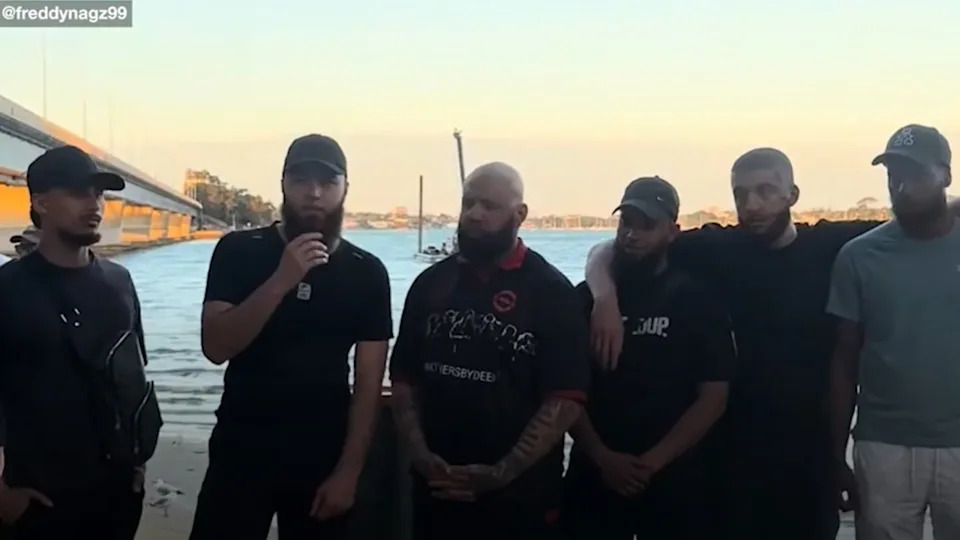
Seven men arrested in Liverpool, Sydney, last week have spoken out following their release, asserting that they were subjected to police abuse without justification. The arrests occurred on March 15, 2024, after police received a tip-off regarding a potential “violent act” linked to the men, who were reportedly traveling in two cars believed to be headed to Bondi.
New South Wales Police announced on March 16 that the men would be released from custody, stating that “justification for their ongoing detention no longer exists” and no charges would be filed. They will remain under monitoring while in New South Wales. This decision came just days after a separate terror attack claimed 15 lives, which heightened tensions around public safety.
Following their release, the men took to social media, expressing their grievances. One individual claimed to have been “racially profiled, oppressed and terrorised” by police for “absolute no reason.” In a TikTok video, five of the men emphasized their desire to send a “strong message” as they prepared to return to Melbourne.
“The brotherhood we experienced in Sydney, we will never forget it,” one of the men stated. “All love goes to everyone that supported us.” Another individual, who was not arrested but was present, cautioned others to be careful due to the prevailing tension. He advised compliance during interactions with law enforcement, urging, “If you do get arrested or interact with law enforcement, comply with them, don’t resist arrest.”
In a separate video, a man showcased the injuries sustained by one of the arrested individuals, highlighting visible scars on his face. “Look at what they done to him for no absolute reason,” the presenter remarked, pointing out the severity of the injuries. The injured man, when asked for further comments, expressed in a foreign language, “the law is looking after us.”
The incident has sparked discussions about police conduct and the treatment of individuals during investigations. As the men continue to share their experiences, the implications of their claims may resonate within broader conversations on law enforcement practices and community relations in Australia.
