



































US President Donald Trump has sparked a wave of criticism in the United Kingdom following his comments suggesting that NATO troops did not engage fully on the frontlines during the Afghanistan conflict. In an interview with the Fox Business Network on November 2, 2023, Trump expressed doubt about the reliability of NATO as an ally, questioning whether member countries would support the United States in times of need.
“I’ve always said, will they be there if we ever needed them and that’s really the ultimate test and I’m not sure of that,” Trump stated. He added, “They sent some troops to Afghanistan… they stayed a little back, a little off the front lines.” His remarks have provoked strong reactions, particularly given the UK’s historical involvement in Afghanistan, which began after the September 11, 2001 attacks.
UK Prime Minister Sir Keir Starmer condemned Trump’s comments, calling them “insulting and frankly appalling.” He emphasized the emotional impact of these statements on the families of those who served and sacrificed in Afghanistan. “I would certainly apologise if I had misspoken in that way,” Starmer remarked when asked if he expected Trump to retract his statements.
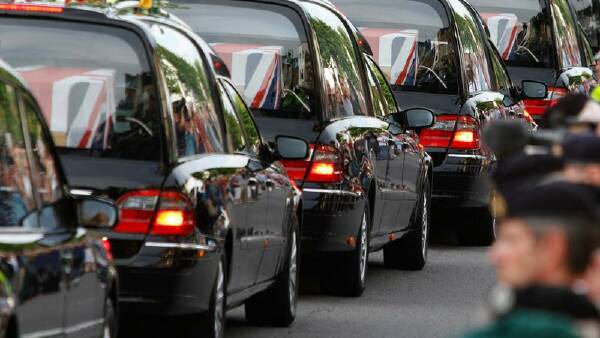
The UK’s commitment to NATO and its military operations in Afghanistan has been significant. Following the 2001 invasion, more than 150,000 UK troops were deployed, with 457 fatalities recorded over the course of the conflict. Former Prime Minister Tony Blair previously affirmed the UK’s support for the United States, stating the nation would “stand shoulder to shoulder” with its ally in response to terrorism.
UK Defence Secretary John Healey called for remembrance of the troops who served, highlighting their heroism. “Those British troops should be remembered for who they were: heroes who gave their lives in service of our nation,” he said. The UK’s involvement in Afghanistan has been noted as its deadliest conflict since the 1950s, particularly during intense military operations in the Helmand province.
Retired Colonel Stuart Tootle, who led the first UK battle group in Helmand in 2006, also criticized Trump’s statements. While he acknowledged some validity in Trump’s concerns regarding NATO funding, he deemed the president’s remarks “really unfortunate, inaccurate and totally unjustified.”
Trump’s recent comments are not isolated; they reflect a broader pattern of questioning NATO’s unity and purpose. This has been particularly evident in his rhetoric surrounding international relations, including recent statements regarding Greenland, a territory belonging to Denmark.
The only invocation of NATO’s Article 5, which mandates collective defense, occurred in response to the 9/11 attacks. “When America needed us after 9/11, we were there,” said former Danish platoon commander Martin Tamm Andersen, who underscored the sacrifices made by coalition forces, including the loss of 44 Danish soldiers in Afghanistan—the highest per capita death toll among allied forces.
Retired Polish General Roman Polko, who served in both Afghanistan and Iraq, voiced his disappointment, stating that Trump has “crossed a red line” with his comments. “We paid with blood for this alliance. We truly sacrificed our own lives,” Polko asserted, echoing sentiments felt by many fellow veterans and military leaders.
The backlash against Trump’s remarks underscores the deep ties and shared sacrifices among NATO allies, particularly in the context of their collective military history in Afghanistan. The UK and its partners continue to grapple with the legacy of these conflicts while maintaining a commitment to international alliances that have shaped global security for decades.
