
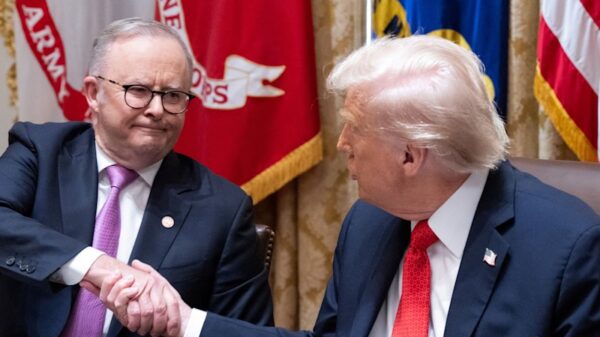


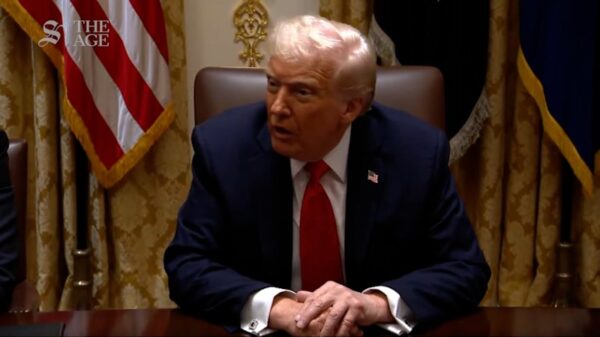



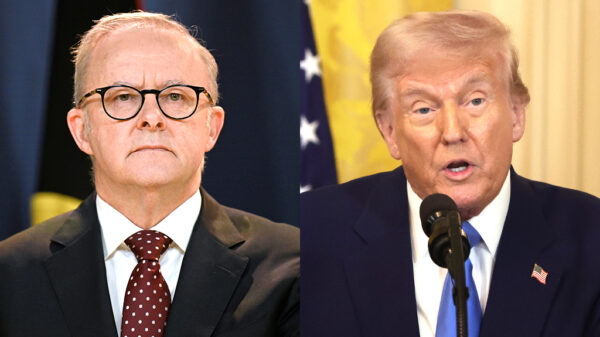


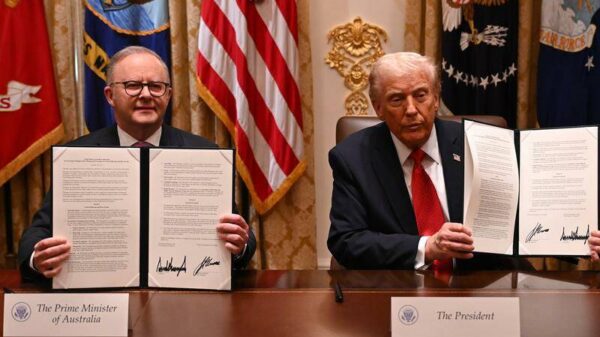
















The United States has committed to enhancing Australia’s critical minerals sector following a significant meeting between Prime Minister Anthony Albanese and US President Donald Trump at the White House. This agreement aims to bolster cooperation in mining and processing rare earths and critical minerals, with Western Australia set to be a major beneficiary.
The bilateral framework, which includes a minimum of $1 billion investment from both countries toward an $8.5 billion pipeline of priority critical minerals projects, is expected to diversify Western Australia’s mineral supply chains. It will also support the state’s growing defence, renewable energy, and advanced manufacturing sectors. With abundant reserves of lithium, nickel, cobalt, and rare earths, Western Australia is strategically positioned to fulfill the goals of this landmark agreement with one of its closest allies.
Under the terms of the framework, Western Australia will immediately receive $200 million in concessional equity finance from the Commonwealth Government for the Alcoa-Sojitz Gallium Recovery Project located in Wagerup, south of Perth. This project is anticipated to contribute up to 10 percent of the total global supply of gallium, a critical component for defence and semiconductor manufacturing. The US Government will also participate with an equity investment, which includes a right of offtake.
Economic Diversification and Job Creation
The Alcoa-Sojitz project is part of a trilateral collaboration involving Japan, the US, and Australia, aimed at strengthening economic security among the partners. The Cook Labor Government emphasizes that investment in downstream processing and battery component manufacturing will create skilled jobs and generate long-term benefits for local communities.
Premier Roger Cook expressed enthusiasm for the agreement, stating, “My government’s vision is to diversify Western Australia’s nation-leading economy.” He highlighted the importance of maintaining Western Australia as a global leader in the resources sector and the best place to secure quality employment. Cook added, “This deal is a win for Western Australia and a win for Western Australian jobs.”
In reaffirming the commitment to the AUKUS pact, which envisions making defence the second-largest industry in Western Australia, Cook emphasized the significance of diversifying the state’s economy to ensure its continued strength. He acknowledged the efforts of Prime Minister Albanese and Federal Resources Minister Madeleine King in securing this transformative deal.
Minister for Mines and Petroleum David Michael noted that the agreement represents a unique opportunity for Western Australia. “Critical minerals are at the core of WA’s economic diversification strategy,” he stated. “This agreement is set to provide a significant boost in establishing our state as a leading force in downstream processing, advanced manufacturing, and value-adding industries.”
National Security and Future Industries
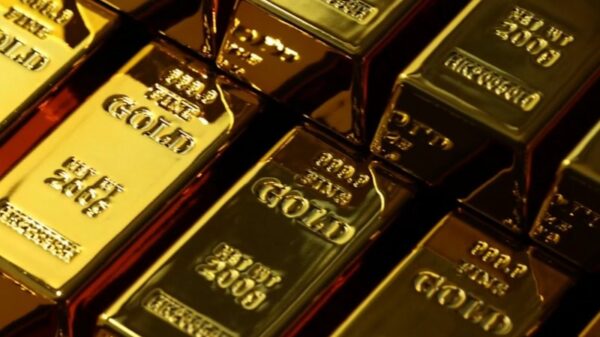
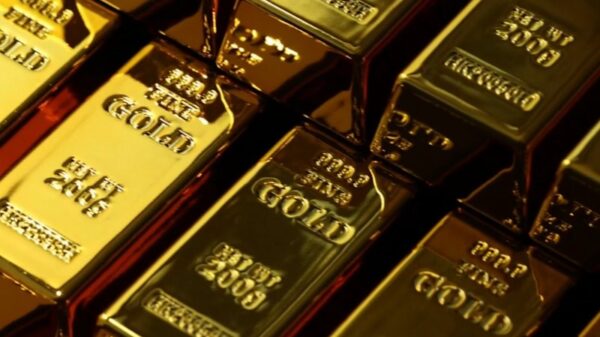
Defence Industries Minister Paul Papalia emphasized the critical role that Western Australia’s rare earths play in national security. He described gallium as “the new gold for defence,” highlighting its importance in enhancing everything from battery endurance to guided missile systems. According to Papalia, the minerals extracted in Western Australia will not only bolster national security but also help diversify the economy for future generations.
Manufacturing Minister Amber-Jade Sanderson pointed out that the framework agreement will promote the development of an advanced manufacturing sector in Western Australia. She stated, “The guaranteed investment underpinning the framework will drive supply chain diversity and provide the confidence needed for proponents to pursue opportunities here.” With a rich endowment of critical minerals, Western Australia is well-positioned to lead in downstream processing and advanced manufacturing.
This historic commitment between the United States and Australia marks a significant step towards strengthening economic ties and ensuring that Western Australia continues to play a vital role in the global minerals supply chain.