The housing crisis in Western Australia is intensifying, with the public housing waitlist reaching a staggering 23,168 people in 2026. This figure represents an increase of 5,000 since the Labor government secured its second term in 2021. As the state’s wealth continues to grow, largely driven by an anticipated $18 billion in resources royalties and GST payments, many West Australians are struggling to find adequate housing.
Official data reveals that the average wait time for public housing has now extended to 165 weeks, equivalent to more than three years. This marks a rise from 152 weeks at the same time last year. Alarmingly, the priority waitlist has also surged from 3,716 in 2021 to 7,934 this year, with the average wait time for priority housing now at 99 weeks, compared to 85 weeks last year.
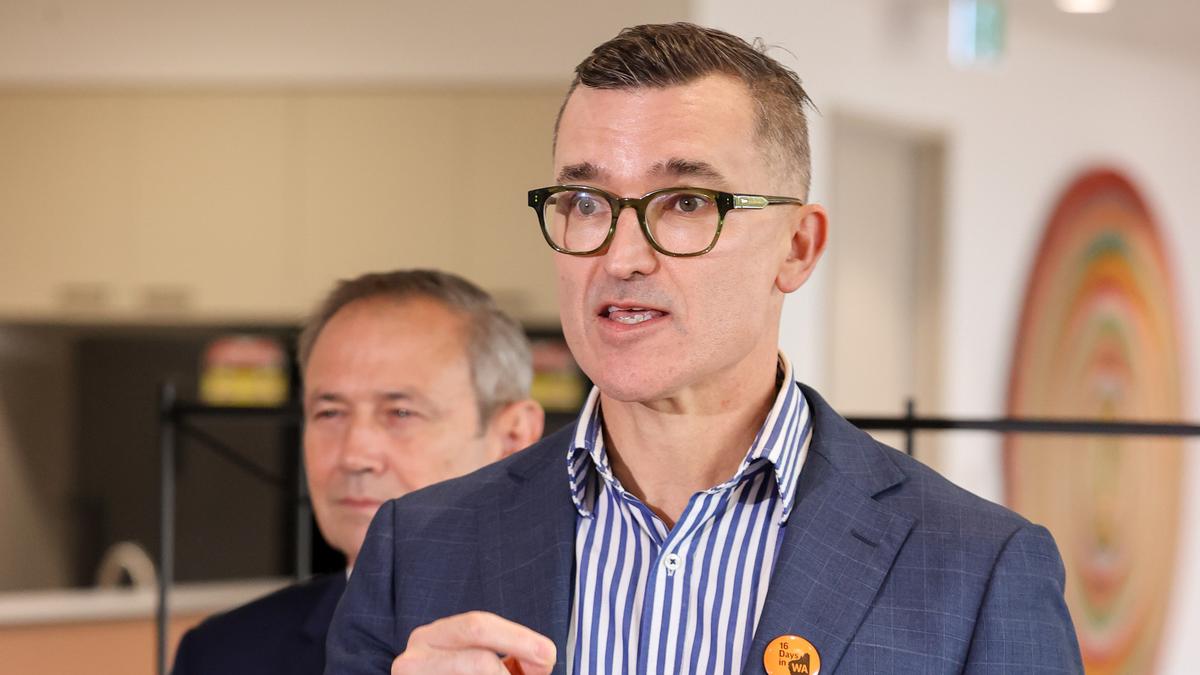
In response to these troubling statistics, John Carey, the Minister for Housing, defended the government’s record, stating that the state is actively working to increase the supply of social homes. He noted that over 3,000 new social homes have been added since 2021, backed by a historic investment of $5.1 billion in housing and homelessness initiatives.
“The State Government is doing everything it can to bolster the supply of housing throughout Western Australia,” Carey said. “With continued private market pressure and rapid population growth, WA is experiencing pressure on waiting lists as people seek the security and safety net of social housing.”
The situation is exacerbated by rising rental costs in Perth, where the average weekly rent for a house has climbed to $700. This increase has driven many people to seek social housing as a viable option.
Carey attributed the longer wait times to several factors. He indicated that some applicants may have found suitable accommodation while still being eligible for public housing, while others have declined offered properties. Additional considerations include specific housing requirements, periods of incarceration, and changes in family composition or housing need.
The housing figures coincide with alarming statistics from Synergy, the state’s primary electricity supplier. Currently, 32,043 families and 10,108 businesses are on payment plans due to difficulties in meeting their electricity bills. Collectively, these customers owe Synergy $127.7 million.
Lesley Walker, Synergy’s Executive General Manager of Customer Services, emphasized the company’s commitment to supporting customers facing financial hardship. “We want to support customers and work with them so they can access assistance that suits their circumstances,” she said. “We offer payment plans and other assistance to help customers facing financial hardship and ask customers to contact us as soon as possible so we can help them.”
Despite these efforts, approximately 10,000 residential customers and 804 business customers have been referred to debt collectors. Walker reiterated that Synergy does not disconnect customers actively working with them to manage bill payments, stating that the use of collection agencies is a last resort.
As the challenges of housing affordability and energy costs continue to mount, the situation in Western Australia underscores the urgent need for effective solutions to support vulnerable communities struggling to secure both housing and essential services.