



































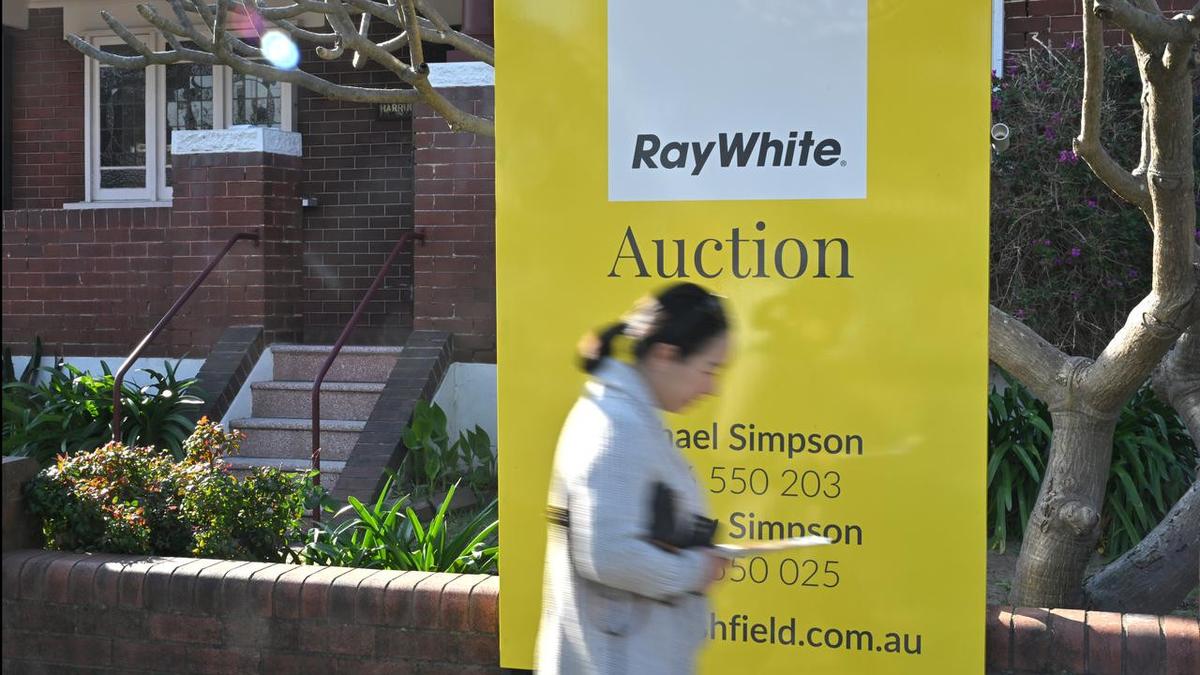
The pursuit of home ownership is becoming less of a priority for young women as rising costs and affordability challenges reshape their aspirations. According to the latest findings from Cotality’s sixth annual Women and Property Report, women in the millennial and Generation Z age groups are increasingly viewing property ownership as less important compared to their male counterparts.
Data reveals that fewer than 40 percent of Generation Z women, born between 1997 and 2012, consider owning a home highly important, while nearly 50 percent of their male peers do. Among millennials, those born between 1981 and 1996, 58 percent of women value property ownership similarly, compared to 67 percent of men. This shift in perspective highlights the significant barriers faced by young women, particularly in accumulating the savings necessary to enter the housing market.
Affordability Challenges Impacting Aspirations
Cotality’s head of research, Gerard Burg, emphasized the implications of these findings for policymakers and financial institutions. He stated, “These findings raise important questions for policymakers, industry leaders, and financial institutions about how to better support young Australians—especially women—in achieving property ownership if it remains a national goal.” Burg also noted that the increasing gender pay gap exacerbates the difficulties women face in their journey toward home ownership.
Separate research from Domain underscores the steep obstacles that first-time buyers encounter. Despite three rounds of interest rate cuts, affordability for entry-level housing has worsened nationwide. The 2026 First Home Buyer Report indicates that entry-level house prices rose by 68 percent, significantly outpacing the 21 percent growth in wages over the same period. Domain’s chief of research and economics, Nicola Powell, warned, “We’re creating whole waves of generations that are just not going to be able to purchase a home.”
With rising housing costs, repayments for entry-level homes now claim nearly half of a typical young couple’s income, having increased by 24 percent within five years. This figure is particularly alarming as it exceeds the 30 percent threshold often associated with mortgage stress. For women attempting to navigate the market on a single income, the challenges are even more pronounced, with deposit and serviceability requirements presenting significant hurdles.
Gender Pay Gap and Long-term Consequences
The 2025 report from the Workplace Gender Equality Agency highlights the ongoing impact of the gender pay gap on women’s financial stability. It shows that this gap widens over a woman’s career, peaking in her late fifties. Women between the ages of 55 and 59 face a staggering 31.4 percent pay gap compared to men, resulting in a difference of almost $53,000 in average total remuneration across their careers.
Upfront and ongoing costs, including deposits, stamp duty, and transaction fees, are primary barriers for potential buyers, disproportionately affecting women. Despite changing attitudes among younger generations, property ownership remains a key pillar for financial security and long-term opportunity, according to Lisa Jennings, chief commercial officer at Cotality. She stated, “Saving for a home deposit has become significantly harder for many young Australian women, particularly as they navigate lower average earnings, career breaks, and rising living costs.”
Jennings called for a collective effort from governments, industry, and employers to dismantle these barriers. “If we want property ownership to remain an achievable goal, it’s critical that we work together to provide targeted support that helps women build savings and enter the market with confidence,” she added.
As the landscape of home ownership continues to evolve, the challenges facing young women are becoming increasingly evident. Addressing these issues may be essential not only for individual aspirations but also for the broader economic landscape.
