



































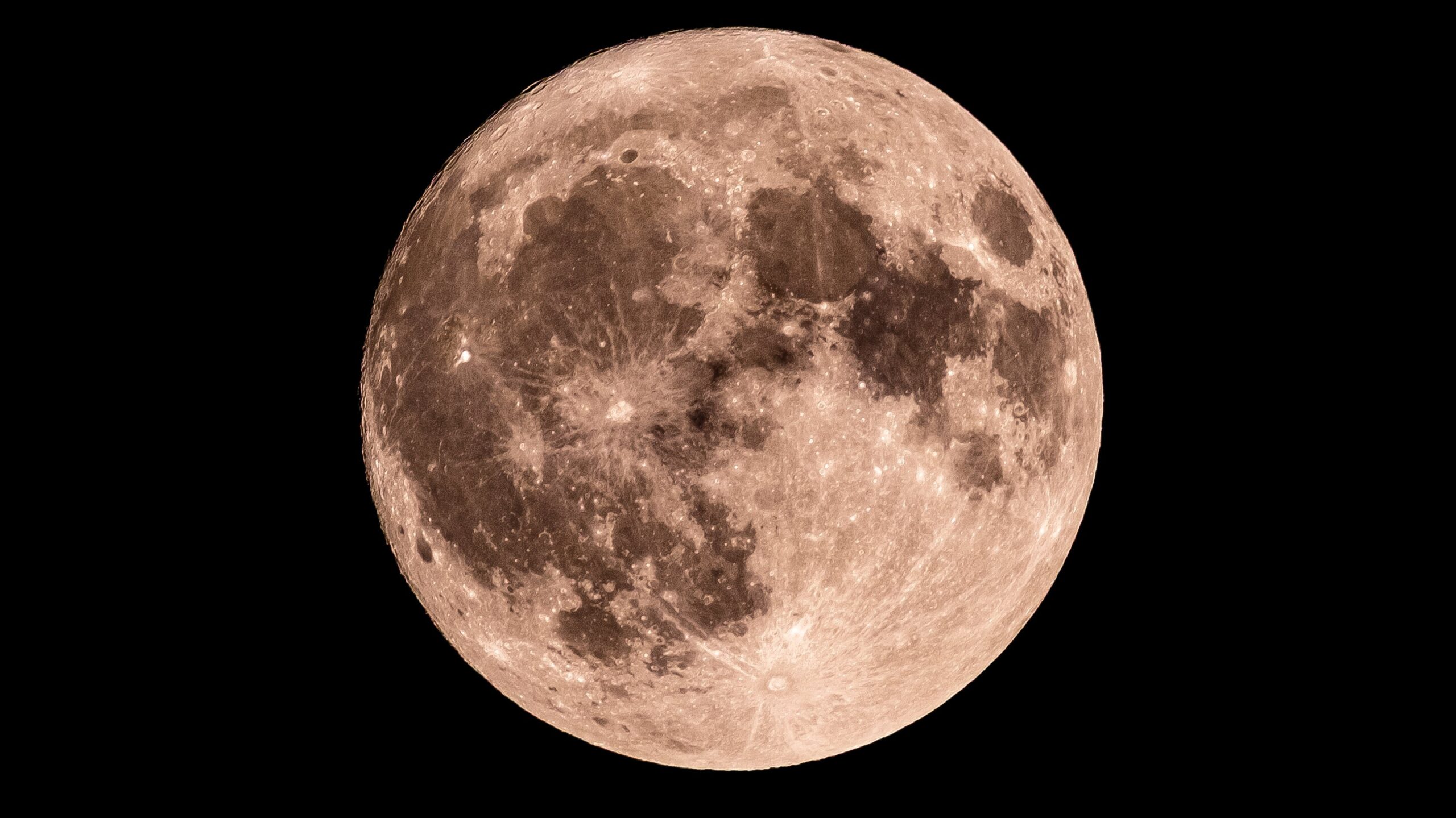
As of December 26, 2023, the Moon is in its Waxing Crescent phase, providing a captivating view for stargazers tonight. Approximately 37% of the Moon will be illuminated, allowing observers to spot several lunar features without any equipment. Notable areas visible to the naked eye include the Mares Crisium, Fecunditatis, and Serenitatis.
For those equipped with binoculars, the Endymion Crater and the Posidonius Crater become visible, enhancing the experience of lunar observation. Utilizing a telescope will reveal even more details, including the landing sites of the Apollo 11 and Apollo 17 missions, as well as the prominent Rupes Altai.
Understanding Moon Phases
The concept of moon phases is integral to understanding the lunar cycle. According to NASA, the Moon takes about 29.5 days to complete a full cycle around the Earth, transitioning through eight distinct phases. These phases occur as the Moon orbits our planet, affecting how much sunlight is reflected back to us.
The eight main lunar phases are as follows:
– **New Moon**: The Moon is positioned between the Earth and the Sun, rendering it invisible.
– **Waxing Crescent**: A small sliver of light appears on the right side.
– **First Quarter**: Half of the Moon is illuminated on the right, resembling a half-moon.
– **Waxing Gibbous**: More than half of the Moon is lit but not yet full.
– **Full Moon**: The entire face of the Moon is illuminated.
– **Waning Gibbous**: The light diminishes on the right side.
– **Third Quarter (Last Quarter)**: The left side of the Moon is now illuminated.
– **Waning Crescent**: A thin sliver of light remains on the left side before it becomes dark again.
Upcoming Lunar Events
Looking ahead, the next full moon will occur on January 3, 2024. This follows the last full moon, which took place on December 4, 2023. The lunar cycle not only fascinates astronomers but also plays a significant role in various cultural and agricultural practices throughout history.
With clear skies, tonight’s Waxing Crescent Moon offers an excellent opportunity for enthusiasts and casual observers alike to appreciate the beauty of our nearest celestial neighbor. Whether through the lens of a telescope or simply gazing up at the night sky, the Moon continues to inspire curiosity and wonder.
