



































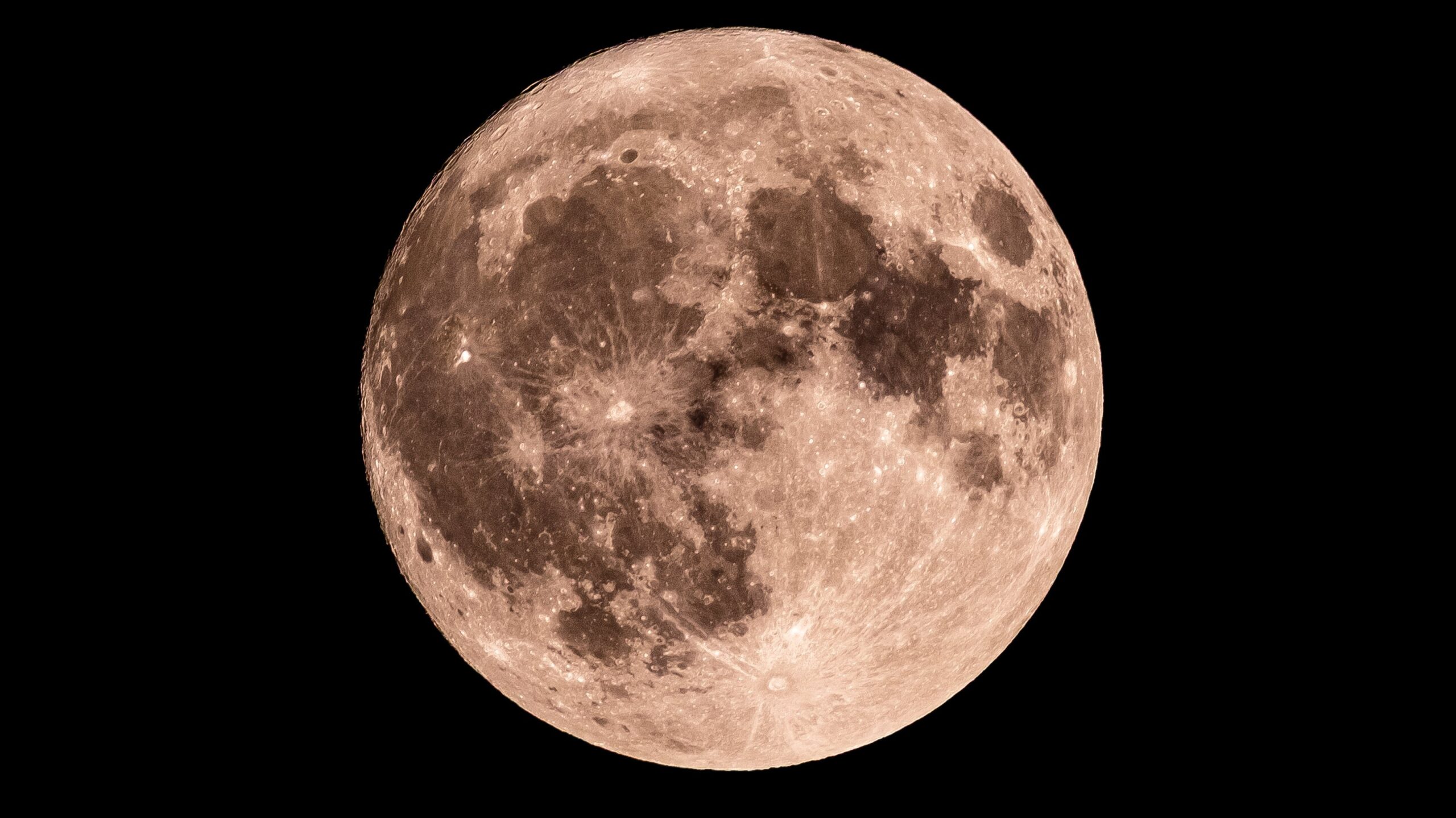
As of February 7, the Moon is in its Waning Gibbous phase, with approximately 71% of its surface illuminated. This phase marks a gradual transition towards the Third Quarter, during which the visible features will be lit on the left side. Skywatchers can expect to see prominent lunar features tonight, making this an opportune time for observation.
For those gazing up at the night sky, significant features will be visible even to the naked eye. The Mares Vaporum and Imbrium are likely to stand out, alongside the Aristarchus Plateau. If equipped with binoculars, observers can catch sight of the Clavius, Gassendi, and Archimedes Craters. Those using telescopes will be rewarded with views of the Apollo 12 and Apollo 11 landing sites, as well as the Linne Crater.
Understanding the Lunar Cycle
The lunar cycle spans approximately 29.5 days, with the Moon passing through eight distinct phases. Throughout this cycle, the Moon continuously orbits Earth, resulting in changes to the illuminated portion visible from our planet.
1. **New Moon**: The Moon is between Earth and the Sun, rendering it invisible.
2. **Waxing Crescent**: A small sliver of light appears on the right side.
3. **First Quarter**: Half of the Moon is illuminated on the right side.
4. **Waxing Gibbous**: More than half of the Moon is lit but not yet full.
5. **Full Moon**: The entire face of the Moon is illuminated.
6. **Waning Gibbous**: The Moon begins to lose light on the right side.
7. **Third Quarter**: Another half-Moon, with the left side illuminated.
8. **Waning Crescent**: A thin sliver of light remains before the Moon goes dark again.
According to NASA’s Daily Moon Guide, tonight’s visibility of 71% illumination allows for an excellent opportunity to appreciate these features. The next Full Moon will occur on March 3, continuing the cycle of lunar phases.
Understanding these phases not only enhances the viewing experience but also connects enthusiasts with the rhythms of our natural satellite. As we move toward the next stages, skywatchers are encouraged to observe the changing face of the Moon and learn about its captivating features.
