



































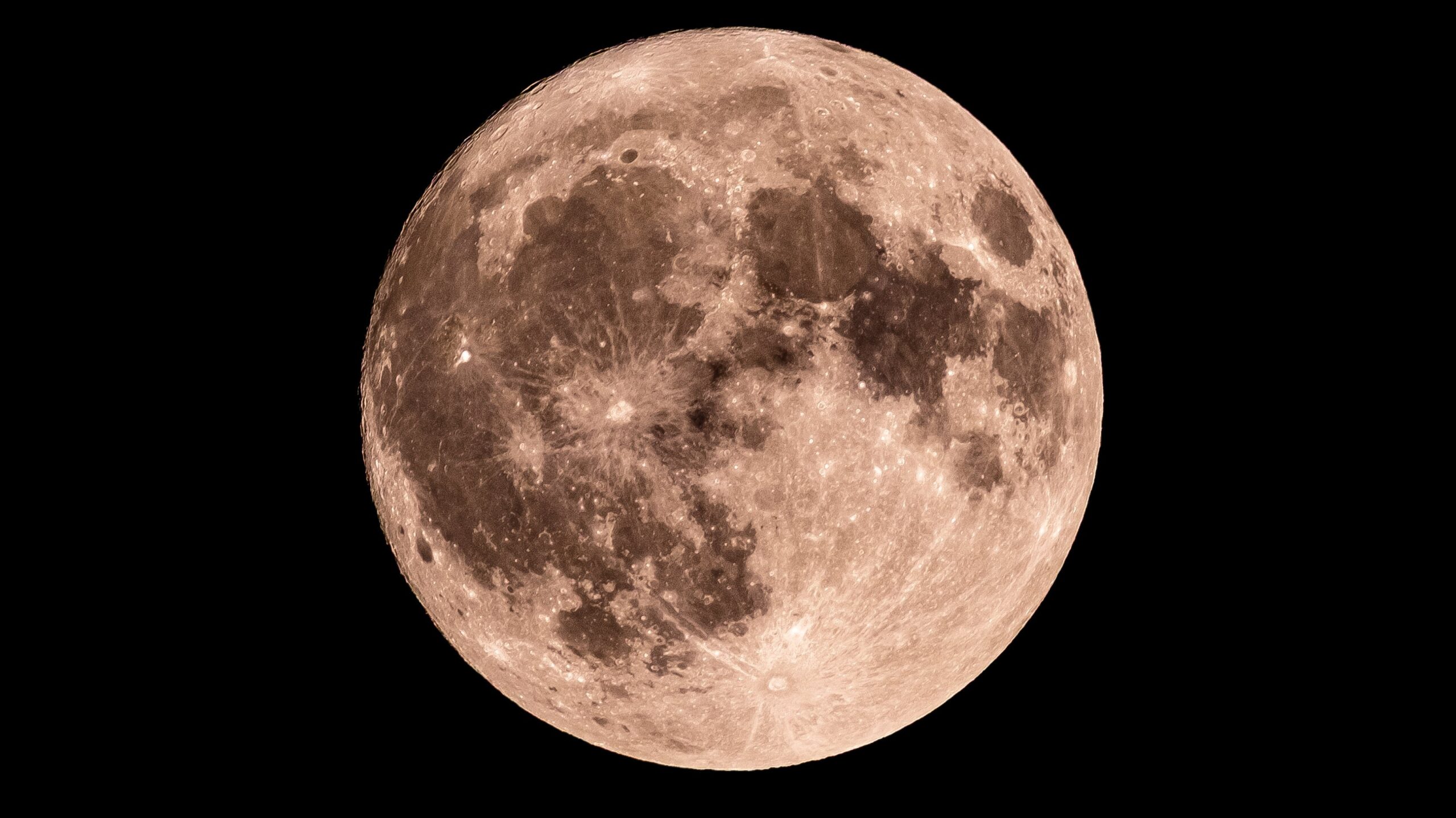
The moon is currently in the Waxing Gibbous phase as of January 1, 2024, illuminating the night sky with approximately 94% of its surface lit. This phase precedes the upcoming Full Moon, which will occur on January 3. Stargazers are encouraged to take advantage of clear skies to appreciate the moon’s brightness tonight.
The Waxing Gibbous phase is part of the lunar cycle, which takes about 29.5 days to complete. According to NASA, this cycle consists of eight distinct phases, each characterized by varying amounts of sunlight reflecting off the moon’s surface. While one side of the moon consistently faces Earth, the illumination changes, creating the different appearances observed throughout the cycle.
Understanding the Lunar Phases
The lunar cycle begins with the New Moon, when the moon is positioned between Earth and the sun, rendering it invisible to observers. As the cycle progresses, phases include:
– **Waxing Crescent**: A small light appears on the right side.
– **First Quarter**: Half of the moon is illuminated on the right.
– **Waxing Gibbous**: More than half is illuminated but not completely full.
– **Full Moon**: The entire face of the moon is visible and illuminated.
– **Waning Gibbous**: The illumination decreases on the right side.
– **Third Quarter (Last Quarter)**: Half of the moon is lit, this time on the left.
– **Waning Crescent**: A thin sliver of light remains on the left before the cycle resets back to the New Moon.
The last Full Moon occurred on December 4, 2023, marking a significant point in the lunar calendar. As we approach this month’s Full Moon, enthusiasts and casual observers alike can look forward to witnessing the moon’s transition from the Waxing Gibbous to a fully illuminated state.
Viewing Opportunities
For those interested in astronomy, tonight offers an excellent chance to observe the Waxing Gibbous moon. With clear skies forecasted in many regions, the moon’s brilliance serves as a reminder of the natural wonders that can be appreciated each month.
As the lunar cycle continues, many people around the world will participate in activities linked to moon phases, including photography, moonlit walks, and educational discussions about lunar phenomena. The Full Moon on January 3 will provide another opportunity for communities to gather and celebrate the beauty of the night sky.
