



































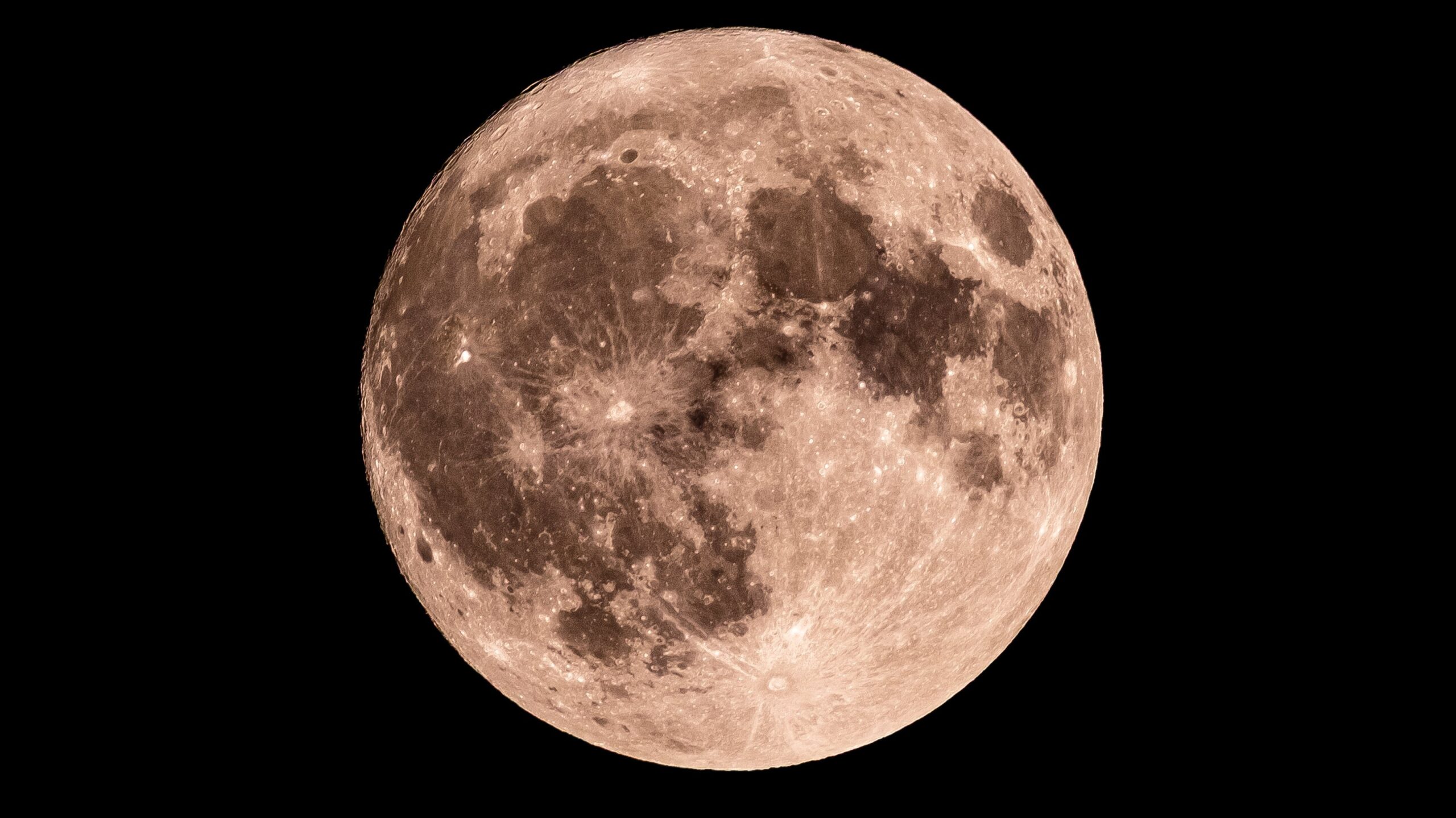
As of January 1, 2024, the Moon is in its Waxing Gibbous phase, with approximately 94% of its surface illuminated. Skywatchers are encouraged to take advantage of the clear skies tonight to observe this bright lunar display. The next Full Moon will occur on January 3, 2024, following the last Full Moon that took place on December 4, 2023.
Understanding Moon Phases
The Moon undergoes a series of phases as it orbits the Earth, completing a full cycle approximately every 29.5 days. This cycle, known as the lunar cycle, consists of eight primary phases. While the same side of the Moon consistently faces Earth, the amount of sunlight reflected off its surface changes, creating varying appearances.
The lunar phases are categorized as follows:
– **New Moon**: The Moon is positioned between the Earth and the Sun, rendering it invisible from our viewpoint.
– **Waxing Crescent**: A small illuminated sliver appears on the right side.
– **First Quarter**: Half of the Moon is lit, resembling a half-moon.
– **Waxing Gibbous**: More than half is illuminated but not entirely full.
– **Full Moon**: The entire face of the Moon is fully illuminated.
– **Waning Gibbous**: The illuminated portion begins to decrease on the right side.
– **Third Quarter (or Last Quarter)**: Another half-moon phase, but now the left side is illuminated.
– **Waning Crescent**: A thin sliver of light remains on the left before disappearing again.
The Importance of Moon Phases
Understanding lunar phases is vital not only for astronomy enthusiasts but also for various cultural practices and natural phenomena. The Moon’s cycle influences tides, wildlife behavior, and even agricultural practices in some cultures. According to NASA, the predictable nature of lunar phases has fascinated humanity for centuries, leading to significant cultural and scientific developments.
Skywatchers and lunar enthusiasts can look forward to the Full Moon on January 3, an event that offers an excellent opportunity for stargazing and reflection. As the Moon continues its journey through the lunar cycle, it remains a captivating subject for observation and study.
