



































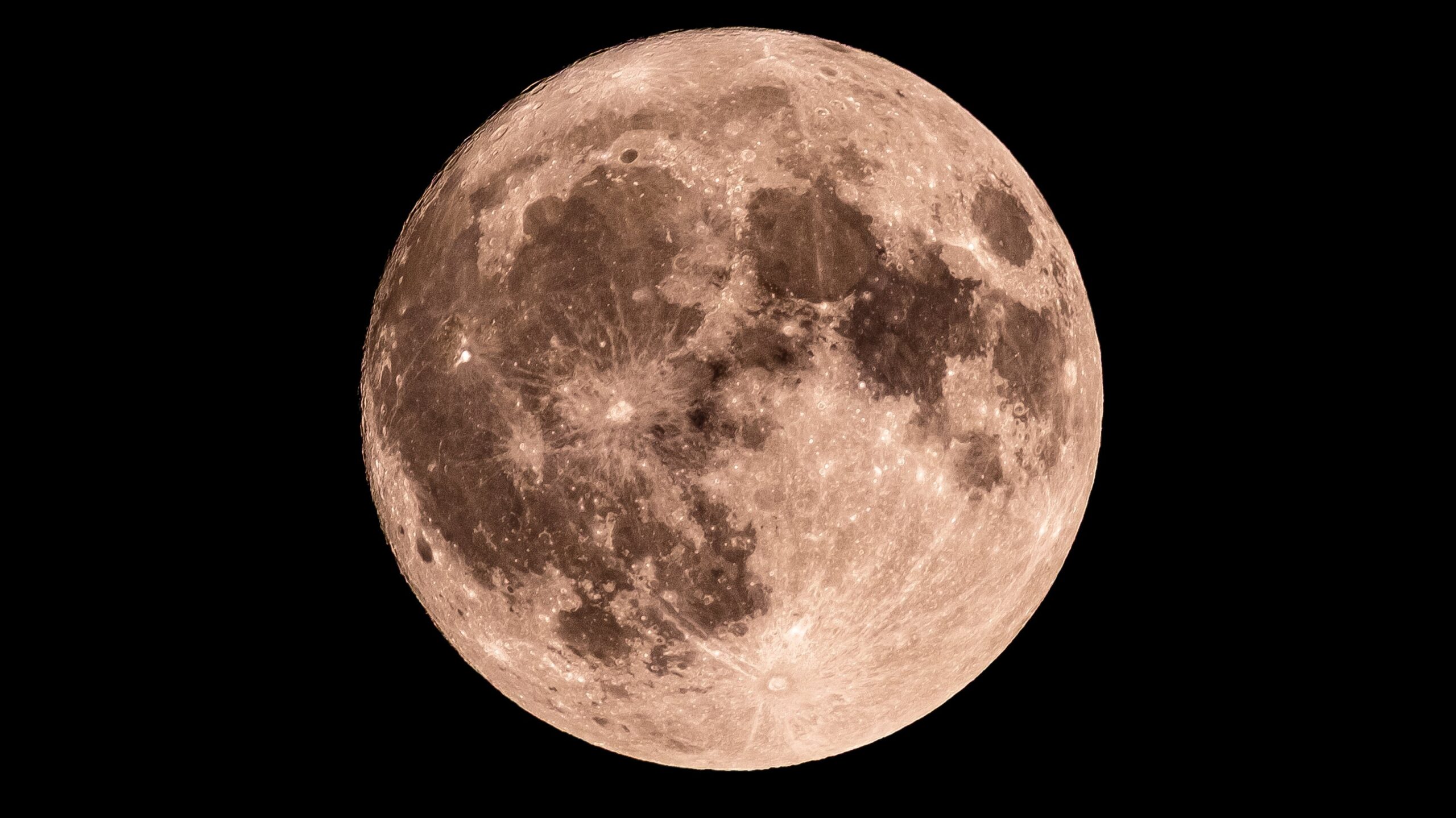
The lunar cycle has commenced with the Moon entering its Waxing Crescent phase on January 19, 2024. A thin crescent will become visible in the night sky as the Moon continues its orbit around Earth. While only 1% of the Moon’s surface is illuminated tonight, stargazers can anticipate a more pronounced crescent in the coming days.
The next Full Moon will occur on February 1, 2024, following the last Full Moon that took place on January 3, 2024. As the Moon transitions through its phases, it offers a fascinating glimpse into the mechanics of our celestial neighbor.
Understanding Moon Phases
Moon phases represent the lunar cycle, which lasts approximately 29.5 days. This duration reflects the time required for the Moon to complete a full orbit around Earth. As it travels, the Moon showcases eight distinct phases based on its position relative to the Earth and the Sun.
Despite always showing the same face to Earth, the visible portion of the Moon changes due to varying sunlight. The phases include:
– **New Moon**: The Moon is positioned between Earth and the Sun, rendering it invisible.
– **Waxing Crescent**: A small sliver of light begins to appear on the right side (in the Northern Hemisphere).
– **First Quarter**: Half of the Moon is illuminated on the right side, resembling a half-Moon.
– **Waxing Gibbous**: More than half of the Moon is lit but remains shy of full illumination.
– **Full Moon**: The entire face of the Moon is fully illuminated.
– **Waning Gibbous**: The Moon starts to lose light on the right side.
– **Third Quarter (Last Quarter)**: Another half-Moon, but this time the left side is illuminated.
– **Waning Crescent**: A thin sliver of light appears on the left side before the cycle concludes with another New Moon.
Looking Ahead
As we observe the Moon’s transition from a sliver to a full orb, interest in its phases often piques around significant dates. The upcoming Full Moon on February 1 will likely attract attention from amateur astronomers and casual observers alike, providing a perfect opportunity to appreciate the beauty of our natural satellite.
The changing phases of the Moon have captivated humanity for centuries, serving as a reminder of the rhythmic patterns of nature. As the nights progress, keep an eye on the sky for the enchanting sight of the waxing crescent.
