



































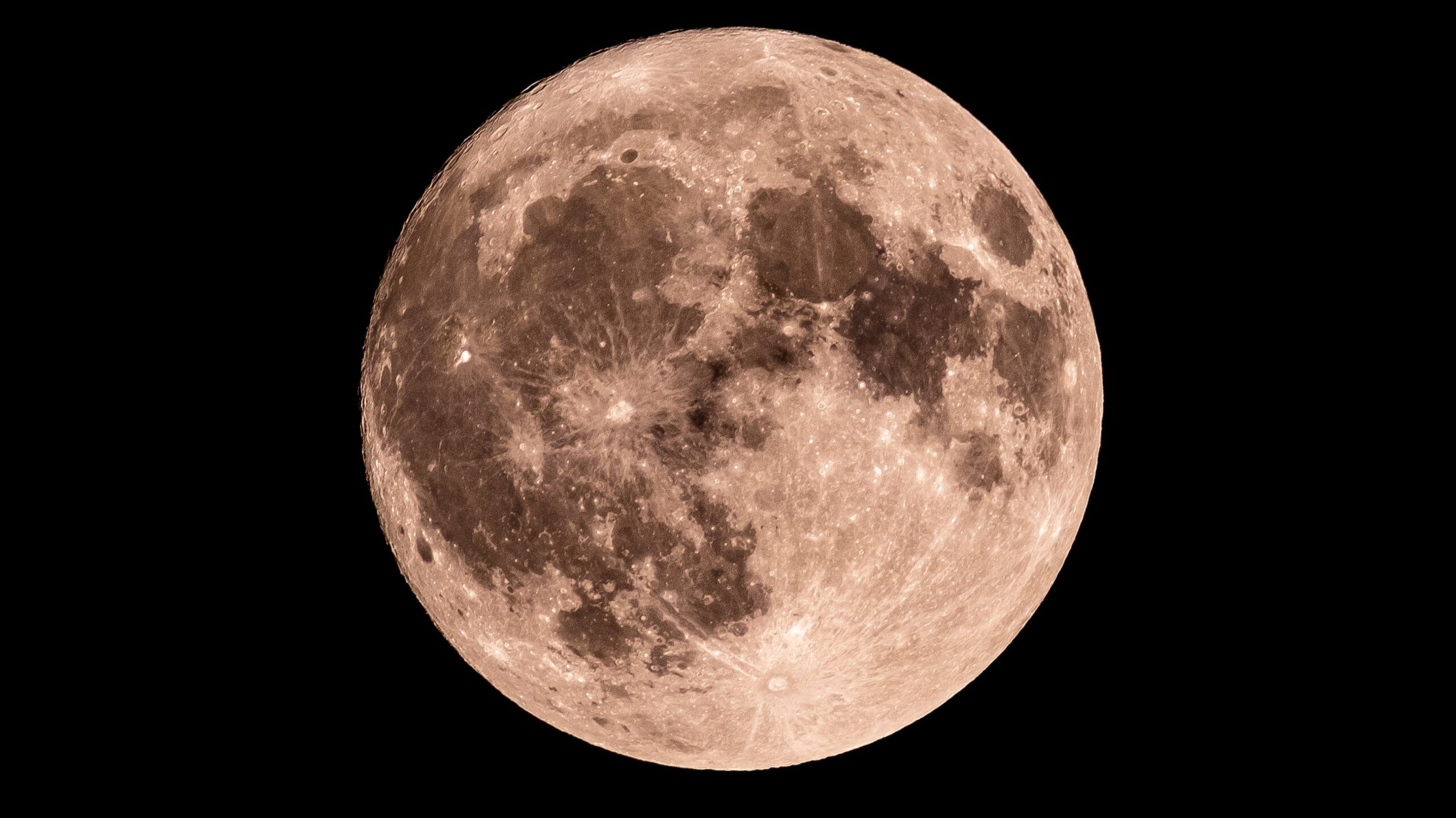
The moon enters a new phase tonight, September 14, marking the Third Quarter of its 29.5-day cycle. According to NASA, this phase reveals the moon as 49% illuminated from our perspective on Earth. As the moon continues its orbit, it becomes increasingly less visible each night, yet there are still notable features to observe.
For those looking to explore the lunar surface, tonight offers a perfect opportunity. Without any optical aids, observers can spot the Tycho Crater and the Copernicus Crater. Using binoculars, the Gassendi Crater and the Alphonsus Crater come into clearer view. For enthusiasts equipped with telescopes, the Schiller Crater and the Fra Mauro Highlands are also worth a glance.
Upcoming Lunar Events
The next full moon, an event that draws considerable attention, is scheduled for October 6. This follows the previous full moon, which occurred on September 7. Understanding these lunar phases is essential for both casual observers and serious astronomers.
Understanding Moon Phases
The phases of the moon are the result of its orbit around Earth, which alters the angle between the Sun, the Moon, and Earth. This cycle creates the various appearances of the moon, from full illumination to complete darkness.
There are eight primary phases:
– **New Moon**: The moon is positioned between Earth and the Sun, resulting in its dark side facing us.
– **Waxing Crescent**: A small illuminated sliver appears on the right side.
– **First Quarter**: Half of the moon is illuminated on the right, resembling a half-moon.
– **Waxing Gibbous**: More than half of the moon is lit but not yet full.
– **Full Moon**: The entire face of the moon is fully illuminated.
– **Waning Gibbous**: The moon begins to lose light on the right side.
– **Last Quarter (or Third Quarter)**: The left side is illuminated, creating another half-moon appearance.
– **Waning Crescent**: A thin sliver of light remains on the left before the moon returns to darkness.
As the moon continues its cycle, it not only captivates stargazers but also serves as a reminder of the intricate dance between celestial bodies. Each phase offers a unique perspective, encouraging both exploration and appreciation of our natural world.
