



































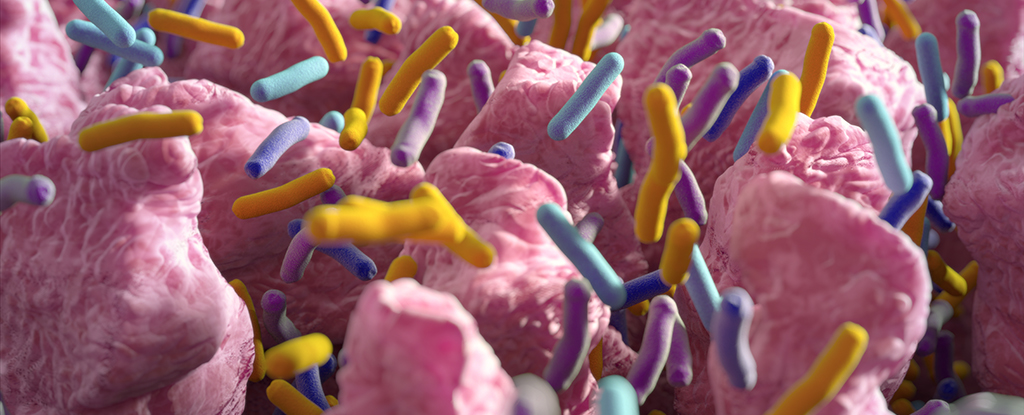
A recent study conducted by researchers at Marshall University in the United States suggests that byproducts from gut microbes could potentially replicate the effects of Ozempic, a medication known for assisting weight loss. This research indicates a link between the number of enteroendocrine cells (EECs) in the gut and obesity, revealing how these cells produce the hormone GLP-1 (glucagon-like peptide-1), which plays a critical role in appetite control and blood sugar regulation.
The study highlights that a decreased number of EECs and reduced GLP-1 production may contribute to the obesity epidemic. Using experiments involving rats and lab-grown mini-guts, known as organoids, the researchers confirmed this correlation and identified a method to stimulate the gut to produce more EECs.
Alip Borthakur, a biochemist in the Department of Clinical & Translational Sciences at Marshall University, noted, “This points to a potential therapeutic strategy that leverages the gut microbes to improve metabolic outcomes in obesity.” The research team focused on the amino acid tryptophan, known for its beneficial effects on gut health, particularly through a metabolite called indole. They discovered that tryptophan and indole could stimulate the production of new EECs, effectively increasing the natural production of GLP-1.
Tryptophan is naturally found in various foods, including poultry, eggs, cheese, and certain seeds. The researchers propose that dietary supplements or probiotics could deliver tryptophan to the gut, initiating a chemical process that could enhance GLP-1 production.
Borthakur emphasized the significance of their findings, stating, “Our findings suggest that microbial metabolites derived from dietary tryptophan can reverse obesity-associated reductions in hormone-secreting gut cells.” Additionally, the researchers identified a specific cell receptor, the aryl hydrocarbon receptor (AhR), which mediates this process, providing a targeted approach for future therapeutic interventions.
Despite the promising nature of this research, actual treatments are still in the developmental stage. Ozempic, a member of the GLP-1 receptor agonists class, is currently used to manage type 2 diabetes and obesity, but it is accompanied by potential side effects. The findings from this study could pave the way for more natural methods of stimulating GLP-1 production in the body, a goal that has motivated various studies in recent years.
Researchers are eager to transition their findings from animal models and organoids to human trials. While the laboratory experiments offer valuable insights, human physiology may respond differently, necessitating further investigation. The research team acknowledges this complexity, noting that “the molecular players and signaling pathways involved in the regulation of EEC differentiation could be different in normal and obese conditions.”
The complete study was published in the International Journal of Molecular Sciences, marking a significant step forward in understanding the relationship between gut health and obesity. As this research progresses, it may lead to innovative approaches for addressing obesity and related metabolic disorders through the modulation of gut microbiota.
