



































The Hong Kong Polytechnic University (PolyU) has announced a significant advancement in gastrointestinal medicine with the development of an acid-resistant “ultra-stable mucus-inspired hydrogel” (UMIH). This innovative hydrogel addresses the limitations of traditional hydrogels, which are commonly used to support wound healing but often fail in acidic environments, such as the stomach.
PolyU’s research team, in collaboration with experts from Sichuan University, designed UMIH to adhere 15 times more effectively than conventional gastric mucosal protectants. This remarkable adhesion suggests considerable potential for enhancing wound repair and facilitating targeted drug delivery, paving the way for large-scale commercial applications.
Research Highlights and Findings
The findings, published in the journal Cell Reports Physical Science, indicate that UMIH significantly promotes gastrointestinal wound healing in animal models. Notably, it outperformed a clinically approved mucosal protectant—aluminium phosphate gel (APG)—which has been a standard treatment for gastric ulcers and gastroesophageal reflux.
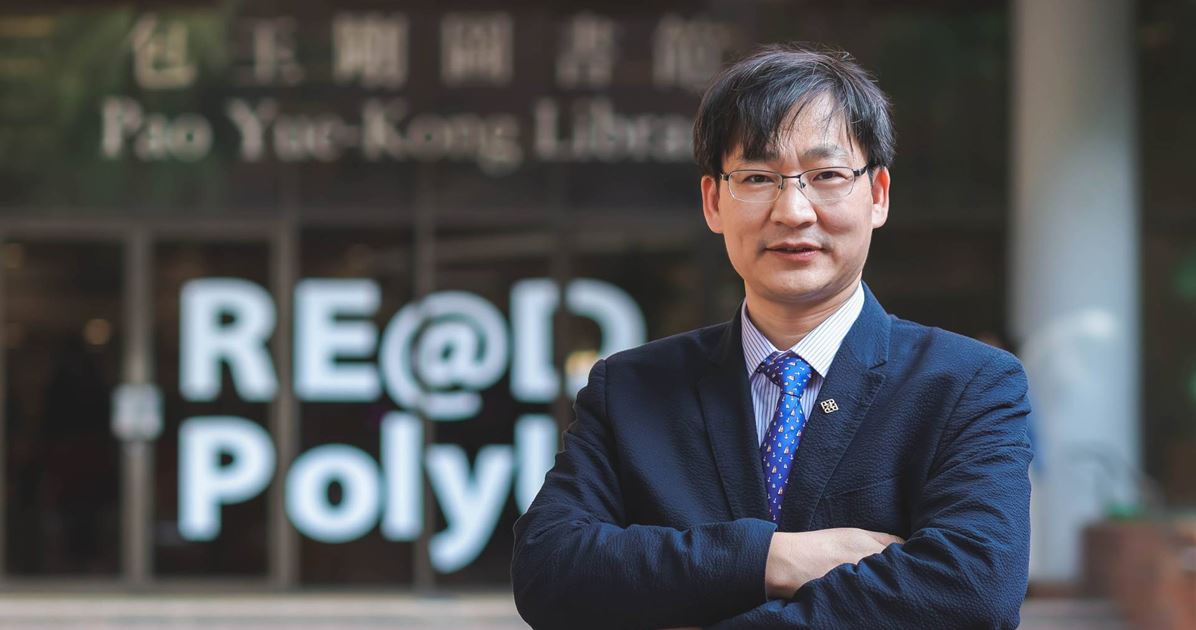
Prof. WANG Zuankai, who led the study and serves as the Associate Vice President (Research) at PolyU, emphasized the hydrogel’s promise in treating various gastrointestinal conditions. He stated, “UMIH shows promise in treating gastroesophageal reflux and gastric ulcers, and in protecting post-surgical wounds.” He also noted its potential for integration with endoscopic drug delivery systems, enhancing minimally invasive treatment options.
Under simulated gastric conditions with a pH of 2, UMIH exhibited a wet adhesion strength of 64.7 kilopascals (kPa), significantly surpassing the adhesion strength of APG, which fully degraded within three days. In contrast, UMIH retained about 50% of its structural integrity after seven days, demonstrating its durability.
Mechanisms and Future Applications
The composition of UMIH includes three key molecular components that contribute to its acid resistance and effectiveness. These components are ELR-IK24, a protein that binds hydrogen ions in acidic environments; tannic acid, which enhances adhesion; and HDI, a molecule that stabilizes the hydrogel’s structure.
Ms. Yeung Yeung CHAU, a Research Associate at PolyU, highlighted the hydrogel’s unique architecture, stating, “This multi-crosslinking architecture keeps UMIH firmly intact in strong acid while maintaining softness and injectability—qualities well suited to clinical use.”
Further testing in pig and rat models of esophageal injury demonstrated that UMIH adhered more effectively to wound surfaces, reduced tissue damage, and promoted new blood vessel growth—crucial factors for healing. Dr. Xiao YANG, a Postdoctoral Fellow involved in the research, reiterated these findings, noting UMIH’s antibacterial properties against common pathogens like Escherichia coli and Staphylococcus aureus.
While clinical trials will be necessary to confirm UMIH’s safety and efficacy in human subjects, the hydrogel’s low-cost production and compatibility with established safety profiles position it well for future commercialization. The research team at PolyU plans to explore further integration of UMIH with drug release systems and implantable flexible electronics, aiming to create smart gastrointestinal devices for real-time treatment and monitoring.
This innovation represents a promising leap forward in gastrointestinal healing, with the potential to improve patient outcomes and streamline therapeutic approaches in clinical settings.
