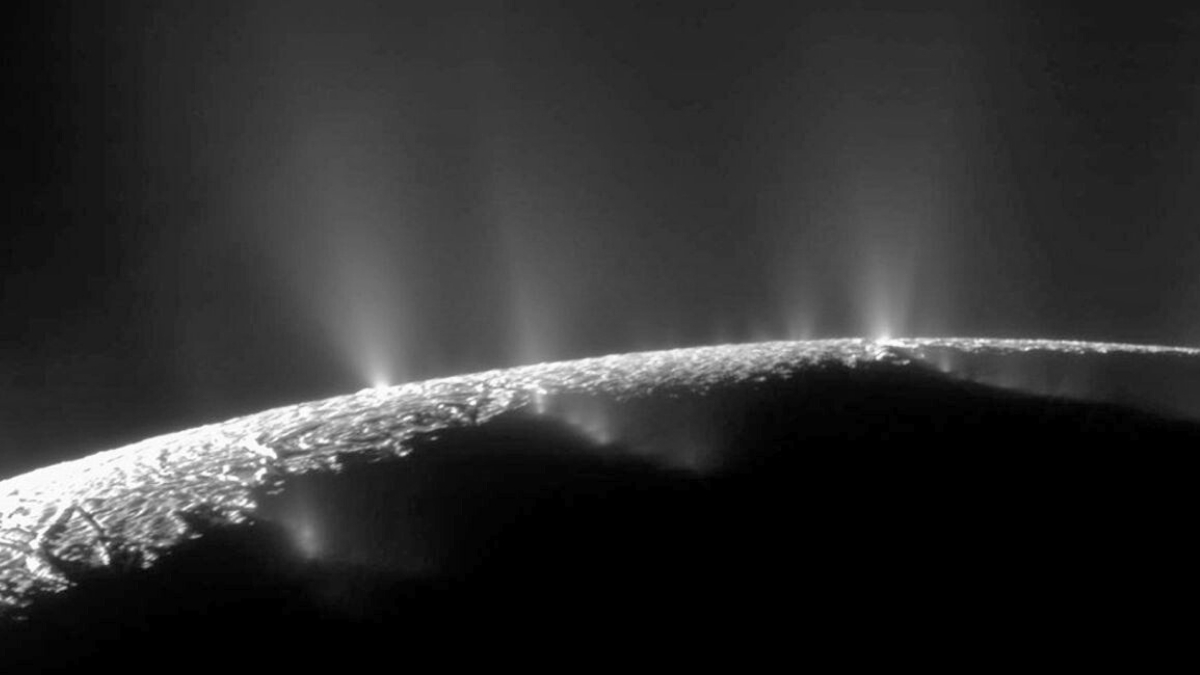
A groundbreaking discovery has revealed a vast web of hidden electromagnetic waves surrounding Europa, one of Jupiter’s moons. This electromagnetic field extends over an astonishing 500,000 kilometers, indicating complex interactions between the moon’s icy surface and its surrounding environment. The findings were made possible through advanced observations from the Hubble Space Telescope and represent a significant advancement in our understanding of this enigmatic celestial body.
Research conducted by a team of scientists at NASA highlights how the electromagnetic waves are linked to Europa’s unique geological and possibly biological features. The data collected suggests that these waves play a crucial role in the moon’s potential to harbor life beneath its icy crust. The discovery marks a pivotal moment in planetary science, as it sheds light on the dynamics of Europa’s subsurface ocean and its interaction with Jupiter’s powerful magnetic field.
Implications for Astrobiology
The implications of this discovery are profound for astrobiology, as Europa is considered one of the most promising locations in the solar system for finding extraterrestrial life. The electromagnetic waves indicate a dynamic environment where energy and chemicals could interact, creating the necessary conditions for life to thrive. According to the research team, understanding these electromagnetic phenomena could aid future missions aimed at exploring Europa’s potential habitability.
Dr. William Sparks, a lead researcher involved in the study, emphasized the importance of these findings. “This electromagnetic field is not just a curious phenomenon; it tells us about the processes happening beneath the ice, which could be critical for life,” he stated. The research underscores the significance of continued exploration of Europa, particularly in light of upcoming missions planned for the next few years.
Future Exploration Plans
NASA’s upcoming missions, including the Europa Clipper, are designed to further investigate the moon’s ice shell and subsurface ocean. Scheduled for launch in the 2020s, the Europa Clipper will carry a suite of scientific instruments aimed at analyzing the moon’s surface composition and the potential for life in its ocean. The findings from the current study will inform the mission’s objectives and enhance the understanding of Europa’s complex environment.
As scientists continue to unravel the mysteries of Europa, the discovery of the extensive electromagnetic field paves the way for new research and exploration. The data not only contributes to our knowledge of this icy moon but also ignites interest in the broader implications for life beyond Earth. The ongoing study of electromagnetic phenomena in space holds the potential to redefine our understanding of habitability and the conditions necessary for life in the universe.
With further exploration on the horizon, Europa remains a focal point of scientific inquiry, poised to reveal its secrets and perhaps unveil the existence of life beyond our planet.