



































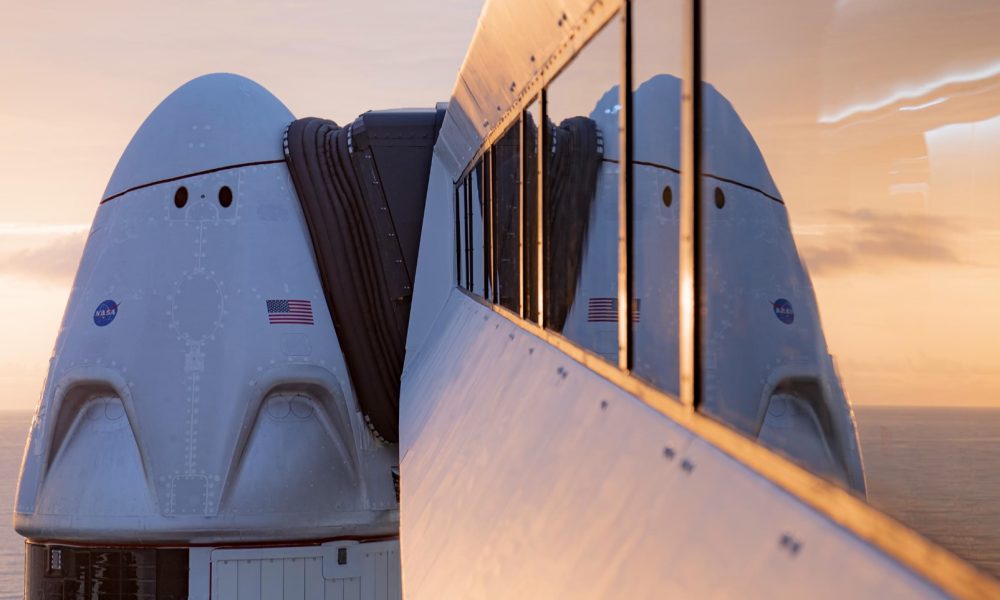
NASA and SpaceX are set to launch the Crew-11 mission to the International Space Station (ISS) on July 31, 2025. The mission will take off from Launch Complex 39A at Kennedy Space Center in Florida, utilizing the Crew Dragon Endeavour spacecraft along with a Falcon 9 booster. This marks the continuation of SpaceX’s collaboration with NASA to transport astronauts to the ISS.
Crew-11 is significant as it represents the sixth flight for the Crew Dragon Endeavour, making it the most experienced crew vehicle in SpaceX’s fleet. According to Sarah Walker, SpaceX’s director of Dragon mission management, Endeavour has successfully transported 18 astronauts from eight different countries since its inaugural flight with NASA astronauts Bob Behnken and Doug Hurley in 2020. Walker highlighted the spacecraft’s role in restoring human spaceflight capabilities to the United States after the Space Shuttle program concluded in 2011.
Mission Details and Upgrades
For the upcoming mission, Crew Dragon Endeavour will feature SpaceX’s upgraded drogue 3.1 parachutes. These enhancements aim to improve safety during reentry, marking Crew-11 as the first operational test of this new parachute system. The Falcon 9 booster designated for this launch, known as core B1094, has a history of successful missions, which include two previous Starlink launches and the private Ax-4 mission conducted on June 25, 2025.
The Crew-11 team consists of four astronauts: NASA’s Zena Cardman and Mike Fincke, along with Japan’s Kimiya Yui and Russia’s Oleg Platonov. Their journey will coincide with a carefully coordinated schedule at the ISS, which includes the departure of the Crew-10 mission and the arrival of SpaceX’s CRS-33 resupply mission.
Coordinating Launches for ISS Operations
The timing of Crew-11’s launch is critical. As NASA manages its limited launch resources, Bill Spetch from NASA emphasized the importance of maintaining the ISS’s altitude and resupply cadence. He stated, “Providing multiple methods for us to maintain the station altitude is critically important as we continue to operate and get the most use out of our limited launch resources that we do have.”
The successful execution of Crew-11 will demonstrate NASA’s capability to effectively manage concurrent missions, particularly with the anticipated arrival of CRS-33 following the Crew-10 and Crew-11 handover.
With the launch approaching, SpaceX and NASA are focused on ensuring that all systems are ready for a safe and successful mission. As the countdown to July 31 continues, the world watches closely, eager to witness the next chapter in commercial space exploration.
