



































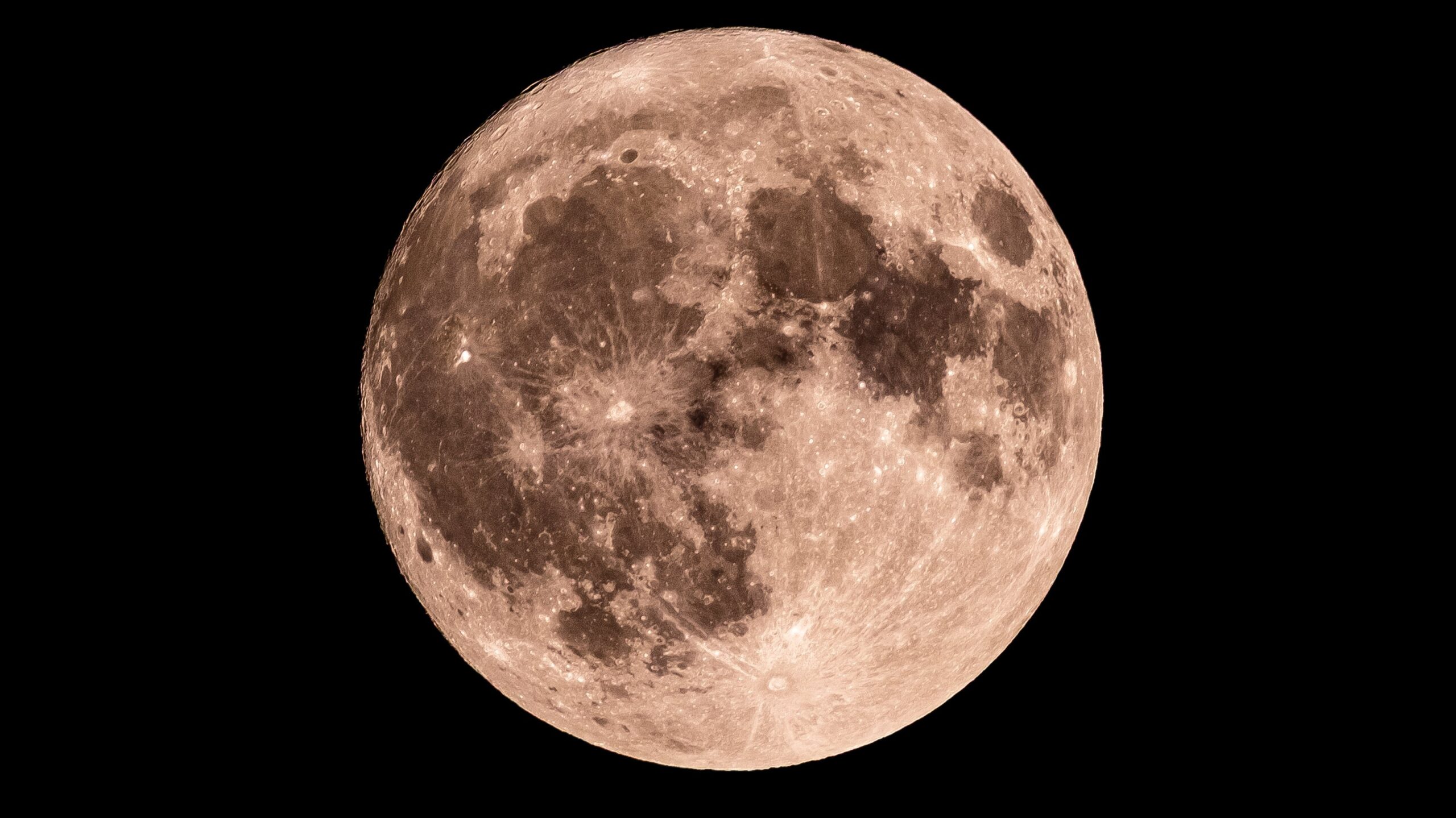
Astronomers and moon enthusiasts can observe the First Quarter Moon tonight, December 27. During this phase, half of the moon will be illuminated on the right side, offering a unique opportunity for stargazers to view various lunar features. According to data from NASA’s Daily Moon Observation, approximately 47% of the moon’s surface will be lit.
For those looking to explore the moon’s surface, several features are visible to the naked eye, including the Mares Crisium, Fecunditatis, and Serenitatis. Binoculars enhance the experience, revealing the Endymion Crater and the Posidonius Crater. For a more detailed view, a telescope allows observers to spot significant locations such as the Apollo 17 landing site, the Caucasus Mountains, and the Rima Hyginus.
Understanding the Lunar Cycle
The moon undergoes a complete cycle approximately every 29.5 days, transitioning through eight distinct phases. This cycle influences how much sunlight reflects off its surface, leading to varying appearances as it orbits Earth.
The eight main lunar phases are as follows:
– **New Moon**: The moon is positioned between Earth and the sun, rendering it invisible.
– **Waxing Crescent**: A small crescent of light appears on the right side.
– **First Quarter**: Half of the moon is illuminated, resembling a half-moon.
– **Waxing Gibbous**: More than half is illuminated but not yet full.
– **Full Moon**: The entire face of the moon is visible and fully illuminated.
– **Waning Gibbous**: Light starts to decrease on the right side.
– **Third Quarter (or Last Quarter)**: The left side is illuminated, appearing as another half-moon.
– **Waning Crescent**: A thin sliver of light remains before the moon returns to darkness.
The next full moon will occur on January 3, following the last full moon on December 4. Each phase presents a unique opportunity for observation and appreciation of our closest celestial neighbor.
As tonight’s First Quarter Moon graces the sky, those interested in astronomy can take advantage of this phase to explore its fascinating features. Whether using binoculars or a telescope, the moon’s surface reveals a captivating landscape worth discovering.
