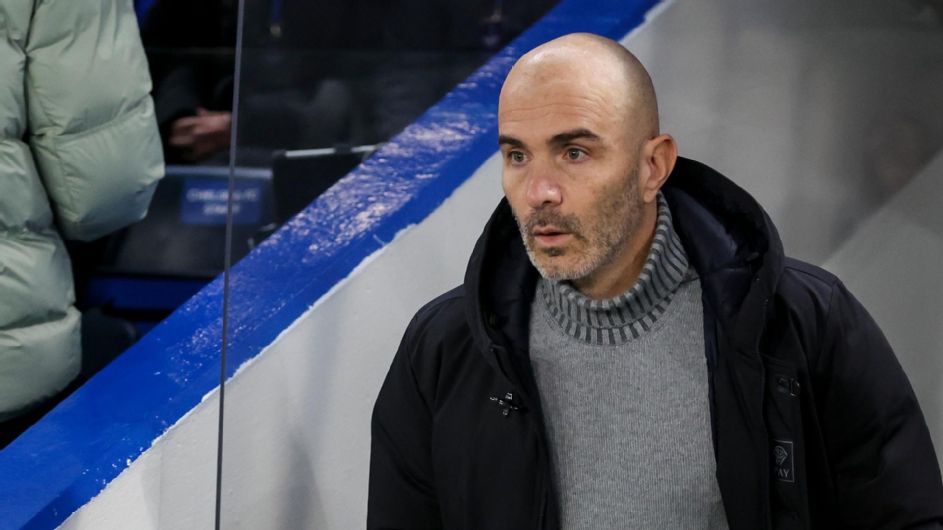
Chelsea Football Club has parted ways with head coach Enzo Maresca, just six months after he led the team to victory in the FIFA Club World Cup. The club announced the decision on January 1, 2026, following a rapid deterioration in Maresca’s relationship with senior officials. This has led to conflicting accounts regarding whether he resigned or was dismissed, prompting a legal dispute over his contract termination.
Maresca’s departure marks the end of an 18-month tenure, during which he guided Chelsea to significant successes, including the UEFA Conference League title and qualification for the UEFA Champions League. Despite these achievements, Chelsea’s recent performance has been lackluster, with only one victory in seven Premier League matches, leaving the team fifth in the standings and 15 points behind leaders Arsenal.
Internal Frictions and Structural Issues
Sources indicate that Chelsea’s management structure, designed to resemble that of Premier League champions Liverpool, came into play during Maresca’s tenure. The club emphasizes a collaborative approach, where the head coach is one of several voices in decision-making rather than the sole authority. This model aims to prevent drastic shifts in the club’s identity with managerial changes, an issue that has plagued clubs like Manchester United in the past.
When Maresca took over in the summer of 2024, he understood the parameters of this structure. Nevertheless, as time progressed, frustrations grew within him regarding the limitations imposed on his role. Although he had brought six staff members from his previous position at Leicester City, it became increasingly difficult for him to assert control over player recruitment and medical decisions.
Maresca publicly expressed dissatisfaction over Chelsea’s failure to sign a central defender following a knee injury to Levi Colwill in August. His comments about the “worst 48 hours” leading up to a match against Everton further intensified speculation about his future. These remarks shocked many, including his own coaching staff, and prompted inquiries from his agent, Jorge Mendes, seeking clarity from the club.
Conflict with the Medical Department
Reports indicate that Maresca’s tumultuous relationship with the club’s medical staff significantly contributed to his departure. Chelsea’s operational model stipulates that the medical department functions independently, and their advice on player fitness must be adhered to for player welfare. However, sources claim that Maresca occasionally disregarded these recommendations, leading to internal concerns about player safety.
There were instances where Maresca did not follow guidelines regarding player minutes, particularly for those returning from injuries. A source close to him mentioned that he felt the medical team’s advice was infringing upon his autonomy as a head coach, adding tension to an already strained situation.
While Chelsea’s executives reportedly supported Maresca during difficult periods, they were cautious about publicly backing him too frequently, fearing it would diminish the impact of their statements. The club felt that Maresca’s media handling, particularly his emotional responses to criticism, needed refinement. His outburst at critics following a Champions League qualification in May raised eyebrows within the organization.
As the relationship deteriorated, speculation emerged around Maresca’s future, especially with reports of discussions between him and Manchester City, despite the latter denying any vacancy. This interest reportedly added to the perception of disrespect toward Chelsea, further complicating his standing at the club.
Despite these challenges, Maresca’s departure leaves Chelsea seeking a fifth permanent head coach since BlueCo took ownership in May 2022. The club’s ambitions remain high, but the path forward is uncertain, especially amid the ongoing legal discussions regarding the nature of Maresca’s exit.
Maresca leaves Chelsea as a world champion, yet his brief tenure highlights the complexities of modern football management, where success on the pitch can be overshadowed by internal dynamics and external expectations.