



































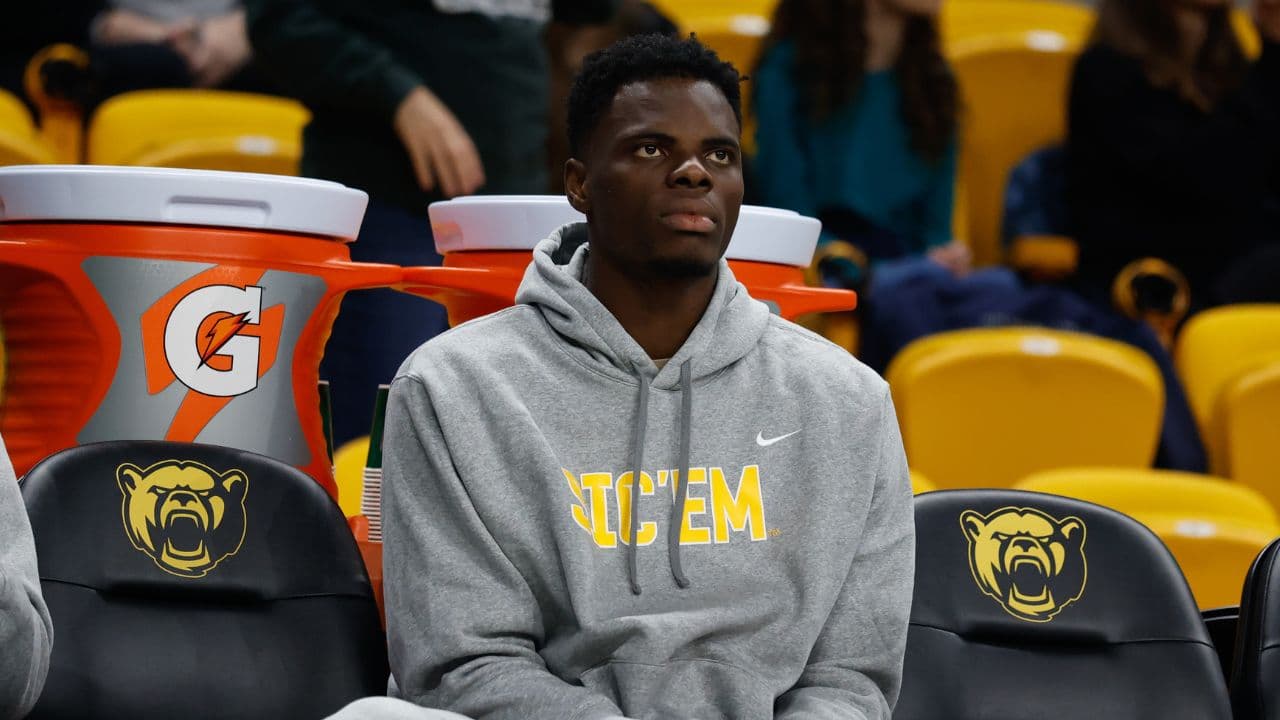
The recent decision by the NCAA to grant James Nnaji four years of eligibility has ignited a significant debate in collegiate athletics. Selected 31st overall in the 2023 NBA Draft, Nnaji participated in the Summer League but has not yet played in a regular season NBA game. His return to the college basketball scene with the Baylor Bears has raised eyebrows among prominent coaches, including Tom Izzo of Michigan State and John Calipari of Arkansas. They view this move as a potential threat to the integrity of college basketball.
On a recent episode of All the Smoke, former NBA player Matt Barnes brought the issue to the forefront by inviting respected analyst Jay Bilas to discuss the implications of Nnaji’s eligibility. Bilas, known for his insightful perspectives, noted that the situation mirrors the earlier debates surrounding the one-and-done rule, which plagued college basketball two decades ago.
“Coaches like Calipari and Izzo express that while they won’t recruit these players, they don’t want to face them on the court,” Bilas explained. He drew parallels to the criticism Calipari faced for bringing in one-and-done players, emphasizing that ultimately it became a strategy for success. “When Coach K saw the trend, he adapted,” Bilas recalled, highlighting how Duke embraced the influx of top talent for the sake of competition.
Bilas reflected on the cyclical nature of concerns in basketball, citing his own experiences in the early 1980s. He pointed out that every generation of coaches has faced its own set of challenges, often lamenting changes in how young players develop their skills.
“What I hear from guys like Calipari and Izzo is, ‘Look, we’re not taking these guys, but we don’t want to play against them,’” he stated. This sentiment echoes the concerns many have about the evolving landscape of collegiate sports, where the boundaries of eligibility and player development continue to shift.
As the debate unfolds, Barnes added that today’s young athletes often do not engage in informal play as previous generations did, which alters their development paths. Bilas emphasized that while the system is imperfect, it is essential for young athletes to have choices, rather than be confined by rigid rules.
“I get it. I’m not happy with everything that goes on in basketball,” he remarked. “But I would rather have these young people have choice than be restricted.” This perspective may not be universally popular, but Bilas believes it highlights a fundamental issue that has persisted throughout basketball history.
As the NCAA grapples with this evolving debate, the future of college basketball remains uncertain. Yet, as history suggests, the sport has a remarkable ability to adapt and thrive amid challenges. Coaches and players alike will continue to navigate these changes, and the conversation surrounding Nnaji’s eligibility could be just one of many pivotal discussions in the years to come.
