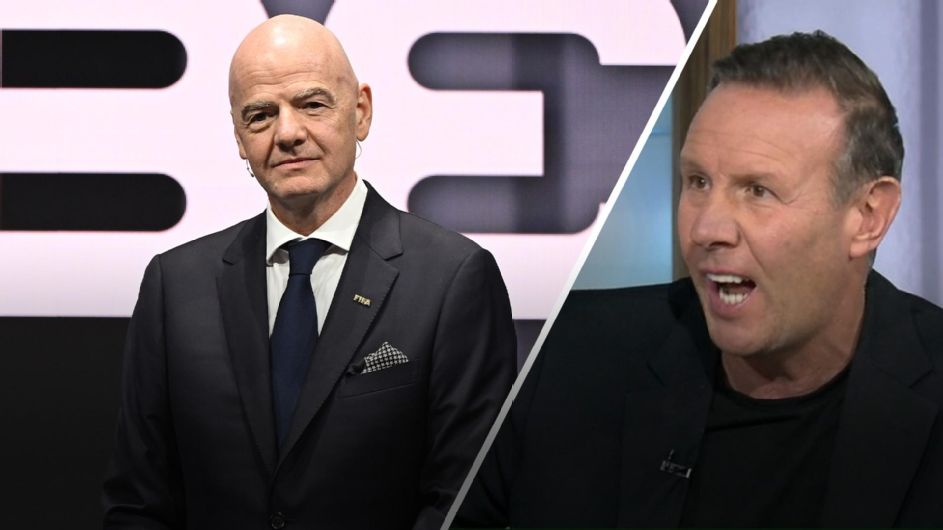
The 2026 FIFA World Cup will feature an unprecedented prize of $50 million for the national association of the winning team, according to an announcement made by FIFA during their Council meeting in Doha, Qatar. This substantial reward is part of a total financial package of $727 million that will be distributed among the 48 competing nations, marking a significant increase in prize money for the prestigious tournament.
FIFA’s decision comes after a buildup to the World Cup that has been clouded by controversy over ticket pricing. Following a backlash from supporters worldwide, FIFA was compelled to reduce prices for a limited number of tickets, ensuring that some will now be available for as low as $60. Despite these challenges, the governing body of football confirmed the record-breaking prize fund on Wednesday.
The overall fund of $727 million will allocate $655 million to participating teams based on their performance in the tournament. Teams eliminated in the group stage will receive $9 million, while the runners-up will earn $33 million. The winning team will take home the largest share, amounting to $50 million. This marks a notable increase compared to the $42 million awarded to Argentina after their victory at the Qatar 2022 World Cup, where they triumphed over France in a dramatic penalty shootout.
FIFA has a long history of publicly disclosing World Cup prize money, a practice that began in 1982 when Italy received $2.2 million for their championship win. The increase in the prize fund reflects not only the growing commercial success of the tournament but also FIFA’s efforts to enhance the competitive landscape of international football.
The 2026 FIFA World Cup is set to commence on June 11, 2026, with co-host Mexico facing South Korea in the opening match in Mexico City. This tournament will be the first to feature an expanded format, with 48 teams participating, which has generated significant excitement among football fans globally.
As preparations continue, the heightened prize money and ticket pricing adjustments illustrate FIFA’s responsiveness to the concerns of supporters, while also emphasizing the financial stakes involved in the world’s most-watched sporting event. The anticipation surrounding the tournament is expected to grow as the opening date approaches, bringing with it the hopes and dreams of nations competing for football’s ultimate prize.