



































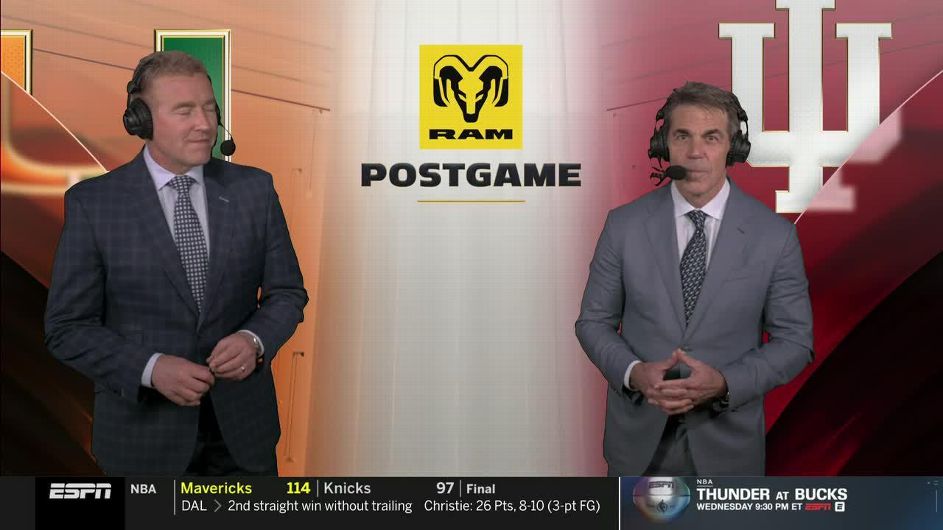
The Indiana Hoosiers achieved a remarkable milestone on March 11, 2024, by winning the College Football Playoff National Championship. This victory, a thrilling 27-21 triumph over the University of Miami, signifies a monumental shift in the program’s history. The Hoosiers, long regarded as one of the least successful teams in college football, demonstrated resilience and determination in a game played at Miami’s Hard Rock Stadium.
This championship win comes after a history marred by struggles, including the most losses recorded by any team in college football history, with a staggering total of 715. For decades, Indiana fans experienced disappointment, with an all-time bowl record of 3-8 and no outright Big Ten titles since 1945. The narrative of Indiana football was one of missed opportunities and unfulfilled potential, with numerous coaches from Lee Corso to Tom Allen attempting to revive the program without enduring success.
Despite these challenges, the Hoosiers’ performance this season has rewritten the narrative. Under the leadership of head coach Curt Cignetti, Indiana finished the season with a perfect 16-0 record, marking a significant turning point. Cignetti acknowledged the program’s past struggles but emphasized the current commitment to football, stating, “It’s a basketball school. The emphasis [now] is on football. We’ve got a fan base, the largest alumni base in the country, Indiana University. They’re all-in. We’ve got a lot of momentum.”
Fans flocked to Miami for the championship game, many traveling over 1,166 miles from Bloomington. Their dedication was reminiscent of classic sports stories, as they celebrated their team’s unprecedented journey through the postseason, which included victories over football powerhouses such as Ohio State, Alabama, and Oregon. Among the crowd was Adewale Ogunleye, a former Hoosiers player and NFL standout, who shared his disbelief at the team’s success. He expressed a desire for longtime supporters who endured the tough years to witness this historic moment, reflecting, “Those fans, the ones who showed up then, they earned this just as much as those guys up on that stage with that trophy.”
The atmosphere in the stadium was electric, with Indiana fans proudly sporting memorabilia that echoed the program’s storied past. One fan, Harry Davis, showcased a vintage T-shirt from the film “Hoosiers,” capturing the spirit of resilience. “I ain’t telling you how much I paid for this ticket because I don’t want my wife to read this and divorce me for irresponsible spending,” he remarked, highlighting the lengths fans were willing to go to support their team.
The Hoosiers’ triumph not only marks a significant achievement in college football but also reshapes the identity of Indiana as a football school. As the confetti fell on the field, celebrating players and fans alike, the sense of disbelief transformed into a shared reality. Fernando Mendoza, the Heisman-winning quarterback who led the team, clinched the championship with a decisive 12-yard touchdown run, proving that the Hoosiers could overcome their storied past.
Looking ahead, expectations have shifted dramatically. As Cignetti noted, “When you’ve been beat down, you have to be careful about your expectations. Now I think those expectations have changed.” The Hoosiers’ victory is not merely a one-off success; it represents the dawn of a new era for the program, one that aims to build upon this historic championship.
The journey of the Indiana Hoosiers has been long and arduous, but their triumph in Miami signifies a turning point that resonates far beyond the football field. As fans and players celebrate this unprecedented achievement, the narrative of Indiana football will forever be altered, embracing a future filled with promise and ambition.
