



































At the close of 2025, several notable vehicles will cease production, prompting automotive enthusiasts to reflect on which models will be missed the most. Unlike previous years when the discontinuation of popular models stirred significant emotions, the current sentiment seems subdued, with little lament for vehicles such as the Toyota Fortuner, Mitsubishi Eclipse Cross, and LDV V80. Instead, many are pointing towards models that continue to be available in high-performance variants.
Reflecting on Discontinued Models
CarExpert gathered insights from its team regarding the vehicles they will miss. The responses ranged from nostalgia to indifference, revealing a mixed emotional landscape. Alborz Fallah articulated a pragmatic view, stating that no model truly stands out as a loss. He noted that cars discontinued in Australia often do so for justified reasons, reflecting the highly competitive nature of the Australian automotive market.
Paul Maric specifically mentioned the Audi S8, reminiscing about its powerful capabilities and advanced technology, including a fingerprint scanner for ignition. He expressed disappointment in how the model evolved into a more generic offering, longing for manufacturers to revive the excitement of creating memorable vehicles.
The Hyundai i30 Hatch garnered attention as well, with Marton Pettendy highlighting its former status as a top seller in Australia. Its discontinuation signifies a shift in the small hatchback segment, leaving buyers with fewer affordable options. Although the i30 N remains available, the absence of the standard hatch marks a significant change in the market landscape.
Personal Connections to Iconic Cars
William Stopford expressed a fondness for the Jeep Grand Cherokee, noting its stylish design and comfortable drive, despite some shortcomings in performance and material quality. He lamented the missed opportunity for a turbo-diesel variant in the latest model, which might have enhanced its appeal.
James Wong echoed similar sentiments regarding the Hyundai i30 Hatch, emphasizing its importance in the Australian market. With over 10,000 sales reported by the end of November 2025, its discontinuation is seen as a significant loss for consumers seeking reliable and economical vehicles.
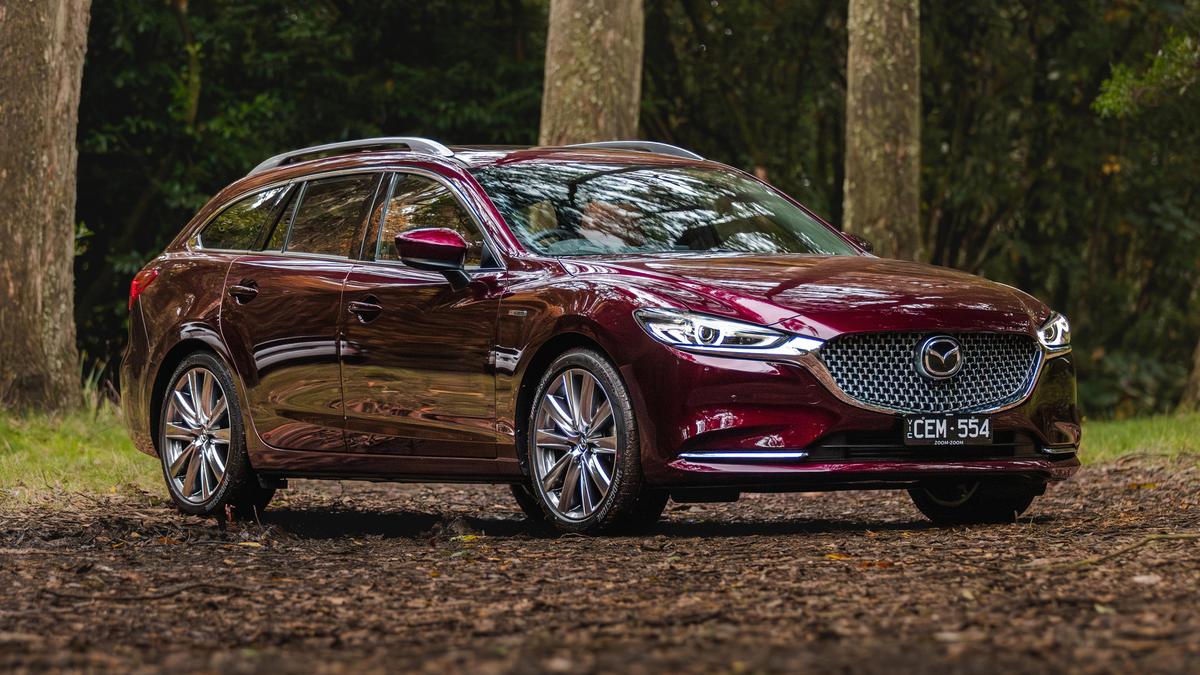
Other contributors, such as Damion Smy, praised the Mazda 6 for its elegant design and refined driving experience. In a market increasingly dominated by SUVs, the departure of sedans like the Mazda 6 and Volvo S60 underscores a broader trend away from traditional car formats.
Max Davies reiterated the importance of the i30, noting its role in Hyundai’s performance lineup while acknowledging the continued presence of the high-performing i30 N. He also reflected on the broader implications of losing vehicles like the Volvo S60 and Mazda 6, which symbolize the decline of the sedan category in favor of more utilitarian designs.
As the automotive industry evolves, the discontinuation of these models highlights shifting consumer preferences and market dynamics. The loss of these vehicles signals not only changes in availability but also the potential erosion of the diversity that once characterized the automotive landscape.
