



































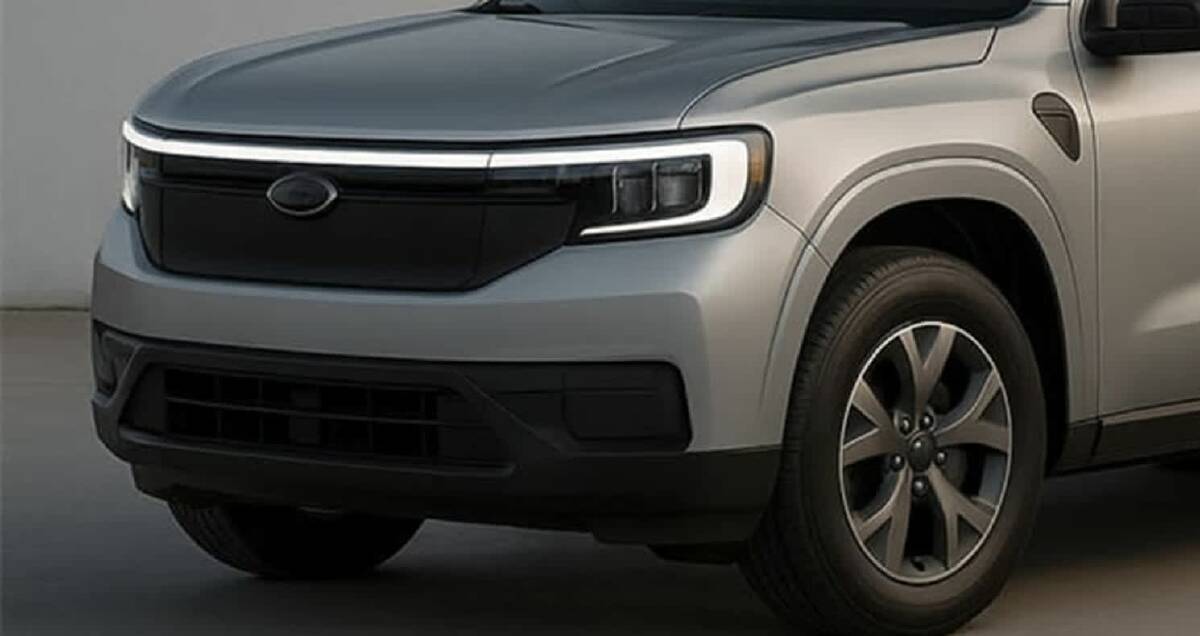
Ford has announced ambitious plans to introduce five new budget-friendly electric vehicle (EV) models, aiming to enhance its market presence in the competitive automotive landscape. According to a report from Automotive News, the models, which will include utes and SUVs, are set to be priced under US$40,000 (approximately AU$55,000) by the year 2030. This strategic move is designed to provide consumers with more affordable options as Ford seeks to compete against an expanding array of models from Chinese manufacturers such as BYD, Chery, and Leapmotor.
The first of these new models is slated to be an all-electric ute, potentially named the Ranchero, which is expected to launch in 2027. Built on Ford’s new Universal EV platform, this model is projected to carry a price tag of around US$30,000 (approximately AU$46,000). This platform marks a shift from the Global Electrified 1 platform currently utilized by the Ford Mach-E SUV.
As the market for electric utes remains limited, with few affordable options available, Ford’s entry could significantly impact consumer choices. Notably, the anticipated electric HiLux from Toyota is among the few competitors in this space. Meanwhile, Ford has recently ceased production of its F-150 Lightning due to sluggish demand, highlighting the challenges within the EV market.
Andrew Frick, President of Ford Blue and Model e, emphasized the commitment to affordability, stating that the new models will feature various power setups and new names. He indicated that these vehicles will encompass a wide spectrum of Ford’s offerings, including cars, trucks, SUVs, and vans. Frick noted, “That’ll start to fill in the product side, but we have work to do to help affordability in the near term more tactically. I would say there’s probably 10 actions that we’ll do to help affordability.”
While Ford has yet to confirm specific details regarding the SUV models included in this initiative, it is expected that they will also cater to the budget segment. The introduction of these electrified models could provide Ford with essential credits toward compliance with Australia’s New Vehicle Efficiency Standard (NVES), particularly as most of its current offerings are powered by internal combustion engines.
At present, Ford’s presence in Australia includes only a plug-in hybrid version of its popular Ranger ute, alongside the Mustang Mach-E SUV and Transit Custom EVs. The last SUV model available in Australia was the Escape, which did not achieve significant market traction. Future plans may include a China-built variant of the Ford Bronco SUV, which is expected to incorporate a range-extender hybrid setup to better serve Australian consumers.
As Ford prepares to roll out these new models, the company is taking strategic steps to align itself with the evolving demands of the global automotive market. The commitment to affordability and electrification could play a critical role in shaping the brand’s future and enhancing its competitive edge against emerging players in the EV sector.
