



































Porsche experienced a significant drop in global sales in 2025, with the luxury sports car manufacturer reporting a total of 279,449 vehicles sold. This figure represents a 10 percent decrease from the 310,718 units sold in 2024. The decline follows a peak in sales just two years prior, when Porsche recorded its highest figures ever at 320,221 units. The downturn is compounded by falling profitability and a strategic shift back towards petrol and plug-in hybrid vehicles under the leadership of the new CEO, Michael Leiters, who assumed his role on January 1, 2025.
Sales Breakdown by Model and Region
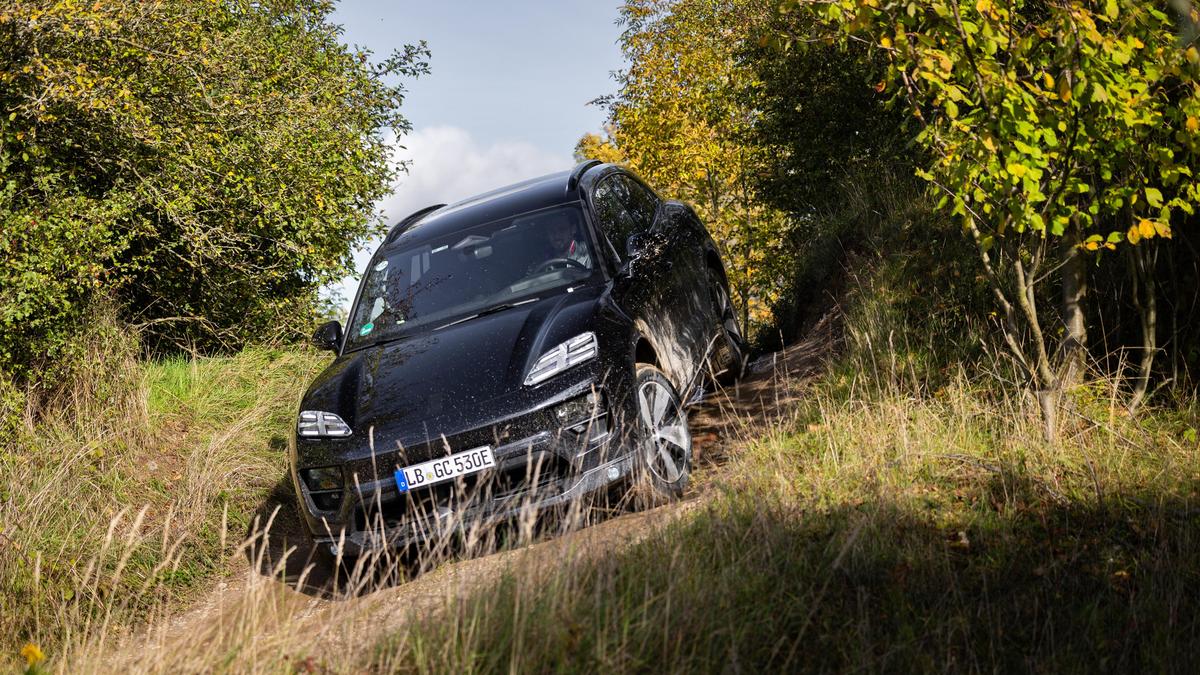
The Macan emerged as Porsche’s top-selling model, with 84,328 units sold. Notably, the second-generation electric Macan contributed 45,367 sales, accounting for 53.8 percent of the overall total. While this model has transitioned to an electric-only offering in numerous markets, including Europe and Australia, the petrol-powered first-generation version remains available in select regions, such as the USA.
Despite the overall sales decline, the Macan and the iconic 911 were the only models to see slight increases in sales last year. The Cayenne, which previously held the title of Porsche’s best-selling model, saw a decrease in sales due to a “catch-up effect” from the previous year. Additionally, production of the 718 Boxster/Cayman ended in October 2025 prior to the launch of a much-anticipated electric replacement. The Taycan, Porsche’s electric sedan, faced a notable decline in sales, attributed primarily to a slowdown in the adoption of electric vehicles.
Porsche’s commitment to electrification is evident, as 22.2 percent of its sales were electric vehicles, while 12.1 percent were plug-in hybrids. This means that electrified vehicles constituted 34.4 percent of total sales, reflecting a 7.4 percent increase from the previous year. In Europe, approximately one-third of all Porsche sales were electric, with electrified vehicles making up 57.9 percent of sales in the region.
Regional Sales Insights
While global sales were down, Porsche’s performance in North America was relatively stable, with a minor decline of just 312 units. In the category of “Overseas and Emerging Markets,” which includes Australia, sales fell by only 559 units. In Australia specifically, sales dropped 27 percent to 5,133 units, with all model lines except the Panamera, which rose 24.2 percent to 82 units, experiencing declines.
Conversely, the situation in Europe was less favorable, with sales plummeting by 13 percent and 16 percent in Germany. Porsche attributed these drops to the cessation of production for the 718 Boxster/Cayman and the interim gap between the release of the Macan EV and the discontinuation of the first-generation Macan due to EU cybersecurity regulations.
In China, Porsche reported an alarming 26 percent decline in sales, citing “challenging market conditions” in the luxury sector and “intense competition” within the electric vehicle market. The company also emphasized its “value-oriented sales” approach, which reflects a commitment to maintaining vehicle pricing without discounts. This strategy indicates that sales figures may take time to rebound in China and other regions, as Porsche prioritizes quality over volume.
In conclusion, 2025 proved to be a challenging year for Porsche as it navigated fluctuations in sales and market dynamics. While the company continues to push towards a more electrified future, the road ahead may require strategic adjustments and careful management to regain its footing in a competitive landscape.
