



































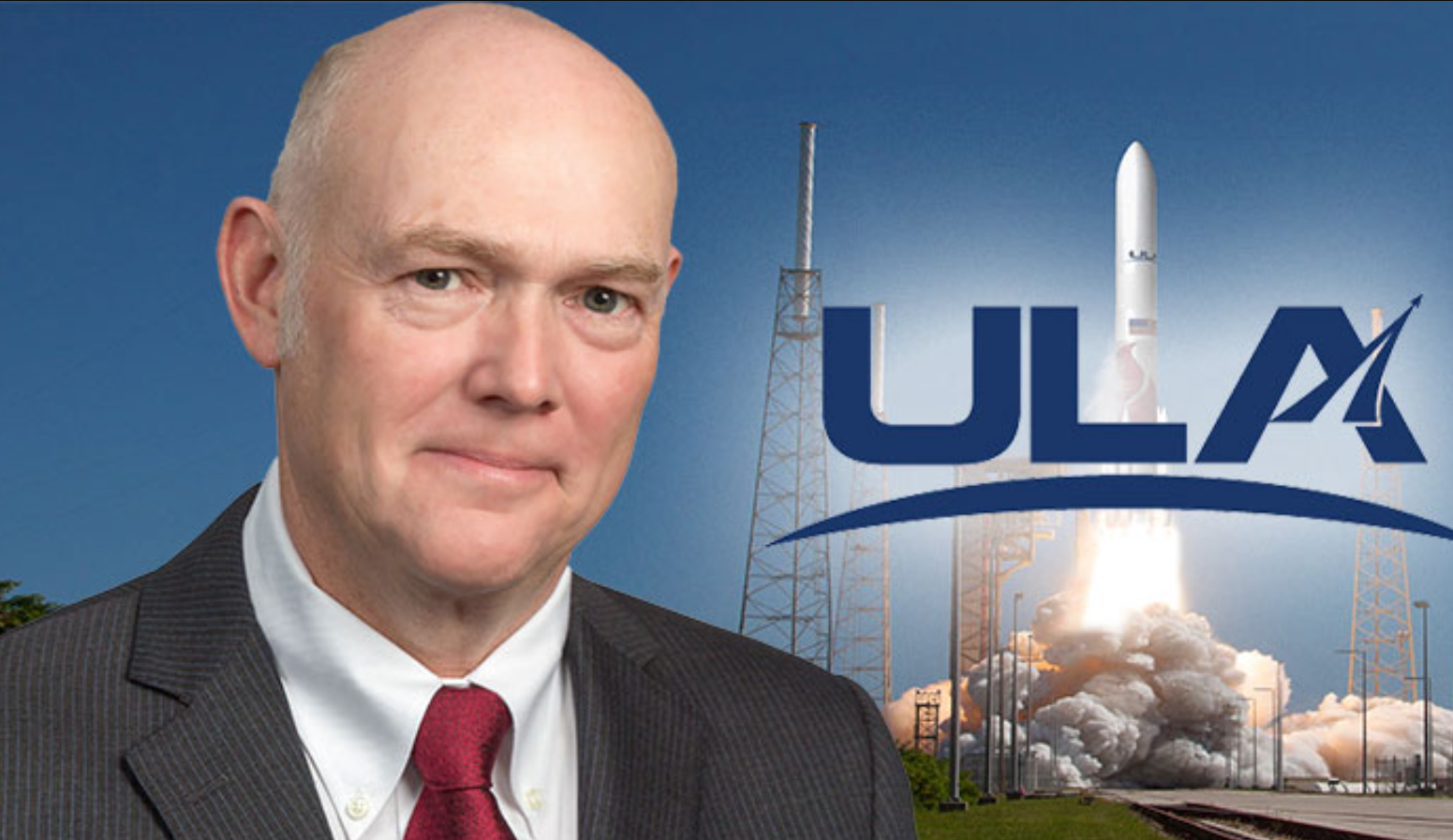
Tory Bruno has stepped down as President and CEO of United Launch Alliance (ULA) after nearly 12 years at the helm. His resignation, announced today, comes as he prepares to pursue a new opportunity, though details regarding this next step have yet to be disclosed. The announcement was made via a joint statement from ULA Board Chairs Robert Lightfoot of Lockheed Martin and Kay Sears of Boeing, who expressed gratitude for Bruno’s leadership during a transformative period for the company.
Effective immediately, John Elbon has been appointed as the Interim CEO, while Mark Peller has been named the new Chief Operating Officer. The board has expressed confidence in Elbon’s ability to sustain ULA’s momentum, particularly as the company approaches significant milestones with its next-generation Vulcan Centaur rocket.
Bruno’s Legacy at United Launch Alliance
Bruno’s departure marks a pivotal change for ULA, which he joined in August 2014. At that time, the company faced numerous challenges, including fierce competition from SpaceX and escalating launch costs. Under his leadership, ULA managed to navigate these obstacles effectively, achieving an impressive track record of mission successes across various launch vehicles, including the Atlas V and Delta IV rockets.
With a background in aerospace engineering and experience at Lockheed Martin, Bruno was well-equipped to tackle the pressing issues ULA faced. He earned a bachelor’s degree in mechanical engineering from California Polytechnic State University, San Luis Obispo, and pursued further studies at prestigious institutions such as Harvard University and Santa Clara University. His career at Lockheed began in 1984, where he quickly advanced through various roles, including significant positions in missile defense systems.
Bruno’s leadership saw ULA maintain a high success rate in orbital insertions while overseeing a series of launches supporting critical NASA missions, U.S. military payloads, and commercial satellites. Notably, he championed the development of the Vulcan Centaur rocket, designed to replace the Atlas V and Delta IV as well as reduce reliance on Russian RD-180 engines. This new heavy-lift rocket, powered by Blue Origin’s BE-4 engines, represents ULA’s commitment to innovation in a rapidly evolving space launch market.
Future Directions for ULA
Bruno’s tenure also included efforts to modernize ULA’s corporate culture and enhance its public image. He became known for his engaging presence on social media, frequently sharing insights into technical developments and advocating for advancements in space exploration. His posts often highlighted the company’s launch accuracy and showcased its successes through creative graphics.
While ULA searches for a permanent CEO, the company remains focused on its upcoming Vulcan missions. It has been actively expanding production capabilities at both Cape Canaveral in Florida and Vandenberg Space Force Base in California to accommodate an increasing launch cadence. With the space industry evolving and competition intensifying, ULA is poised to continue its legacy as a leading provider of launch services, ensuring that the groundwork laid by Bruno paves the way for future achievements in space exploration.
