



































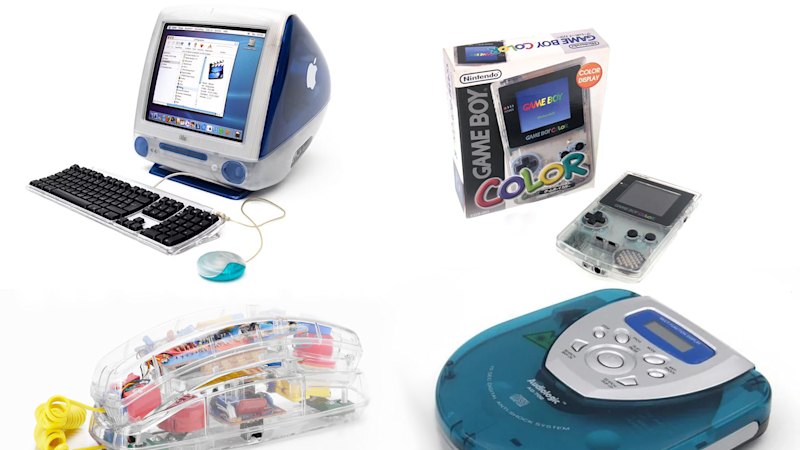
The aesthetic of transparent technology is experiencing a revival, reminiscent of the late 1990s when gadgets boasted see-through plastic designs. As consumers seek familiarity in an increasingly digital age, tech companies are embracing this nostalgic trend, reviving styles that once defined personal devices. Iconic examples from that era include the Apple iMac G3 and Nintendo’s Game Boy Color, both of which showcased their internal components, symbolizing transparency and simplicity.
This resurgence comes at a time when technology has become less tangible. As sophisticated systems and small chips have replaced bulky hardware, many consumers feel disconnected from their devices. The current wave of transparent gadgets aims to bridge this gap, grounding users in a physical reality that contrasts sharply with today’s digital, often intangible, experiences.
Modern Interpretations of Transparency
Innovative firms are reimagining the transparent aesthetic for contemporary products. The British tech company Nothing is leading this charge with devices featuring transparent panels that reveal screws, circuit traces, and design elements that enhance visual appeal rather than functionality. Their Headphone (1) model exemplifies this trend, combining a nostalgic feel with modern design sensibilities.
Audio technology has particularly embraced this trend. Major brands like Beats and Sony have launched see-through earbuds, allowing users to appreciate both the technology and the clarity of sound. Audio Technica has even produced a transparent turntable, catering to vinyl enthusiasts who appreciate the aesthetics of their audio equipment.
Drones and home appliances have also joined the movement. DJI introduced a see-through robot vacuum cleaner, reflecting confidence in cleanliness while showcasing its internal design. Meanwhile, gaming accessory maker Razer has released updated versions of several popular gadgets with transparent casings, highlighting vivid internal lighting that adds to their appeal.
Charlie Bolton, Razer’s global head of design, noted the challenges in producing transparent devices. He explained that achieving a high-quality look requires careful consideration of materials and design elements. “If you do it badly, it can look very cheap,” he stated, emphasizing the delicate balance between aesthetics and functionality.
Nostalgia Meets Modernity in Gaming
The gaming industry has seen a particularly strong embrace of transparent designs. Products designed to evoke a boutique or retro feel are becoming increasingly popular. Modern versions of classic consoles, such as the PlayStation and Nintendo 64, are being re-released with transparent finishes reminiscent of the special editions from the ’90s. Enthusiasts building custom Game Boys often revert to transparent designs, reinforcing the enduring appeal of this aesthetic.
Australian modder Natalie the Nerd has even taken this trend to new heights by creating a transparent circuit board for her custom gaming machine, pushing the boundaries of transparency in tech. Additionally, the Commodore 64 Ultimate, a modern recreation of the classic computer, is available in a fully transparent option, featuring LEDs that illuminate its internal components.
This blend of nostalgia and modern functionality suggests a broader desire for transparency in technology, paralleling a societal inclination towards trust and authenticity in the devices we use.
As the technology landscape continues to evolve, the return of transparent gadgets signifies a yearning for a simpler, more tangible connection to our tools. With brands increasingly tapping into the visual appeal of transparency, it is clear that this trend is more than just a fleeting moment; it represents a fundamental shift in how we perceive and interact with technology.
