



































More than 145 countries have reached an agreement to amend the 2021 global minimum corporate tax framework. This update addresses concerns from the United States that the original rules may have disadvantaged American multinational companies. The Organisation for Economic Cooperation and Development (OECD) announced that the revised package maintains the 15 percent global minimum tax rate, which aims to ensure that large multinationals pay a baseline tax in all jurisdictions where they operate.
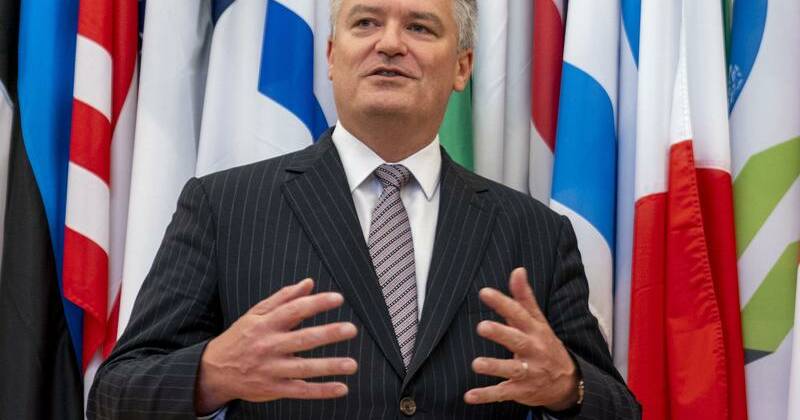
The amendments include simplifications and specific carve-outs designed to align US tax laws with international standards. These changes respond to earlier objections raised by the administration of former President Donald Trump. Mathias Cormann, the OECD’s Australian head, stated that this arrangement “enhances tax certainty, reduces complexity, and protects tax bases.”
As of October 2023, over 65 countries have begun implementing the initial global tax agreement, which mandates a 15 percent corporate tax or a top-up levy on multinationals that report profits in jurisdictions with lower tax rates. The updated agreement strengthens global support after the G7 countries, including the United States, reached a deal in June that exempted certain US companies from portions of the original framework.
The revised pact emerged following US pressure on holdout countries to endorse the updated arrangement, helping to stabilize the global deal. The agreement’s future faced uncertainty earlier this year when Trump criticized the 2021 deal negotiated by the administration of his successor, Joe Biden, calling it inapplicable to the US. Trump’s administration had threatened retaliatory taxes against countries imposing levies on US firms under the original agreement.
This agreement signifies a crucial step in international tax reform, reflecting a collective commitment to create a more equitable tax environment for multinational corporations. The OECD’s efforts to streamline global tax rules aim not only to enhance compliance but also to prevent profit shifting to low-tax jurisdictions, thereby ensuring that tax revenues are more evenly distributed worldwide.
