



































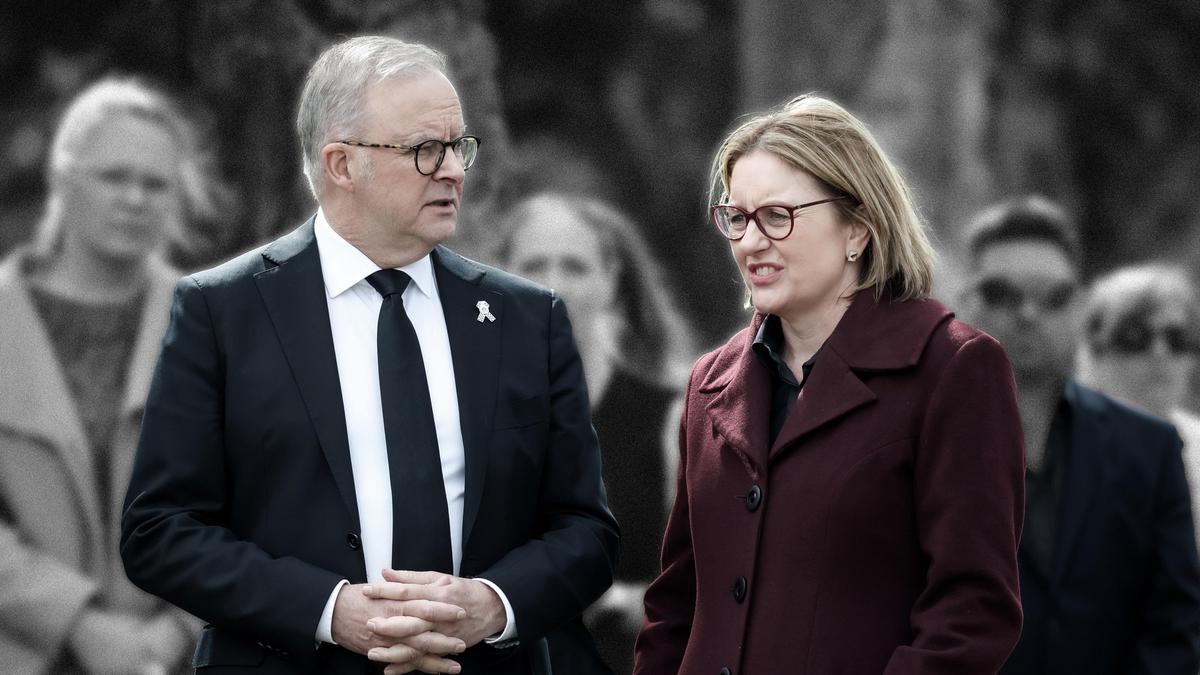
UPDATE: Prime Minister Anthony Albanese has just announced his support for Melbourne’s highly contentious Suburban Rail Loop, a project estimated to cost between $300 billion and $400 billion. This move is stirring significant debate as critics warn it could plunge the already struggling Victorian government deeper into debt and raise concerns about corruption in public policy.
The announcement comes at a crucial time when the Victorian government, led by Premier Jacinta Allan, faces mounting financial challenges, with the state reportedly owing $2.50 for every dollar it collects in revenue. Experts are questioning whether the proposed rail loop will deliver adequate benefits to justify its exorbitant costs. The Parliamentary Budget Office of Victoria claims that every dollar spent could yield only 50 cents in return, raising alarms about the project’s viability.
Critics, including Stephen Anthony, argue that the project resembles a scheme benefiting construction unions and large contractors rather than addressing the pressing needs of Victorians. “This is not an investment; it’s a charity with a train set attached,” Anthony stated, emphasizing the urgent need for the government to prioritize essential services over grand infrastructure projects.
Local communities are feeling the strain as Victoria grapples with crumbling roads and overwhelmed hospitals. Residents are demanding that their government focus on immediate needs rather than what they view as a “gold-plated orbital railway.” The sentiment is echoed by some members of the Labor party, who question the practicality of the rail loop amidst the state’s fiscal crisis.
Moreover, the Fair Work Commission has raised serious concerns about potential corruption linked to the CFMEU, indicating that union members with ties to organized crime may have infiltrated the project. This revelation underscores the urgency for transparency and accountability, with calls for a royal commission into how large infrastructure projects are awarded.
As the debate intensifies, experts warn that failure to address these issues could lead to a slippery slope where state-sponsored corruption becomes normalized, jeopardizing public trust. Critics fear that if taxpayers are forced to bail out Victoria’s financial missteps, other states may follow suit, leading to a national crisis in infrastructure spending.
Next Steps: Albanese is urged to take decisive action by launching a full investigation into the awarding of the Suburban Rail Loop contracts and making all relevant documents publicly available. If the project truly offers significant benefits, advocates argue that transparency will prove it.
As this situation develops, residents and taxpayers alike are left to ponder whether this ambitious rail project is genuinely in the public interest or merely a costly venture benefiting a select few. The coming days will be critical as more voices join the conversation and the implications of this project unfold.
This is a defining moment for Australia, and citizens are encouraged to stay informed and engaged as the discussion around the Suburban Rail Loop continues.
