



































A tragic attack during a Hanukkah event in Bondi has left at least 15 people dead and many more wounded. The incident, characterized as an act of antisemitic terrorism linked to Islamic fundamentalism, has ignited a political firestorm in Australia. The actions of a local hero, Ahmed al-Ahmed, who intervened during the attack, serve as a reminder that many Muslims oppose such violence and contribute positively to society.
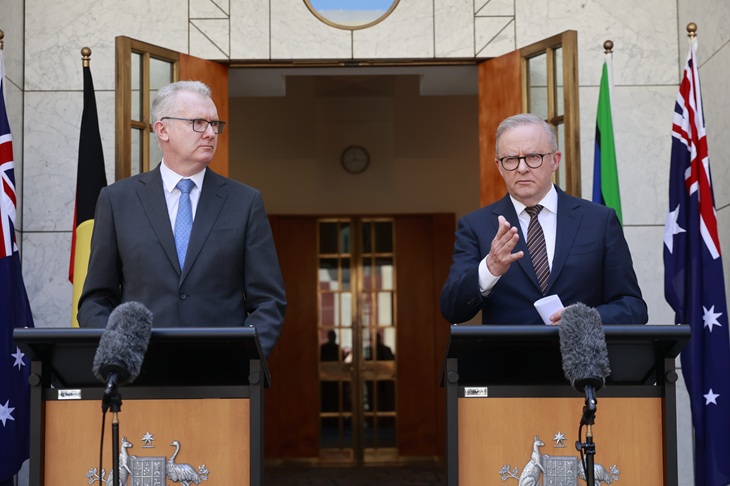
In the aftermath of the attack, Prime Minister Anthony Albanese faced criticism for his response, which initially focused on gun control rather than addressing the root issues of antisemitism and Islamic extremism. Albanese’s call for stricter gun laws appeared to some as an attempt to divert attention from the deeper concerns surrounding the attack. Critics, including former Treasurer Josh Frydenberg, condemned the Prime Minister for failing to confront the rise of antisemitic sentiment and for fostering an environment where such violence could occur.
Political Fallout from the Bondi Attack
Frydenberg emphasized that the government’s inaction allowed a climate of hostility towards Jewish communities to develop. He argued that repeated calls for an intifada—a term associated with violent uprisings—have created a dangerous context that emboldens individuals to act violently against Jewish people. The owner of Avner’s Bakery commented on how the Overton window has shifted, suggesting that societal attitudes have changed to the point where attacks on Jewish individuals are viewed as justifiable by some.
While Albanese could not have directly prevented the Bondi massacre, his government has been accused of fostering a climate where such incidents are more likely. As former Deputy Prime Minister Barnaby Joyce noted, Albanese’s government is now trying to address an issue that should have been contained earlier.
In response to the massacre, Albanese’s government has opted for a crackdown on anti-Jewish messaging, which many view as a hasty and heavy-handed approach. The details of this initiative remain unclear, with some measures aimed at censoring hate speech. Critics argue that censorship can lead to resentment and may backfire, suggesting that a more educational approach would have been more effective.
Gun Control Measures and Public Perception
The move to strengthen gun laws has also raised eyebrows. Australia already has stringent gun control measures in place, and critics suggest that the focus should be on addressing specific gaps rather than overhauling the system entirely. Reports indicate that one of the alleged perpetrators may have slipped through existing regulations, prompting calls for minor adjustments.
As the government seeks to be seen as proactive in light of the attack, some believe this redirection is an attempt to avoid confronting the underlying issue of Islamic extremism. This reluctance may stem from fears of losing voter support, raising questions about the government’s perception of its constituents.
The Bondi attack has exposed the complexities of Australian society’s struggle with rising antisemitism. The quick political reactions emphasize a desire to respond decisively, but they may overlook the necessity of addressing the root causes of such violence. The net effect could be a chaotic response that fails to adequately confront the factors that led to this tragic event.
