



































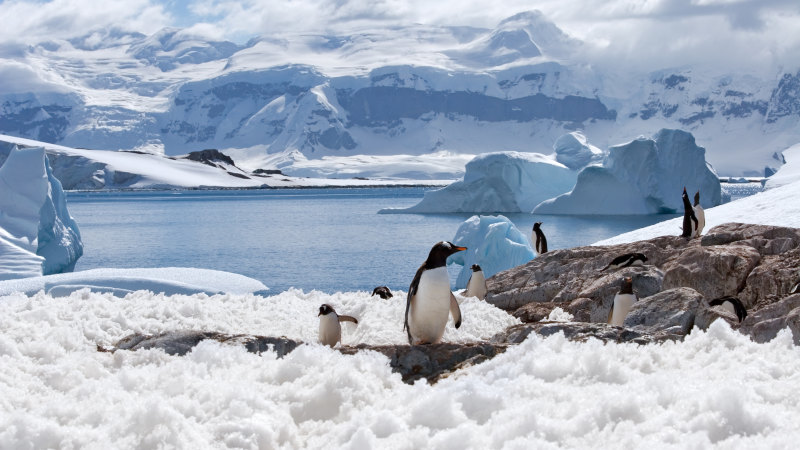
URGENT UPDATE: New data reveals that the Arctic and Antarctic are experiencing unprecedented climate changes that could have devastating global repercussions. Just announced by the United Nations on July 15, 2023, these polar regions are warming at an alarming rate, with temperatures expected to rise by up to 2 degrees Celsius above pre-industrial levels.
This rapid warming is not merely a scientific concern; it poses an immediate threat to coastal communities worldwide. As ice continues to melt, rising sea levels could displace millions, making this issue one of the most pressing challenges of our time. The latest report highlights that by 2050, over 150 million people could be affected by climate-induced migration.
The melting ice caps are disrupting marine ecosystems, endangering species that rely on stable ice conditions for their survival. Authorities confirm that marine life is already being impacted, with significant declines in fish populations reported. This disruption threatens the livelihoods of communities that depend on fishing and related industries.
The United Nations is calling for immediate action to combat these changes. “We are at a critical juncture,” stated UN Secretary-General António Guterres.
“If we do not act swiftly, we risk losing our planet’s delicate balance.”
This passionate plea underscores the urgency of the situation as countries prepare for the next global climate summit.
As the world watches these developments unfold, experts urge governments to implement sustainable practices and invest in renewable energy sources. The stakes have never been higher, and immediate action can mitigate some of the impending disasters.
Looking ahead, the next few months will be crucial. Policymakers are set to meet in September for a major climate conference where these urgent issues will be front and center. Citizens globally are encouraged to engage in discussions about climate action, as public awareness and pressure can significantly influence governmental policies.
Stay tuned for updates on how these changing climates will affect not just the polar regions but the entire planet. The time to act is now — for our Earth, for our future.
