



































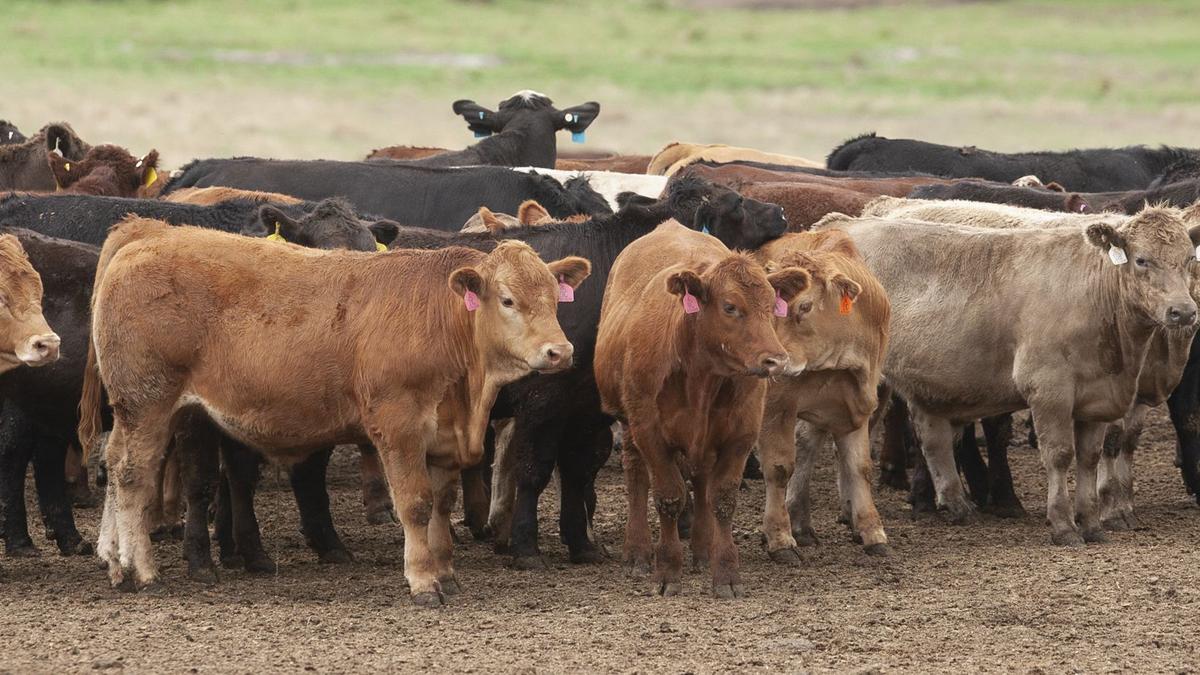
UPDATE: Just hours before welcoming 2026, Australia received shocking news as China announced new trade restrictions on foreign beef imports. Effective January 1, 2026, these restrictions will impose a strict annual cap of 205,000 tonnes on Australian beef, with any additional shipments facing a staggering 55 percent tax.
This unexpected move is set to cost the Australian beef industry an estimated $1 billion annually, following a tumultuous year in 2025. Although Australian beef exports reached a record 1.5 million tonnes last year, the new trade barriers threaten to disrupt this momentum significantly.
Chinese authorities justified the new quotas as “safeguard measures” aimed at protecting domestic producers, stating, “The increase in the amount of imported beef has seriously damaged China’s domestic industry.” The Chinese Commerce Ministry confirmed these caps will last for three years, gradually easing over time.
The implications of these restrictions extend beyond economic figures. Australian Prime Minister Anthony Albanese emphasized that this announcement affects all exporters, not just Australia. “Australian beef is, in my view, proudly the best in the world,” he stated, expressing confidence in the global demand for Australian products. However, the industry now faces a critical challenge—whether the demand from China, which accounts for 17 percent of Australia’s total beef exports, can withstand these new taxes.
Despite the challenges, Albanese’s administration has made strides in mending relations with China, which has historically been Australia’s most significant trading partner. The Prime Minister noted, “One of the triumphs of my prime ministership has been normalizing Australia’s relationship with China.”
As tensions rise, industry experts are bracing for a storm. The Australian Meat Industry Council is already expressing concerns, highlighting how this sudden shift may disrupt a previously thriving sector.
Looking ahead, stakeholders will be closely monitoring how these restrictions impact not just exports, but also local beef producers and the broader Australian economy. The upcoming months will be crucial in determining the future of Australian beef in the global market.
As the situation develops, observers are urged to stay updated on this evolving trade landscape that could redefine Australia’s beef industry for years to come.
