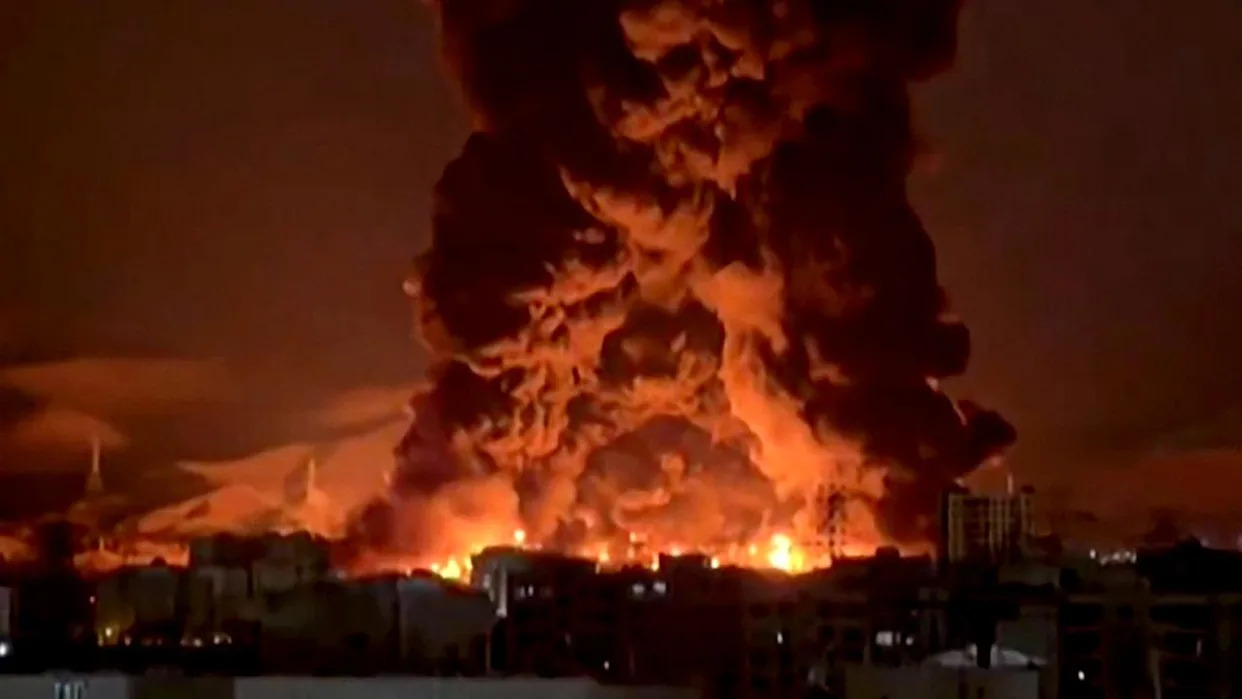
The Australian government has issued an evacuation order for the families of its diplomats stationed in the United Arab Emirates (UAE) due to escalating military conflict in the Middle East. The directive follows a series of retaliatory strikes by Iran, targeting locations in at least 12 countries, including the UAE, Bahrain, Iraq, Saudi Arabia, Oman, Jordan, and Israel. This surge in hostilities was triggered by a joint US-Israeli military operation on February 28.
In a statement released overnight, Australian Foreign Minister Penny Wong confirmed the decision, noting that the situation had become increasingly precarious. “We continue to advise Australians not to travel to the UAE,” she stated, emphasizing the need for the dependants of Australian officials to leave the country due to the “deteriorating security situation.”
As part of this response, the government has updated its travel advice and is actively working to facilitate the safe return of Australians still in the region. More than 1,800 Australians have returned home on 12 direct flights from the UAE, but over 100,000 remain stranded in the area. Wong highlighted that the government is engaging with airlines and reaching out to Australians registered with the Department of Foreign Affairs and Trade (DFAT) when flights become available.
Smartraveller, the Australian government’s travel advisory service, has raised its alert level, citing the “volatile security situation in the region” as a primary concern. The advisory warned that UAE airspace may close unexpectedly, affecting flight operations at major airports in Dubai and Abu Dhabi.
“Retaliatory strikes are occurring across the Middle East region following military strikes on Iran,” the Smartraveller update stated. “Military conflict in the region may result in widespread movement restrictions and other travel disruptions.”
Australians currently in the UAE are urged to prioritize their safety, monitor local developments, and adhere to official advice. The advisory recommends that individuals be aware of their surroundings and avoid locations associated with government, military, or energy infrastructure. This includes oil production facilities and US diplomatic sites, which may be potential targets for attacks.
“If warned of an imminent attack, move to an enclosed hardened shelter, ideally underground or close to ground level if available,” Smartraveller advised. “If these are not available, seek an inner room without windows.”
The advisory also encourages Australian citizens, permanent residents, and their immediate family members to register with DFAT’s online portal to receive updates and emergency information directly from the government. Travelers are reminded to consider commercial options for departure if safe travel to departure points can be secured.
Finally, the travel authority stressed the importance of being prepared, advising individuals to ensure they have access to essential items such as food, water, and medications.
As the situation continues to evolve, Australian officials are working diligently to ensure the safety of their citizens and facilitate their return home amid the ongoing conflict.