



































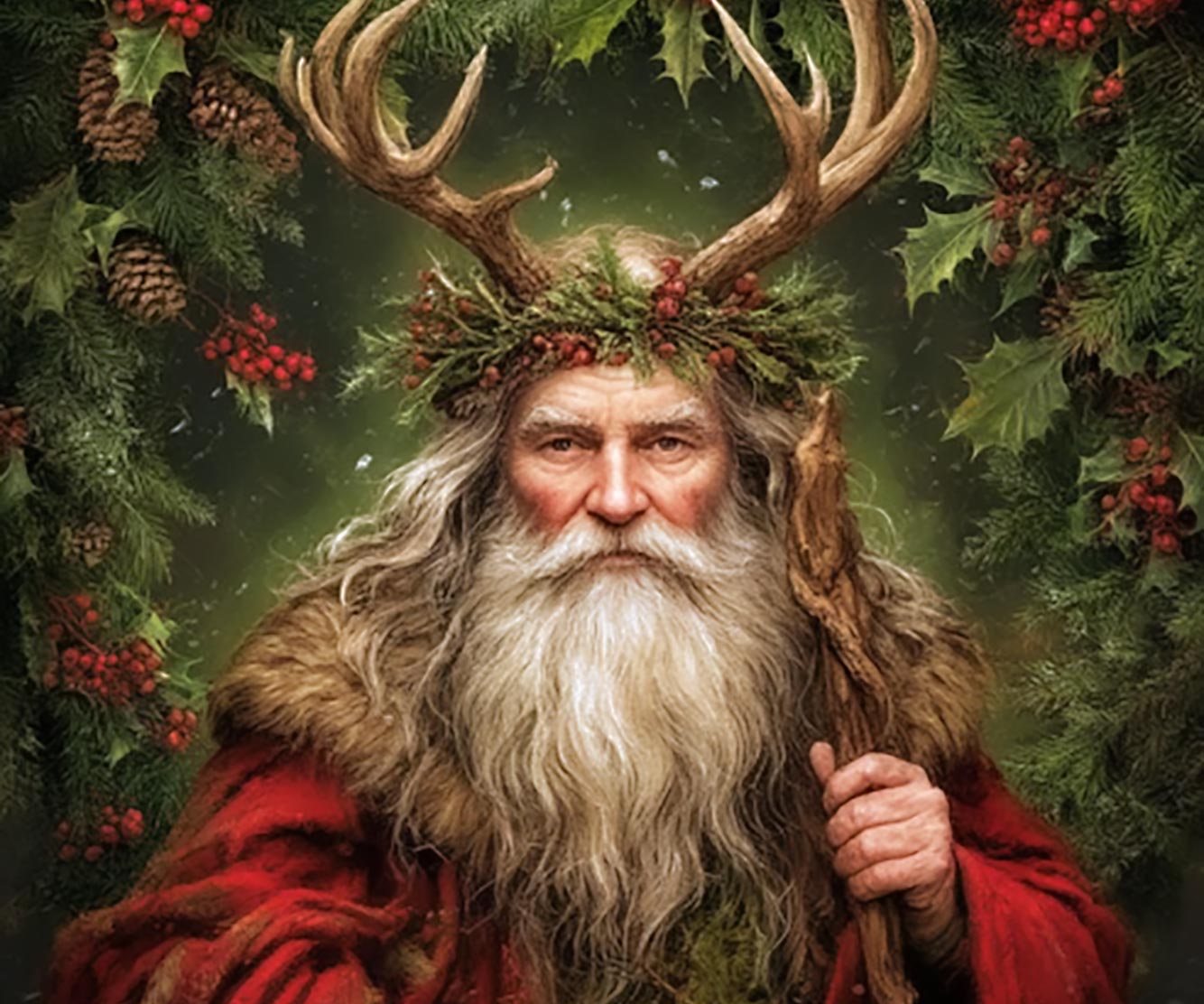
UPDATE: As the holiday season winds down, a fascinating exploration of Christmas origins is capturing attention. Historian Charles Boyle dives deep into the rich tapestry of traditions surrounding the festival, revealing how the figure of Santa Claus evolved through centuries of cultural influence.
Christmas, celebrated on December 25, has transformed into the world’s most popular festival, yet its roots are steeped in ancient history. The date itself was officially chosen by the Roman Emperor Constantine in 380 CE to coincide with the pagan celebration of ‘Sol Invictus’—the Birthday of the Unconquered Sun. This strategic move replaced ancient sun worship with the birth of Jesus Christ, known as the “Light of the World.”
The transition from pagan rituals to Christian celebrations marks a significant chapter in the history of Christmas. Northern European Celts honored the Winter Solstice, a time for communal gatherings and gift-giving, under the influence of the Horned God, Cernunnos. This ancient deity, associated with nature and rebirth, laid the groundwork for the festive traditions we recognize today.
With the Viking expansion around 950 CE, King Haakon the Good mandated that Yule and Christmas be celebrated together on December 25. This fusion of traditions led to the enduring celebration of Yuletide, a time when communities gathered to feast and sing, echoing the ancient customs that have survived through the ages.
Despite centuries of invasions and cultural shifts, Cernunnos did not disappear. He morphed into Father Christmas, a figure who represents festive cheer but was originally more mischievous than benevolent. Known for his playful nature, Father Christmas was primarily concerned with adult revelries, a stark contrast to the modern image of Santa Claus.
The transformation continued as the figure of Father Christmas blended with the legacy of St Nicholas, a 4th-century bishop renowned for his acts of generosity. The Dutch version of St Nicholas, known as Sinterklaas, became integral to Christmas traditions in New Amsterdam—now New York—where the two figures merged into the jolly Santa Claus we recognize today.
This evolution reflects broader themes of cultural adaptation and the blending of diverse traditions. As we celebrate today, the legacy of Cernunnos still influences our holiday spirit, reminding us of the ancient customs that shape our modern festivities.
As this exploration of Christmas origins unfolds, it challenges us to reflect on the stories and symbols that enrich our celebrations. Whether you choose to embrace the historical truths or the enchanting tales, the spirit of giving and joy remains central to the season.
With the holiday season now behind us, many are left pondering the significance of these traditions. The journey from ancient rituals to the contemporary celebration of Christmas highlights the profound impact of history on culture.
Next Steps: As we look ahead, consider how these traditions will evolve in future celebrations. The interplay of history and culture continues to shape our holiday experiences, inviting us all to engage with the deeper meanings behind the festivities.
Merry Christmas to all! This season, as we gather with loved ones, let us honor the rich heritage that informs our celebrations and the universal messages of peace, love, and joy that transcend time and tradition.
