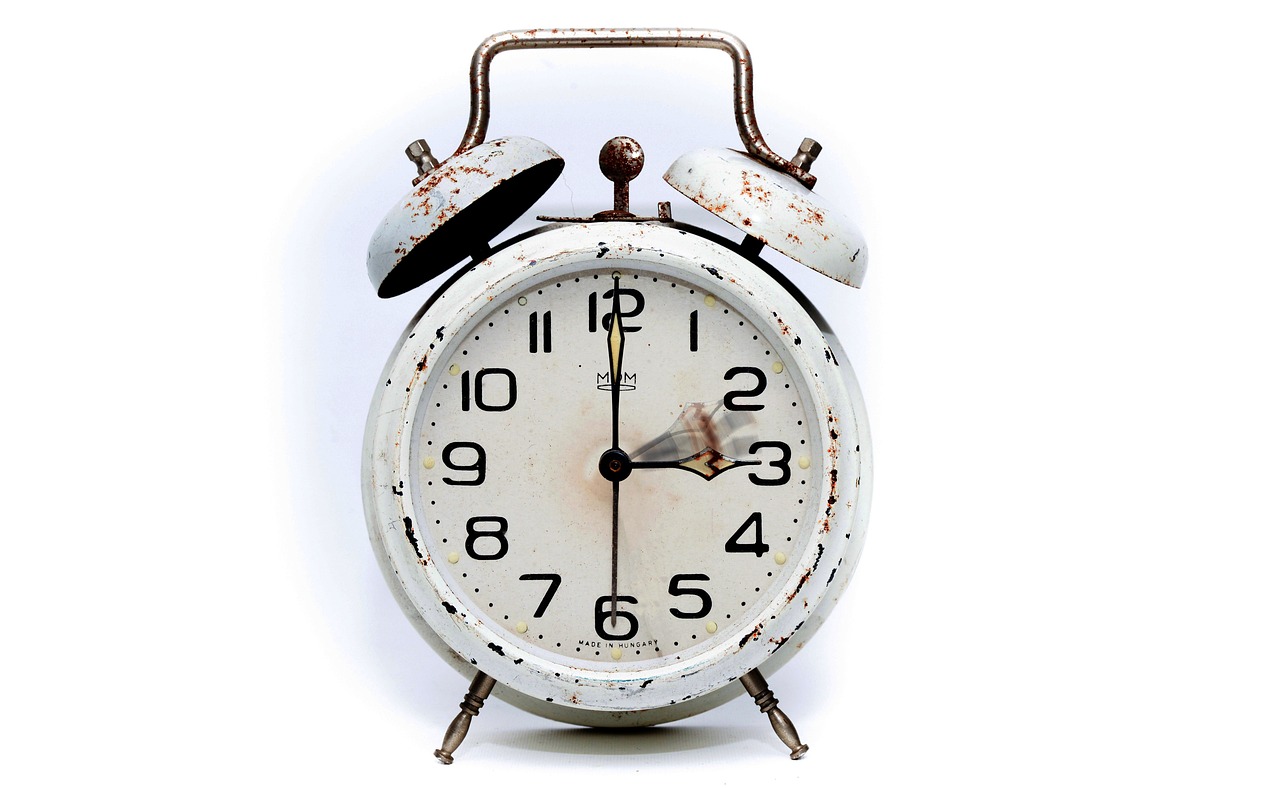
UPDATE: Daylight Saving Time officially commenced today, March 8, 2026, at 2 a.m. local time across most of the United States, prompting clocks to spring forward one hour. This transition, while providing longer evenings, comes at the cost of one hour of sleep for millions of Americans.
As the clock struck 3 a.m., cities like New York experienced sunset shifting from 5:50 p.m. to approximately 6:50 p.m., allowing more daylight hours for outdoor activities. This annual change, established by the Energy Policy Act of 2005, will remain in effect until November 1 when clocks return to standard time.
The U.S. Naval Observatory confirmed this transition, noting a significant delay in both sunrise and sunset times. Health experts are already warning of short-term risks associated with sleep deprivation, including increased chances of heart attacks and traffic accidents in the days following this shift. The urgent reminder to set clocks ahead and check smoke detectors was echoed by officials as Americans adjust to the time change.
While most states participated in the spring forward, Hawaii and most of Arizona, along with U.S. territories like Puerto Rico and Guam, remained on standard time. Arizona’s exemption dates back to a 1968 law, while Hawaii’s decision is influenced by its geographical location.
The debate surrounding Daylight Saving Time rages on. At least 19 states, including Florida, have passed legislation to adopt permanent daylight saving time, pending federal approval. Bills like the Sunshine Protection Act have failed to advance despite bipartisan support, leaving many to wonder if this will be the last time they set their clocks forward.
Internationally, most of Canada followed the U.S. lead today, while the United Kingdom and Europe will shift their clocks on March 29. Critics of the current system claim it disrupts sleep patterns and affects productivity, particularly in farming communities and those in western time zones.
As Americans navigate this annual ritual, many utilized technology to ease the transition, with apps and smart devices automatically adjusting the time. However, manual clocks still require personal attention, leading to the familiar scramble for instructions.
The arrival of longer evenings coincides with the onset of meteorological spring, which began on March 1, and the upcoming vernal equinox set for March 20, 2026. With warmer temperatures on the horizon, extended daylight is expected to boost recreational activities, from sports to gardening.
Looking ahead, the end of Daylight Saving Time on November 1 will bring a return to standard time, shortening afternoons but offering earlier sunrises. As Americans adapt to these changes, the familiar phrase holds true: spring forward, fall back. Whether this will be one of the last reminders of its kind remains to be seen as Congress evaluates future legislation.
Stay tuned for further updates as the conversation around Daylight Saving Time continues to unfold.