



































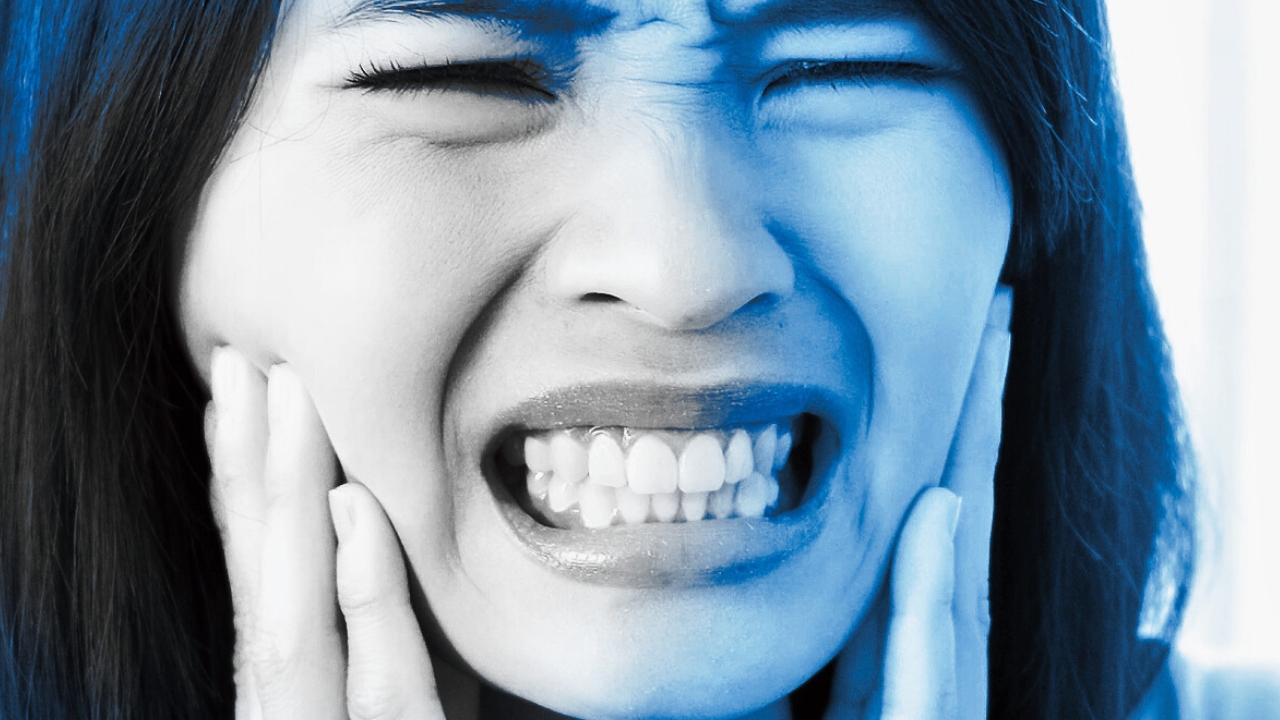
Many individuals grind or clench their teeth—known as bruxism—often without realizing it. This involuntary action can occur both day and night, affecting a significant portion of the population. According to dental experts, it is essential to recognize the signs and seek help, as persistent grinding can lead to various health issues.
Understanding the mechanics of teeth grinding is crucial. When a person grinds or clenches their teeth, they activate their chewing muscles, resulting in the bottom jaw being thrust forward while the teeth come together or grind against one another. Research indicates that nearly one in six individuals grind their teeth during sleep, while one in four do so while awake. The sound produced during sleep can be distinctive, often alerting partners to the issue.
Mild or occasional grinding may not pose immediate health risks. However, frequent and forceful clenching can lead to a range of problems, including wear and tear on teeth, jaw joint issues, and muscle pain. These complications can disrupt sleep and lead to conditions such as tension headaches or ear pain, which may become increasingly painful and costly to manage over time. In severe cases, excessive grinding can result in fractured or cracked teeth.
Identifying the underlying causes of bruxism often involves examining a mix of physical, mental, and lifestyle factors. Individuals experiencing stress, anxiety, or sleep disturbances are more likely to grind their teeth. Additionally, there is a notable connection between bruxism and sleep apnea, a condition that interrupts normal breathing patterns during sleep. This interruption can lead to reduced oxygen levels, triggering stress hormone release, increased heart rate, and muscle spasms that exacerbate grinding.
Dentists play a vital role in diagnosing bruxism. During consultations, they will review any relevant health issues, medications, and symptoms experienced by the patient, such as jaw pain or headaches. A thorough examination of the teeth can reveal signs of wear, chipping, or unusual patterns that may suggest conditions like acid reflux, which can further deteriorate dental health.
Fortunately, clenching and grinding are manageable conditions. Healthcare professionals can assist in identifying causes and managing symptoms. For instance, doctors may evaluate medications and investigate conditions like reflux, arthritis in the jaw, or sleep apnea. Individuals suspecting they might have sleep apnea may be advised to undergo a polysomnograph test, the standard assessment for diagnosing sleep disorders.
Beyond medical intervention, physiotherapists specializing in jaw pain can provide tailored exercises and stretches to alleviate symptoms associated with jaw locking, clicking, or tension headaches. Pain-relief medications may also offer some relief. Dentists often recommend custom-made night guards or occlusal splints to protect the teeth from wear and reduce muscle tension. These devices, similar to sports mouth guards but smaller, can significantly help those affected by bruxism.
In cases where these measures do not alleviate symptoms, some individuals explore the option of Botox injections to block signals that control jaw muscle movement, thus reducing both clenching and associated pain. It is important to note, however, that Botox treatment can be costly and may not work for everyone, requiring regular visits to a qualified practitioner.
Consulting with a doctor or dentist is the most effective way to address concerns about teeth grinding. While treatments such as physiotherapy, night guards, and pain medication focus on alleviating the symptoms, addressing the root causes—like stress management and establishing better sleep habits—remains essential. Simple lifestyle adjustments, including reducing caffeine and alcohol intake and creating a restful sleep environment, can significantly improve overall health and reduce the likelihood of grinding.
As emphasized by dental experts like Arosha Weerakoon, Senior Lecturer and General Dentist at the University of Queensland, and Amit Arora, Associate Professor in Public Health at Western Sydney University, understanding and addressing bruxism is vital for maintaining oral health and overall well-being.
