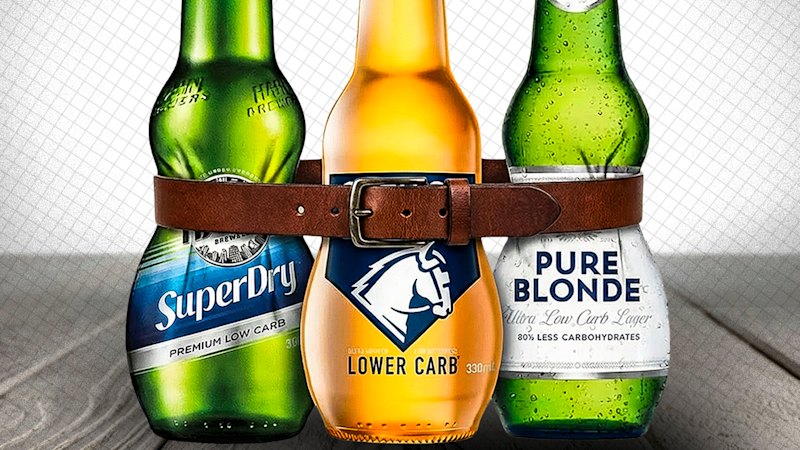
The increasing popularity of low-carb beers has prompted consumers to question whether these beverages offer significant health advantages over traditional beers. As more options flood the market, understanding the potential benefits and drawbacks of low-carb varieties is essential for making informed drinking choices.
Health Goals and Beer Choices
Low-carb beers typically contain fewer carbohydrates and calories than their standard counterparts. For instance, many low-carb beers boast around 3-5 grams of carbohydrates per serving, compared to 10-15 grams in regular beers. This difference can be appealing to those aiming to reduce their overall carbohydrate intake or manage their weight. However, the health implications can vary based on individual health goals and dietary requirements.
While low-carb beers may align with certain health objectives, the overall impact on health remains complex. According to a study published in the *Journal of Nutrition*, the consumption of any alcoholic beverage, regardless of type, can contribute to health risks when consumed excessively. Moderation is crucial, as excessive alcohol intake can lead to adverse health outcomes, including liver disease and increased risk of certain cancers.
Nutritional Comparisons and Alcohol Content
Beyond carbohydrates, the alcohol content in both low-carb and standard beers also plays a significant role in their health profiles. Most low-carb beers contain an alcohol by volume (ABV) ranging from 3.5% to 5%. In contrast, some regular beers have a higher ABV, which can lead to increased calorie consumption.
Consumers often assume that low-carb options are inherently healthier, but nutritional comparisons reveal that some low-carb beers may contain added sugars or artificial flavorings to enhance taste. These additives can negate some of the perceived health benefits. Research conducted by the American Heart Association highlights the importance of examining labels for overall nutritional content, rather than focusing solely on carbohydrate levels.
Furthermore, taste preferences play a critical role in consumer choices. Some drinkers may prefer the flavor profile of traditional beers, while others might enjoy the lighter taste of low-carb varieties. This subjective experience can influence drinking habits and overall enjoyment, which are important factors in public health discussions.
In conclusion, whether low-carb beers are a better option depends largely on individual health goals and preferences. While they offer lower carbohydrate options for those managing their intake, moderation in alcohol consumption is vital for health. As the market for these beverages expands, consumers are encouraged to consider their personal health objectives and make informed choices based on comprehensive nutritional information.