



































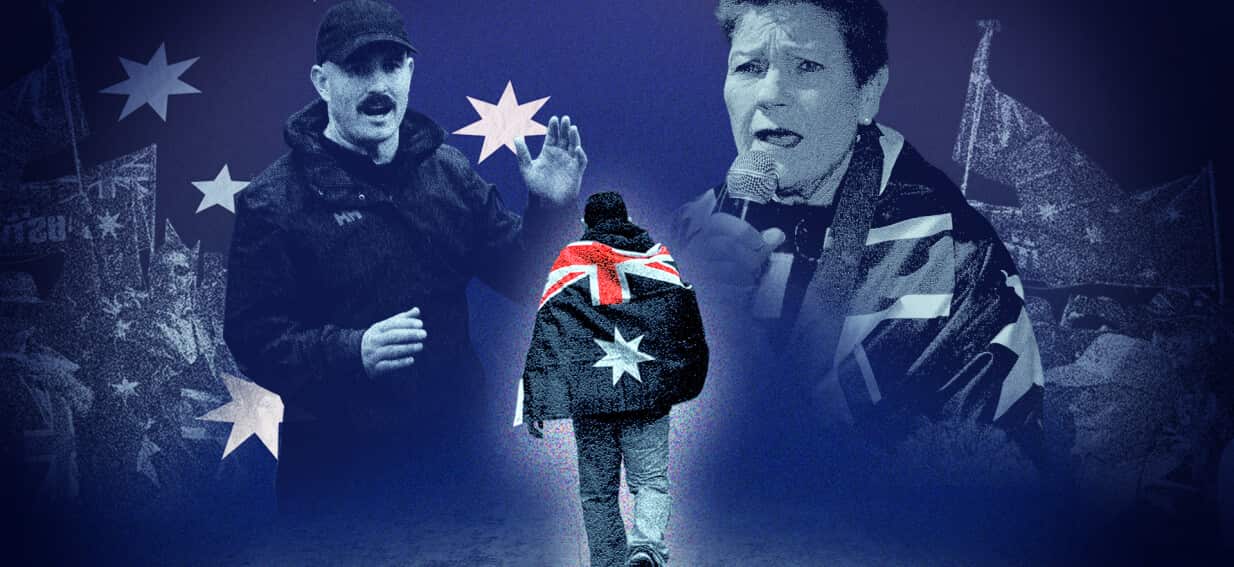
BREAKING: In a shocking turn of events, far-right groups have made significant inroads into Australian politics, securing seats in the Australian Senate during the recent elections held on March 15, 2025. This alarming development signals a dramatic shift in the nation’s political landscape, raising concerns about the rise of extremist ideologies within mainstream discourse.
The surge of far-right candidates, who have capitalized on growing discontent among voters, has transformed fringe movements into legitimate political players. These groups have not only increased their visibility but have also organized effectively, influencing public opinion and policy.
According to the latest electoral data, far-right parties have gained approximately 20% of the Senate seats, a stark increase from previous elections. This shift is attributed to a combination of aggressive campaigning, social media mobilization, and a strategic focus on key issues that resonate with the electorate, such as immigration and national security.
Officials warn that this growing presence in the Senate could have profound implications for Australian society. “This is a wake-up call for all Australians,” stated Dr. Emily Rodriguez, a political analyst at the Australian Institute for Democracy. “The normalization of far-right rhetoric threatens to undermine the values of inclusivity and diversity that define our nation.”
The emotional impact of this political shift is palpable. Numerous community leaders have voiced concerns about increased polarization and the potential for hate speech to gain traction in public forums. With far-right groups now holding seats in the Senate, there are fears that their agenda could influence legislation and public policy, shaping Australia’s future in a way that many find troubling.
As the country grapples with this urgent development, attention turns to how the government will respond. Will there be measures to counter the influence of these extremist views, or will they become an accepted part of the political fabric? The next few weeks will be critical in determining the trajectory of Australian politics.
In the coming days, experts and citizens alike will be closely monitoring Senate sessions to assess the far-right’s influence on policy discussions. Public forums and debates are expected to heat up as Australians express their concerns and hopes for the future of their democracy.
Stay tuned for updates as this story develops. The implications of this far-right surge are not just political—they could reshape the very fabric of Australian society as we know it.
