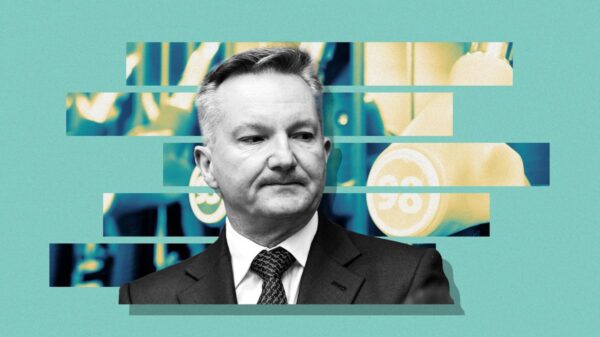
UPDATE: Australia’s Federal Climate Minister, Chris Bowen, has just confirmed there will be no budget cuts to clean energy initiatives, dismissing speculation during Sydney Climate Action Week. Speaking on Monday, Bowen compared potential cuts to clean energy funding to slashing budgets for crucial sectors like health and education.
Bowen’s remarks come ahead of the federal budget announcement in May. “You might as well say there’s going to be no big new funding for hospitals or schools,” he asserted, emphasizing the government’s commitment to clean energy. The minister also addressed concerns over rumored cuts to electric vehicle tax breaks and confirmed that the fringe benefit waiver for EV leases is under review but defended its importance.
During his address, Bowen highlighted the popularity of the home battery scheme, which recently received a budget top-up to enhance its efficiency. “This subsidy is extraordinarily popular,” he stated, countering claims that it would be targeted for cuts.
The event also featured insights from David Hochschild, Chair of the California Energy Commission, who discussed Australia’s potential to emerge as a climate technology hub. Hochschild promoted the AusTestBed initiative, designed to test promising clean energy technologies and attract investment. He noted that California’s similar program had successfully drawn nearly $500 million into the U.S. clean energy sector.
“This trial will ideally receive federal support to expand, allowing startups to obtain crucial data for potential investors,” Hochschild explained. He stressed the importance of providing entrepreneurs with the resources they need to bring innovative ideas to market.
Reflecting on the U.S. clean energy landscape, Hochschild acknowledged the setbacks experienced during the Trump administration, likening it to a “political COVID-19.” He assured attendees that the sector would recover, as it did during the pandemic, emphasizing the urgency to address the rising energy demands of the fast-growing data center industry.
“Solar and batteries are much faster to build than fossil fuel plants,” Hochschild warned, citing the lengthy construction timelines of natural gas power plants in the United States. “You want to build a new plant? That’s seven years,” he stated, underscoring the need for swift investment in renewable energy.
As these developments unfold, the commitment from Australia’s federal government to maintain funding for clean energy initiatives is crucial for both economic growth and environmental sustainability. Observers and stakeholders are encouraged to stay informed as the federal budget approaches, keeping a close eye on how these discussions may influence future investment in clean technologies.
This urgent news underscores the importance of clean energy funding in Australia’s economic strategy and the global push toward sustainable solutions. The dialogue around clean energy is more vital than ever as nations grapple with climate challenges and seek innovative pathways for growth.