



































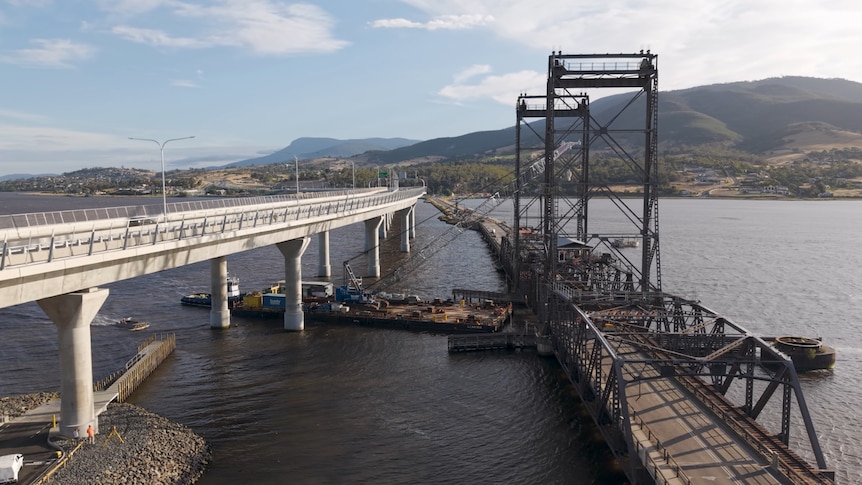
The dismantling of the historic Bridgewater Bridge marks the end of an era for rail connections in southern Tasmania. As construction crews remove the bridge piece by piece, the opportunity for passenger and heritage rail services to reach some of the region’s fastest-growing residential areas is fading.
The removal of the bridge, which has stood for decades, signals a significant change in the transportation landscape of southern Tasmania. Once a vital link for rail services, the bridge’s disassembly has raised concerns among local communities about the future of public transport options.
Local authorities had previously envisioned a revitalization of passenger rail services that would connect the growing suburbs of Bridgewater and surrounding areas. The Tasmanian Government’s plans included proposals to enhance accessibility through rail, addressing the increasing demand for sustainable transport solutions. However, the bridge’s removal has made these plans less feasible.
Community Response and Future Prospects
Residents and local businesses have expressed disappointment over the loss of potential rail connections. Many community members believe that the absence of passenger rail will hinder economic growth and accessibility for those living in the expanding suburbs. “We were really hoping for a revival of the rail system,” said local resident Sarah Thompson. “It would have made commuting much easier and more efficient.”
The government has yet to announce alternative plans to compensate for the loss of rail connectivity. The removal of the bridge raises questions about how the region will handle the increasing traffic and transportation needs as more families move into the area. Without a rail option, many residents are likely to rely on road transport, contributing to congestion and environmental concerns.
The Historical Significance of Bridgewater Bridge
The Bridgewater Bridge has long been a key landmark in the region, serving not just as a transportation route but also as a symbol of the community’s heritage. Established in the mid-20th century, the bridge facilitated not only vehicular traffic but also supported rail services that connected communities across the Derwent River.
As the final pieces of the bridge come down, preservationists are advocating for the recognition of its historical significance. They argue that the dismantling of such a landmark should come with efforts to document its history and the role it played in the region’s development.
The future of transport in southern Tasmania hangs in the balance as the remnants of the Bridgewater Bridge fade from view. Stakeholders are now calling for a comprehensive plan that considers the transportation needs of the growing population while preserving the region’s heritage. The ongoing discussions will determine whether the loss of this important structure will lead to innovative solutions or simply more traffic on the roads ahead.
