



































A former flight attendant stands accused of defrauding multiple airlines to secure hundreds of free flights over a four-year period. Dallas Pokornik, 33, originally from Toronto, allegedly posed as a pilot to exploit employee travel benefits from three major U.S. carriers, according to federal authorities. His arrest took place in Panama, following an indictment on wire fraud charges issued in federal court in Hawaii in October 2023.
Pokornik pleaded not guilty to the charges after being extradited to the United States. His federal public defender has not provided any comments on the case. Court documents reveal that Pokornik worked as a flight attendant for a Toronto-based airline from 2017 to 2019. He is accused of using fraudulent employee identification from that airline to obtain tickets reserved for pilots and flight attendants from three other U.S. airlines.
The indictment does not specify which airlines were affected, but it mentions that they are based in Honolulu, Chicago, and Fort Worth, Texas. A spokesperson for Hawaiian Airlines declined to comment on ongoing litigation, while representatives from United Airlines and American Airlines did not respond to inquiries. Porter Airlines, a Canadian carrier, stated it could not verify any information related to the case, and Air Canada confirmed that there is no record of Pokornik having worked there.
John Cox, a retired pilot and aviation safety expert, expressed surprise at the allegations. He noted that airlines typically have systems in place to verify the employment status of crew members seeking to travel on other airlines. “The only thing I can think of is that they did not show him as no longer employed by the airline,” Cox said. He highlighted that airlines often rely on databases maintained by third-party websites to validate employee status.
In the travel industry, airlines usually offer free or heavily discounted standby seats to their crew members or those of other carriers. This system helps facilitate the movement of staff where they are needed. Employees can also utilize this benefit for immediate family members when flying for leisure.
When traveling for work, crew members typically undergo security checks using a “known crew member” card linked to a database containing their photo. They must also present an employee badge alongside government-issued identification. However, using this process for leisure travel is against regulations, which stipulate that crew members can only purchase discounted standby tickets or request a jump seat.
When it comes to cockpit jump seats, regulations allow only specific individuals to ride there, including licensed pilots and certain government representatives. The captain must approve anyone flying in the cockpit jump seat, which is generally reserved for off-duty pilots. Despite these strict rules, court documents indicate that Pokornik requested to sit in the cockpit’s jump seat. It remains unclear if he ever actually occupied a seat in the cockpit during a flight.
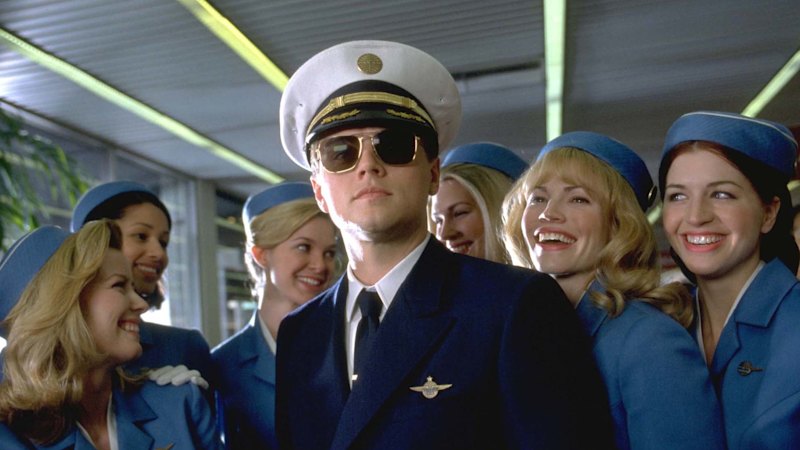
The airline industry has tightened its standards for employee travel benefits following various high-profile fraud cases, including that of Frank Abagnale. His story, detailed in the memoir Catch Me If You Can and later adapted into a film starring Leonardo DiCaprio, highlighted the vulnerabilities in airline travel protocols.
Since the September 2001 terrorist attacks, airlines and the Federal Aviation Administration have implemented additional restrictions governing who can access planes and cockpits. As the case against Pokornik unfolds, it raises questions about the efficacy of current verification processes within the airline industry.
As investigations continue, the case serves as a reminder of potential vulnerabilities in an industry that prioritizes safety and security. The outcome could lead to further scrutiny of airline employee verification processes and travel benefits policies.
