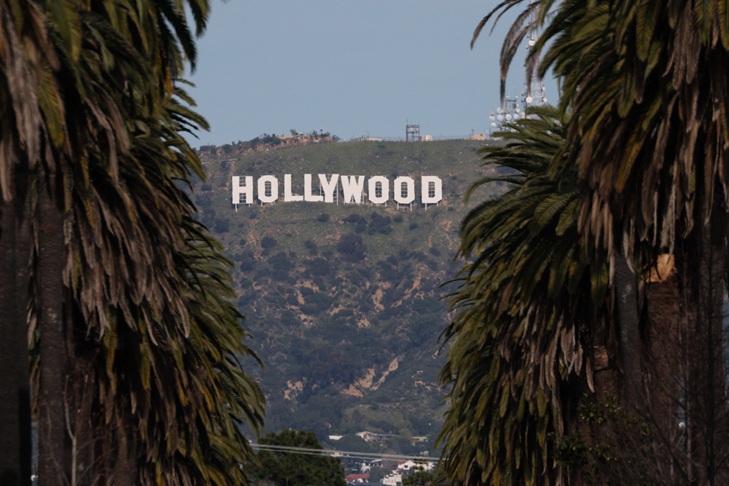
URGENT UPDATE: Hollywood is facing a profound crisis as individual vision and directorial personality rapidly diminish in the film industry. Recent insights reveal that the shift from a creator-driven landscape to a franchise-focused model is reshaping cinema, leaving audiences craving authentic storytelling.
New reports confirm that today’s films are increasingly crafted by corporate entities rather than passionate auteurs. This transformation has sparked a growing concern among filmmakers and critics alike, who argue that the absence of personal expression is leading to lifeless cinema. Music producer Rick Rubin recently stated in an interview that modern movies often feel “lifeless” because they are created by individuals more concerned with commercial success than artistic integrity.
The implications of this shift are significant. With major studios like Disney acquiring other companies, the unique identities of storied film houses like Fox are fading away. Consolidation may create scale, but it often stifles creativity, as corporate interests prioritize predictability over risk. The result? Films that are technically proficient but lack the emotional depth and narrative complexity audiences once expected.
Historically, the classical studio era was characterized by strong personalities at the helm. Studios like MGM and Warner Bros. reflected the distinct sensibilities of their founders. In contrast, today’s directors find themselves confined by the demands of franchise continuity. They are often hired to maintain a certain tone or deliver on expected outcomes, reducing the film’s potential to a mere piece of a larger corporate strategy.
In recent years, a notable exception has emerged. Films like Julian Schnabel’s *At Eternity’s Gate* and Terrence Malick’s *A Hidden Life* demonstrate the enduring importance of personal vision in cinema. These works prioritize depth and introspection over mass appeal, yet they struggle to find commercial success. Their marginalization indicates a disconnect between artistic ambition and industry expectations.
The urgency of this situation cannot be overstated. As audiences adapt to a new standard of rapid-fire entertainment, the landscape of cinema has shifted dramatically. The dominant model emphasizes speed and marketability, which conditions viewers to expect less complexity and greater predictability in storytelling. This change contributes to a growing perception that audiences lack the appetite for deeper narratives.
Yet, the decline of traditional Hollywood does not signify the end of artistic expression. Much like the thriving jazz scene, which continues to push boundaries despite not dominating the mainstream market, independent filmmakers are still creating works that challenge norms and provoke thought. These artists are not constrained by focus groups or corporate expectations; they are driven by passion and the desire to innovate.
The critical question moving forward is whether Hollywood can reclaim its identity. There is hope that the infrastructure and talent still exist to foster a renaissance of personal storytelling in cinema. To regain its essence, the industry must trust in individual voices again, allowing directors to lead with conviction rather than conform to consensus.
As we witness this crucial turning point, the future of Hollywood hangs in the balance. The restoration of artistic vision, risk-taking, and unique personalities is essential for the revival of a once-vibrant art form. Audiences yearn for experiences that resonate on a deeper level, and it is time for studios to remember why films matter.
Stay tuned for more developments on this pressing issue as the conversation continues to evolve.