



































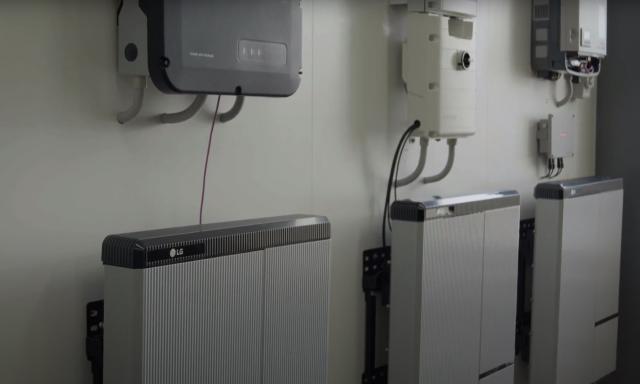
URGENT UPDATE: Home battery installations are surging in Melbourne’s outer suburbs, with over 250,000 households, small businesses, and community organizations jumping on board. The latest figures reveal that the highest uptake is concentrated in the La Trobe federal electorate, particularly in rapidly growing areas such as Clyde, Pakenham, and Officer.
The Albanese Government’s Cheaper Home Batteries program is making waves by offering a discount of approximately 30 percent on the upfront cost of installing small-scale battery systems. Federal Minister for Climate Change and Energy, Chris Bowen, emphasizes the urgency of this trend, stating, “This is what the clean energy transformation looks like when it is working for Australians.” With household energy costs soaring, families are actively seeking solutions to cut their bills.
Participating regions are seeing robust engagement. 1,633 families and local businesses in the La Trobe area are now leveraging energy upgrades that not only save money but also enhance energy efficiency. Lisa Darmanin, Senator for Victoria, pointed out that suburbs like Clyde North, Pakenham, and Officer are leading the charge in home battery installations.
Home batteries enable households to store excess solar energy generated during the day, allowing them to utilize this stored power during the evening peak hours. This reduces reliance on more expensive grid electricity and contributes to overall grid stability, which in turn pressures wholesale prices downward.
The latest statistics illustrate the most active suburbs for home battery installations in Melbourne’s South-East:
– 3978 (Clyde North, Clyde, Cardinia): 437 installations
– 3810 (Pakenham and surrounds): 424 installations
– 3809 (Officer, Officer South): 274 installations
– 3806 (Berwick, Harkaway): 130 installations
– 3807 (Beaconsfield, Guys Hill): 70 installations
– 3984 (Lang Lang and surrounding coastal towns): 63 installations
As energy costs remain a pressing concern for many Australians, the momentum around home battery adoption is critical. Bowen argues that the Labor government’s approach to sustainable energy focuses on providing “cleaner, cheaper, reliable energy for every community,” contrasting sharply with the opposition’s stance.
With this rapid uptake of home battery systems, residents are not just taking steps towards energy independence but are also playing a vital role in the broader clean energy transition. The push for sustainable energy solutions continues to grow, and all eyes are on the suburbs leading this revolution.
Stay tuned for more updates on this developing story as it unfolds. The energy landscape in Australia is changing, and residents are stepping forward to embrace a brighter, more sustainable future.
