



































URGENT UPDATE: Major changes to the HSC framework have just been announced, granting school principals new authority to decide on essential provisions for students with disabilities. This shift aims to rectify longstanding inequities between public and private school students and enhance support for those facing challenges such as ADHD and autism.
As of October 2023, one in six HSC students now apply for provisions ranging from extra time to using computers during exams. However, the system has faced criticism over disparities that have left many students behind, particularly those from lower-income backgrounds. The independent review by Urbis highlighted that the high costs of medical professionals have effectively barred some students from receiving necessary support.
The NSW Education Standards Authority (NESA) has agreed in principle to implement eight recommendations from the review. Starting this year, principals will have the discretion to approve provisions like using a fan, eye drops, or wearing a hat during exams. For other supports, such as rest breaks for anxiety, NESA will work on establishing clear guidelines over the next two years after consulting with education leaders.
In a statement, NESA chief executive Paul Martin emphasized, “The expansion is not because we’re being soft. It’s because more kids need more support, and we have to respond to that.” He acknowledged that while principals will gain more power, it is crucial to ensure that provisions are consistently applied across schools.
Significant changes are also coming to the evidence requirements for students seeking support. NESA is investigating the possibility of eliminating the need for recent documentation of disabilities for students already receiving NDIS funding. This aims to relieve the burden on students and families, making the system less cumbersome.
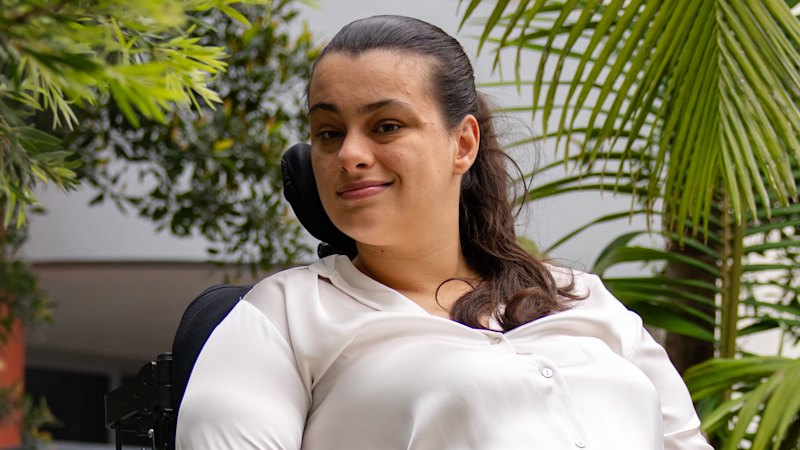
Sophie Geeves, a 2015 graduate from Pittwater High, has long campaigned for a more efficient process after facing challenges to prove her cerebral palsy. “It’s not as simple as writing a report,” she said, reflecting on the extensive documentation required. “I often had to leave school for appointments to validate my condition.”
Echoing her sentiments, Lachlan Woodful, a Year 11 student at Bishop Tyrrell, welcomed the new measures. “This will save families thousands of dollars for specialist reports,” he stated. The changes will also enable more students with physical disabilities to utilize computers equipped with speech-to-text technology, significantly easing the examination process.
His mother, Tina Woodful, expressed relief at the reforms, stating, “Using a scribe made writing exams much more difficult for him than for his siblings.” The family’s decade-long collaboration with the school and medical professionals has prepared them for this positive shift, which allows schools to better tailor provisions to individual needs.
These developments mark a significant step towards equity in the education system, ensuring that all students, regardless of their background, receive the support they require to succeed. As these changes roll out, the education community will closely monitor their impact on student performance and well-being.
Stay tuned for further updates as NESA continues to refine the guidelines and processes surrounding these crucial provisions.
