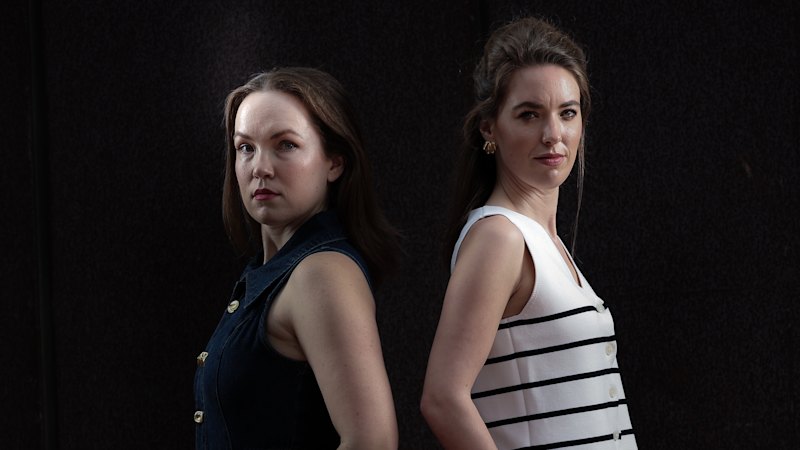
Irish composer Emma O’Halloran is making waves in the world of opera with her latest works, which blend gritty narratives with powerful music. Her innovative approach has not only captivated audiences but has also garnered recognition, earning her a Grammy Award nomination in 2023. This milestone marks a significant achievement in the traditionally conservative genre of opera, pushing boundaries and redefining its contemporary relevance.
O’Halloran’s operas delve into themes that reflect modern-day complexities, including relationships that navigate the murky waters of morality and betrayal. Her latest production, set against a backdrop of a tumultuous affair, presents a narrative that is both raw and compelling. Critics have noted that her work embodies a level of emotional intensity rarely seen on the opera stage, drawing parallels to the psychological depth found in modern drama.
Breaking Boundaries in Opera
O’Halloran’s journey in the music scene began in Dublin, where she studied composition at the prestigious Royal Irish Academy of Music. Her unique voice emerged early, and she quickly gained attention for her bold storytelling and innovative musical style. Following her debut, she has continued to explore complex characters and dark themes, challenging conventional narratives in opera.
In a recent interview with The New York Times, O’Halloran expressed her desire to create operas that resonate with contemporary audiences. She stated, “Opera should reflect the world we live in. It’s a form that can address the most pressing issues of our time.” This philosophy has been evident in her work, as she tackles subjects that resonate with today’s societal struggles.
O’Halloran’s nomination for the Grammy is a testament to her growing influence in the music industry. The award recognizes outstanding achievements in the recording arts and has a reputation for highlighting innovative artists. Being nominated places O’Halloran alongside well-established names, showcasing her as a significant figure in modern opera.
Audience Reception and Future Prospects
The reception of O’Halloran’s work has been overwhelmingly positive, with audiences praising her ability to weave poignant narratives into powerful musical scores. Critics have highlighted her distinctive voice and the emotional depth of her compositions, suggesting that she is leading a new wave of opera that is both accessible and relevant.
Looking ahead, O’Halloran has plans for further projects that continue to break traditional molds. She aims to collaborate with diverse artists and explore new themes that challenge societal norms. As she paves the way for a new generation of composers, her work may very well set the standard for future operatic endeavors.
In conclusion, Emma O’Halloran stands at the forefront of a transformative era in opera. With her Grammy nomination and a commitment to pushing artistic boundaries, she is redefining what it means to create within this storied genre. Her work not only entertains but also provokes thought, inviting audiences to engage with complex issues through the lens of opera.